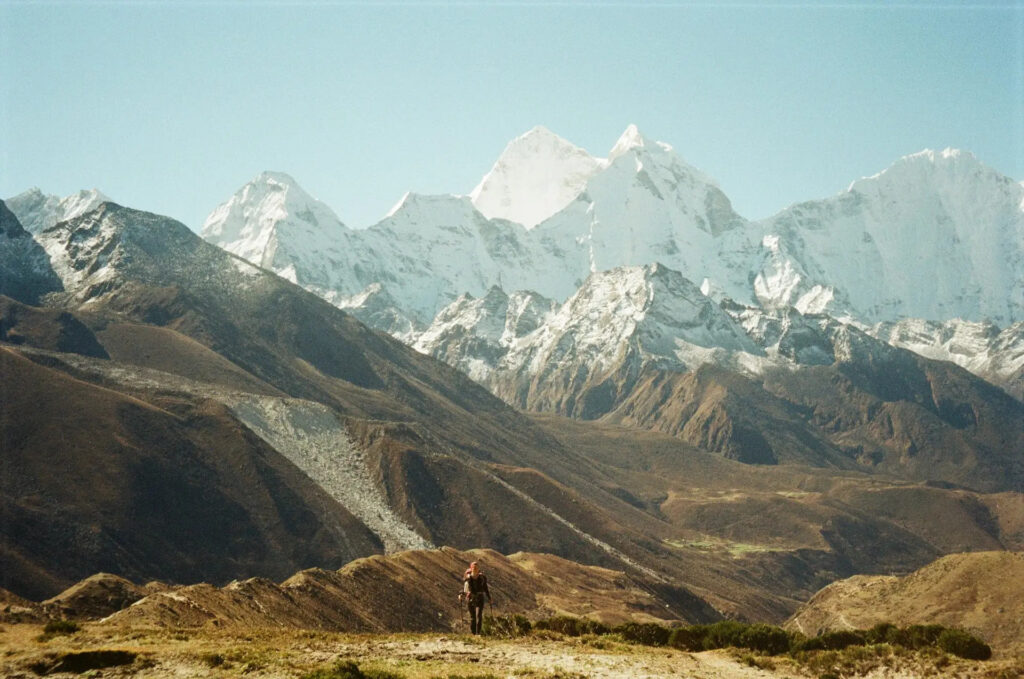
Imagine standing on top of the world, with snow-capped peaks all around you and the crisp mountain air filling your lungs. That’s what a Three Passes Trek Nepal feels like. This trek is one of the most thrilling adventures in the Himalayas, taking you over high mountain passes, through remote villages, and past some of the most breathtaking landscapes on Earth. If you love adventure, nature, and unforgettable experiences, this trek is for you.
What is the Three Passes Trek Nepal?
The Three Passes Trek Nepal is an advanced trekking route in the Everest region. As the name suggests, the trail crosses three major high passes: Kongma La, Cho La, and Renjo La. Each pass offers unique views of the towering Himalayan peaks, including the world-famous Mount Everest, Lhotse, and Makalu.
This trek is perfect for adventurous travelers who want to experience remote villages, high alpine landscapes, and challenging trails. Along the way, trekkers will pass through traditional Sherpa villages, Buddhist monasteries, and forests, making the journey as culturally enriching as it is scenic.
Highlights of the Trek
-
Kongma La Pass (5,535 meters) – The first major pass offers incredible panoramic views of Everest and surrounding peaks. It’s a challenging climb but rewards trekkers with unforgettable scenery.
-
Cho La Pass (5,420 meters) – This pass connects the Gokyo region with the Everest Base Camp trail. Trekkers are treated to stunning glaciers, deep valleys, and turquoise lakes.
-
Renjo La Pass (5,360 meters) – The final pass offers breathtaking views of Gokyo Lake and the surrounding Himalayan peaks. From here, you can see the full majesty of the Everest region in one glance.
Other highlights include the vibrant Sherpa villages, Gokyo Lakes, Sagarmatha National Park, and the chance to experience local festivals and traditions along the way.
Useful Statistics About the Trek
The Three Passes Trek Nepal usually takes 18–21 days for a full circuit. The total trekking distance is about 170–180 kilometers, including all three passes. The highest elevation is 5,535 meters at Kongma La Pass.
Trekkers need a good level of fitness and preparation for altitude. Most trails are well-marked, and guided tours are recommended for safety and local insights. Acclimatization days are built into the itinerary to reduce the risk of altitude sickness.
Best Time to Go
The ideal trekking seasons for the Three Passes Trek Nepal are spring (March–May) and autumn (September–November). During these months, the weather is stable, skies are clear, and mountain views are at their best. Winter can be extremely cold with heavy snow, while summer brings rain and slippery trails.
Tips for a Successful Trek
-
Fitness Preparation: Train with long hikes, stair climbing, and cardio exercises to prepare for high altitude.
-
Packing Essentials: Warm clothing, trekking boots, sunscreen, a good backpack, and a camera for amazing views.
-
Hydration and Altitude: Drink plenty of water and rest frequently to adjust to the thin air.
-
Guides and Porters: Hiring experienced guides and porters can make the trek safer and more enjoyable.
-
Photography: Early mornings offer the best light for capturing stunning Himalayan landscapes.
Why You Should Do the Three Passes Trek
This trek is not just a physical challenge—it’s a journey that transforms your perspective. Standing atop Kongma La, Cho La, or Renjo La, you feel a sense of accomplishment and awe that few other experiences can offer. The combination of challenging trails, breathtaking views, rich culture, and remote villages makes the Three Passes Trek Nepal a once-in-a-lifetime adventure.
Conclusion
The Three Passes Trek Nepal is for travelers seeking the ultimate Himalayan adventure. With high mountain passes, stunning lakes, and vibrant Sherpa villages, every day of the trek offers something new. It tests your strength, rewards your efforts with unparalleled scenery, and leaves memories that last a lifetime.
If you want to experience the thrill of the Himalayas and witness the beauty of Everest and its surrounding peaks, this trek should be at the top of your bucket list. Prepare well, follow safety tips, and get ready for a journey that will change the way you see the world.