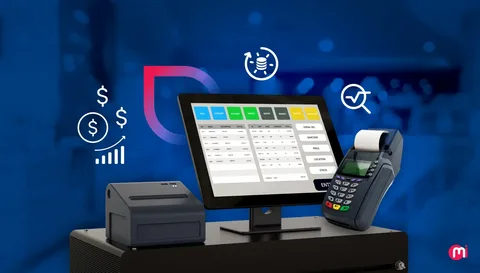
pos Software
How POS Software Is Transforming Business Operations
In today’s competitive business environment, companies need efficient tools to manage sales, inventory, and customer interactions. One of the most important technologies helping businesses achieve this goal is POS software. From small retail shops to large supermarkets, modern point-of-sale systems have become essential for managing daily transactions and improving overall operational efficiency.
POS software is designed to simplify the sales process by combining billing, inventory tracking, and reporting into a single platform. Instead of relying on manual records or outdated systems, businesses can use digital tools that provide accurate information and faster service. As customer expectations continue to grow, companies must adopt smarter solutions that help them stay organized and competitive.
Understanding POS Software
POS software is a digital system that processes sales transactions and records business data. It works with hardware such as barcode scanners, receipt printers, and payment terminals to complete purchases quickly and accurately. When a customer buys a product, the software calculates the total price, applies taxes or discounts, and records the transaction in the system. Unlike traditional cash registers, modern POS software offers many advanced capabilities. It can track inventory levels, manage employee activity, and generate sales reports in real time. These features allow business owners to monitor performance and make informed decisions about their operations.
Key Features That Make POS Software Valuable
Businesses adopt POS software because it provides a wide range of practical features that support daily operations. These features help improve accuracy, save time, and reduce manual work.
Efficient Sales Processing
One of the main functions of POS software is to handle transactions quickly. By scanning product barcodes or selecting items from a digital catalog, staff can complete sales in seconds. This reduces waiting time for customers and improves the overall shopping experience.
Inventory Management
Inventory control is essential for retail and service businesses. POS software automatically updates stock levels whenever a product is sold. This prevents errors and helps managers know exactly when to restock items. Accurate inventory tracking also reduces the risk of overstocking or running out of popular products.
Sales Reporting and Analytics
Modern POS systems provide detailed reports that help business owners understand sales trends. Reports may include daily revenue, top-selling products, and peak business hours. With this information, companies can adjust pricing strategies, plan promotions, and improve their product selection.
Customer Management
Some POS software solutions include customer relationship tools. These tools store purchase histories, contact details, and loyalty program data. Businesses can use this information to create personalized promotions and improve customer engagement.
Multi-Device and Cloud Access
Many POS systems now operate on cloud-based platforms. This allows business owners to access sales data from multiple devices, including laptops, tablets, and smartphones. Remote access makes it easier to monitor operations even when the owner is not physically present at the store.
Benefits of Using POS Software in Businesses
Adopting POS software provides numerous advantages that improve both productivity and customer satisfaction. Companies that invest in modern point-of-sale systems often experience smoother operations and better financial control.
Improved Accuracy
Manual calculations and handwritten records can easily lead to errors. POS software automates calculations and records transactions instantly, reducing mistakes and ensuring reliable data.
Faster Customer Service
Quick checkout processes make a significant difference in busy retail environments. POS systems allow staff to process payments quickly while printing receipts on thermal paper, reducing queues and improving customer satisfaction.
Better Business Insights
Data generated by POS software helps business owners understand how their company is performing. By analyzing sales patterns and product demand, managers can make strategic decisions that support growth.
Cost Control
Inventory tracking and automated reporting help businesses identify waste, losses, or slow-moving products. With better visibility into operations, companies can control expenses and improve profitability.
Industries That Rely on POS Software
POS software is widely used across various industries because it adapts to different operational needs. Retail stores depend on POS systems to manage product sales, stock levels, and customer transactions. Restaurants and cafes use POS software to handle orders, manage menus, and coordinate kitchen operations. Supermarkets rely on advanced systems to process large numbers of transactions quickly. Service-based businesses such as salons, repair centers, and rental services also benefit from POS platforms. These systems help schedule appointments, manage payments, and maintain customer records.
Choosing the Right POS Software
Selecting the right POS software requires careful evaluation of business requirements. Companies should consider several factors before making a decision. First, the software should be easy to use for both managers and employees. A complicated system can slow down operations instead of improving them. Second, compatibility with existing hardware such as receipt printers and barcode scanners is important. Businesses should also review security features. A reliable POS system should protect financial data and customer information through secure payment processing. Finally, scalability is important for growing businesses. A flexible POS platform should be able to support additional stores, employees, or products as the company expands.
The Future of POS Technology
Technology continues to reshape the way businesses manage sales and customer interactions. POS software is evolving to include artificial intelligence, mobile payment integration, and advanced analytics. These improvements allow businesses to operate more efficiently while offering better service to customers. Mobile POS systems are becoming increasingly popular, enabling staff to process payments directly on tablets or smartphones. Contactless payment options and digital receipts are also becoming standard features in modern systems. As businesses continue to adapt to digital transformation, POS software will remain a key component of efficient retail and service operations.
Conclusion
POS software has become an essential tool for businesses that want to improve efficiency, accuracy, and customer satisfaction. By integrating sales processing, inventory management, and reporting into a single platform, it simplifies daily operations and provides valuable insights for business growth.
For more articles or blogs visit here