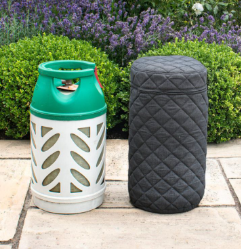
Patio gas bottles are widely used for outdoor cooking, patio heaters, and barbecues. They provide a convenient and portable fuel source, making outdoor gatherings more enjoyable. However, because these bottles contain highly pressurized gas, they must be handled, stored, and used carefully. Understanding patio gas bottle regulations and safety rules is essential for preventing accidents, ensuring proper usage, and protecting your home and family.
In this article, we will discuss important regulations, storage rules, handling guidelines, and safety practices you should know when using patio gas bottles.
What Is a Patio Gas Bottle?
A patio gas bottle is a container filled with liquefied petroleum gas (LPG), commonly propane or butane. These gases are compressed and stored in cylinders designed to safely hold them under pressure. Patio gas bottles are commonly used for:- Gas barbecues
- Patio heaters
- Outdoor cooking equipment
- Camping stoves
- Portable heaters
Why Patio Gas Bottle Safety Is Important
Gas cylinders may look simple, but they can become dangerous if misused. Improper handling or storage can lead to gas leaks, fires, explosions, or carbon monoxide poisoning. Following safety regulations helps to:- Prevent gas leaks
- Avoid fire hazards
- Protect people and property
- Ensure proper ventilation
- Extend the lifespan of gas equipment
Patio Gas Bottle Regulations You Should Know
Regulations regarding patio gas bottles are designed to reduce hazards and promote safe handling. Although rules may vary slightly depending on your country, many safety principles remain the same worldwide.1. Approved Gas Cylinders Only
Always use certified and approved gas cylinders. Approved bottles are manufactured to strict safety standards and undergo regular testing to ensure they can safely contain pressurized gas. Using unauthorized or damaged cylinders can increase the risk of leaks or explosions. Always check that the bottle has proper labeling, safety markings, and certification stamps.2. Regular Cylinder Inspection
Gas bottles should be inspected regularly to ensure they remain safe to use. Before connecting a bottle, check for:- Rust or corrosion
- Dents or structural damage
- Gas smell around the valve
- Loose or broken fittings
3. Proper Valve and Regulator Use
Every patio gas bottle must be connected with a compatible regulator and valve system. The regulator controls gas pressure flowing from the bottle to your appliance. Using the wrong regulator can cause excessive gas flow or poor performance. Always make sure:- The regulator matches the gas type (propane or butane)
- The hose is in good condition
- All connections are tightly secured
4. Safe Transportation Rules
Transporting patio gas bottles requires careful attention to safety guidelines. Important transportation rules include:- Always transport cylinders in an upright position
- Secure the bottle to prevent rolling or movement
- Never leave gas cylinders in a hot vehicle for long periods
- Ensure good ventilation during transport
Patio Gas Bottle Storage Rules
Proper storage is one of the most important aspects of patio gas bottle safety. Incorrect storage can lead to gas leaks or fire hazards.1. Store Bottles Outdoors
Gas cylinders should always be stored outdoors in a well-ventilated area. Never store them inside living spaces, basements, or enclosed areas. LPG gas is heavier than air. If a leak occurs indoors, the gas can accumulate near the floor and create a serious explosion risk.2. Keep Bottles Upright
Patio gas bottles must always be stored upright. This ensures the safety valve works correctly and prevents liquid gas from escaping. Laying cylinders on their side can cause gas leaks or improper pressure release.3. Avoid Heat Sources
Keep gas bottles away from heat sources such as:- Direct sunlight
- Open flames
- Heaters
- Electrical equipment
4. Store in a Dry and Secure Location
Gas bottles should be stored in a dry, shaded, and secure place. This prevents corrosion and reduces the chance of accidental damage. Also ensure that:- The storage area is well ventilated
- Children cannot access the cylinders
- Bottles cannot fall or tip over
Safe Usage Guidelines for Patio Gas Bottles
Following correct usage procedures ensures your gas appliances operate safely and efficiently.1. Check for Gas Leaks
Before using a patio gas bottle, check for leaks. A simple way to detect leaks is by using a soap and water solution. Apply the solution around the valve and hose connection. If bubbles form, it indicates a gas leak. If you detect a leak:- Turn off the gas immediately
- Do not light any flames
- Move away from the area
- Contact your gas supplier
2. Use Gas Bottles Only With Compatible Appliances
Always use gas cylinders with appliances designed for the specific gas type. For example:- Propane bottles should be used with propane-compatible appliances
- Butane cylinders should only be used with butane equipment
3. Maintain Proper Ventilation
Outdoor gas appliances must always be used in well-ventilated spaces. Never use patio heaters or gas barbecues indoors or in enclosed areas. Poor ventilation can lead to carbon monoxide buildup, which is extremely dangerous and potentially fatal.4. Turn Off Gas After Use
Always close the gas valve on the bottle after finishing your cooking or heating session. This prevents accidental leaks and ensures the appliance remains safe when not in use. Turning off the valve also helps extend the life of the regulator and hose.Common Mistakes to Avoid
Many accidents involving patio gas bottles happen because of simple mistakes. Avoiding these errors can greatly improve safety. Common mistakes include:- Storing gas bottles indoors
- Using damaged hoses or regulators
- Leaving cylinders near open flames
- Ignoring signs of gas leaks
- Using old or expired cylinders
How to Handle Gas Emergencies
Even when following safety rules, emergencies can occasionally happen. Knowing how to react quickly can prevent serious damage.If You Smell Gas
If you detect a gas smell:- Turn off the gas supply immediately.
- Avoid lighting matches or using electrical switches.
- Move away from the area.
- Ventilate the space if possible.
- Contact a professional or gas supplier.
If a Fire Occurs
In the event of a fire:- Keep a safe distance from the gas bottle
- Do not attempt to move a burning cylinder
- Call emergency services immediately
Maintenance Tips for Long-Term Safety
Maintaining your patio gas equipment helps ensure safe operation for many years. Helpful maintenance tips include:- Replace hoses every few years
- Inspect regulators regularly
- Keep cylinders clean and rust-free
- Avoid dropping or damaging bottles
- Schedule professional checks if needed
