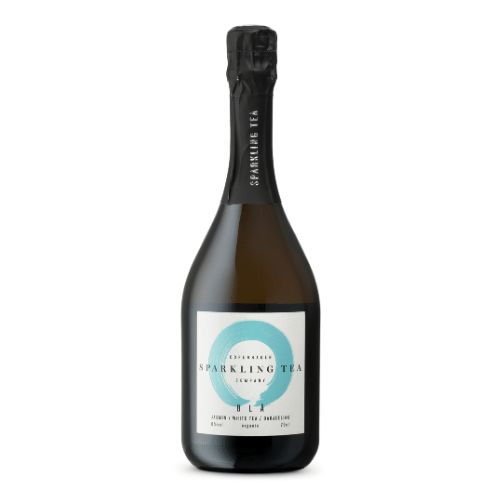
The beverage industry has witnessed a dramatic shift in consumer preferences. Traditional sugary sodas and energy drinks, once dominant on store shelves, are now being challenged by a new wave of innovative, health-conscious beverages: calorie-free sparkling drinks.
These effervescent sips have become emblematic of a broader lifestyle movement that prioritizes wellness, hydration, and mindful consumption without compromising flavor.
A Changing Consumer Landscape
The rise of sparkling zero drinks is closely tied to changing consumer behaviors. Health awareness has skyrocketed, fueled by growing concerns about obesity, diabetes, and heart disease. According to the Centers for Disease Control and Prevention (CDC), nearly 42% of U.S. adults were classified as obese in 2020, a figure that has steadily increased over the decades. With such statistics in mind, many consumers are reevaluating their beverage choices.
Moreover, millennials and Gen Z are leading the charge. These generations are not only more health-conscious but also more demanding of authenticity and transparency from brands. They seek beverages that align with their wellness goals while offering enjoyable taste experiences. Traditional soda, with its high sugar content and artificial additives, often fails to meet these expectations, paving the way for calorie-free sparkling alternatives.
The Appeal of Zero-Calorie Sparkle
Sparkling zero drinks are designed to deliver the joy of carbonation without the nutritional guilt associated with sugar-laden sodas. They appeal to a range of consumers, from fitness enthusiasts to casual soda drinkers seeking a lighter option. The fizzy sensation provides an instant sense of refreshment, while the absence of calories aligns with dietary and wellness goals.
Flavored sparkling waters, in particular, have seen remarkable popularity. Brands have experimented with everything from citrus blends to exotic fruits, herbal infusions, and even botanical extracts. This variety allows consumers to enjoy diverse flavor profiles without compromising their health objectives. It is no longer simply about “water with bubbles”; it’s about an experience that engages the senses while promoting mindful consumption.
Innovation in Flavor and Functionality
One of the reasons sparkling zero drinks have surged in popularity is the innovation behind their flavors and functional ingredients. Manufacturers are no longer limited to simple fruit flavors. Many are incorporating adaptogens, electrolytes, and vitamins into their sparkling waters, appealing to consumers who want both taste and functional benefits.
For instance, beverages infused with electrolytes cater to hydration needs after workouts, while those containing herbal extracts like chamomile or ginseng provide calming or energizing effects. This functional approach transforms a simple fizzy drink into a health-oriented lifestyle product, further broadening its market appeal.
The Role of Marketing and Lifestyle Positioning
Marketing has played a critical role in the rise of calorie-free sparkling beverages. Brands position these drinks as symbols of a modern, active, and health-conscious lifestyle. Sleek packaging, influencer endorsements, and social media campaigns emphasize their association with wellness, sustainability, and trendiness.
The aesthetics of the product matter just as much as its contents. Minimalist design, bold colors, and eye-catching typography appeal to younger consumers who value visual identity and social media shareability. As a result, sparkling zero drinks are often seen not just as beverages but as lifestyle statements—refreshing, chic, and socially conscious.
Environmental Considerations
Sustainability also factors into the appeal of these drinks. Many brands have embraced recyclable aluminum cans or glass bottles, reducing reliance on plastic. Consumers increasingly value eco-friendly packaging, making it a decisive factor in purchasing decisions. The combination of health benefits and environmental responsibility positions calorie-free sparkling drinks as a win-win for both consumers and the planet.
The Competitive Landscape
The beverage market is fiercely competitive, and traditional soda giants are taking notice. Companies like Coca-Cola and Pepsi have expanded their portfolios to include sparkling waters and flavored zero-calorie options. Meanwhile, startups like LaCroix, Spindrift, and Bubly have leveraged their niche appeal to capture a devoted following among younger demographics.
Innovation is key in this market. Brands are experimenting with bold flavors, limited-edition releases, and collaborations with celebrities or wellness influencers. The goal is not just to quench thirst but to create a buzz—both literally and figuratively. Consumers are drawn to novelty, and brands that can consistently surprise and delight are thriving.
Health Considerations and Challenges
Despite their popularity, sparkling zero beverages are not without debate. Some critics argue that artificial sweeteners, often used to replace sugar, may have long-term health implications, although regulatory agencies like the FDA have deemed approved sweeteners safe for consumption. Others question whether the sensory experience of sweet-tasting beverages, even without calories, might perpetuate cravings for sugar.
Nevertheless, many consumers perceive these drinks as a better alternative to sugary sodas, particularly when paired with a balanced diet and active lifestyle. Education around moderation, ingredient transparency, and mindful consumption is becoming an integral part of how these beverages are marketed.
Global Influence and Cultural Trends
The trend toward calorie-free sparkling drinks is not limited to the United States. International markets, particularly in Europe and Asia, have embraced the concept, albeit with regional flavor preferences. In Japan, for example, sparkling beverages infused with green tea or yuzu are popular, while in Europe, subtle fruit and botanical blends dominate. This global interest underscores a wider cultural shift toward mindful hydration and wellness-oriented lifestyles.
Social media plays a significant role in spreading these trends. Platforms like Instagram and TikTok allow brands to showcase their beverages as part of a visually appealing, aspirational lifestyle. The virality of creative content has accelerated the adoption of sparkling waters, making them a culturally relevant beverage choice among younger consumers worldwide.
Looking Ahead: The Future of Sparkling Wellness
As consumer preferences evolve, the market for sparkling zero drinks is likely to expand further. Trends such as functional beverages, sustainability, and wellness-focused innovations will continue to shape product offerings. Expect to see more integration of probiotics, adaptogens, and other functional ingredients designed to support both physical and mental well-being.
Moreover, the line between beverages and lifestyle products will blur even further. Calorie-free sparkling drinks are not just about hydration—they represent an ethos of conscious consumption, health prioritization, and social responsibility. This evolution positions them as a long-term staple in the beverage industry rather than a fad.
Conclusion
The rise of sparkling zero-sips reflects a broader cultural and consumer shift toward health, wellness, and mindful living. With innovative flavors, functional ingredients, and compelling marketing, these beverages have redefined what it means to enjoy a fizzy drink. They cater to a generation that values both taste and wellness, making them a formidable competitor to traditional sugary sodas.
As the market continues to grow, brands that can combine flavor innovation, health benefits, sustainability, and lifestyle appeal will dominate the landscape. Calorie-free sparkling drinks are more than just bubbles in a can—they are a reflection of modern values, aspirations, and the ongoing quest for balance in a health-conscious world.