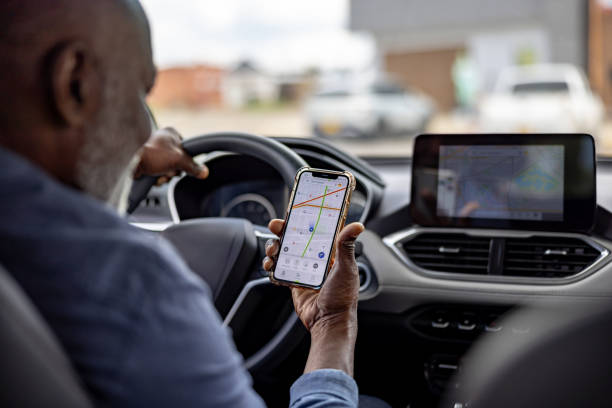
Rear view of a senior man using a navigation app while driving his car - transportation concepts
The ride-hailing industry is constantly expanding and evolving, creating a need for sophisticated apps that prioritize efficiency, safety, and convenience. Developing a ride-hailing app in 2026 requires careful consideration of the features that matter most to passengers, drivers, and operators. By focusing on these key elements, you can drive higher engagement, encourage repeat usage, and establish a strong presence in the market.
User Registration and Profile Management
A smooth onboarding process sets the tone for a positive user experience. Passengers should be able to sign up quickly using their email, phone number, or social media accounts. App developers should integrate multi-factor authentication to improve security.
Profile management must allow users to update personal information, payment details, and ride preferences. Drivers need dedicated profiles displaying ratings, trip history, and vehicle details. Providing both passengers and drivers with clear profile dashboards creates transparency and trust.
Quick and Safe Login
Implementing biometric login methods, such as fingerprint or face recognition, speeds up the login process. These features reduce friction and improve security. Passengers and drivers can access the app quickly, without compromising safety.
Document Verification for Drivers
Driver verification is crucial for safety and credibility. The app should allow drivers to upload documents, such as licenses, insurance, and vehicle registration. Automated verification using AI can shorten approval time and reduce errors.
Ride Booking and Scheduling
The core of any ride-hailing app is the ability to book rides efficiently. Passengers should choose from multiple ride options, including standard, premium, and shared rides. Using an uber clone app development solution can help developers implement these features quickly, offering a ready-made framework to launch a competitive ride-hailing platform.
Real-Time Ride Matching
Advanced algorithms can connect passengers to the nearest available driver in real time. This reduces wait time and improves operational efficiency. Users can see driver details, estimated arrival time, and the route on the map before confirming the ride.
Ride Scheduling in Advance
Allowing users to schedule rides in advance adds convenience. Passengers can book rides for airport transfers, business meetings, or planned events. Push notifications remind users about upcoming rides and keep the experience smooth.
In-App Navigation and Tracking
Navigation features enhance user experience for both drivers and passengers. Integrating reliable GPS services ensures accurate pickup and drop-off locations.
Live Location Sharing
Passengers can share their live location with family or friends for safety. This feature provides peace of mind, especially for late-night rides.
Turn-by-Turn Navigation for Drivers
Drivers benefit from integrated navigation with traffic updates, suggested routes, and alternative paths. Real-time navigation reduces delays and ensures timely arrivals.
Payment Integration
A modern ride-hailing app must support multiple payment options.
Multiple Payment Methods
Passengers should pay using credit/debit cards, digital wallets, UPI, or cash. Supporting a variety of payment methods improves accessibility and convenience.
In-App Wallet
An in-app wallet allows users to store funds for quick transactions. Drivers can also receive earnings directly into their wallet. This reduces dependence on external banking services and speeds up payments.
Automated Billing and Receipts
The app should generate digital receipts automatically after each ride. Passengers and drivers can track payments, maintain records, and resolve disputes efficiently.
Ratings and Reviews
Ratings and reviews influence trust and quality in a ride-hailing platform.
Passenger Feedback
After each ride, passengers can rate drivers and leave feedback. This motivates drivers to maintain high service standards and helps operators identify performance issues.
Driver Feedback
Drivers can rate passengers as well. Tracking both passenger and driver ratings encourages responsible behavior and maintains a safe environment for everyone.
Safety Features
Safety remains a top priority in ride-hailing apps.
SOS Button
An emergency button allows passengers and drivers to alert authorities or app support instantly. This feature can reduce response time in critical situations.
Ride History and Route Sharing
Maintaining ride history allows users to track past trips. Route sharing lets passengers inform family or friends about their journey in real time. These features increase accountability and security.
Notifications and Alerts
Push notifications and alerts improve communication and engagement.
Ride Updates
Passengers should receive notifications about ride confirmations, driver arrival, and trip completion. These updates reduce uncertainty and improve the user experience.
Promotions and Offers
Offering in-app promotions and discounts attracts new users and keeps existing ones active. Timely notifications about offers increase app usage and customer loyalty.
Admin Panel Features
The admin panel helps operators manage drivers, passengers, and overall operations effectively.
Driver Management
Admins can monitor driver activity, verify documents, and track earnings. Proper management ensures consistent service quality.
Analytics and Reporting
Advanced analytics tools provide insights into app usage, peak hours, and revenue trends. Operators can make data-driven decisions to improve performance and reduce downtime.
Customer Support
Admin panels should allow operators to manage complaints and respond to queries quickly. Efficient support increases user satisfaction and trust.
Also Read: Creating an Uber-Style App: A Step-by-Step Blueprint
Advanced Features for 2026
Ride-hailing apps must include modern features to stay competitive.
AI-Powered Route Optimization
AI algorithms can predict traffic patterns and suggest the fastest routes. This reduces travel time and improves efficiency for both drivers and passengers.
Multi-Language Support
Supporting multiple languages ensures accessibility for a wider audience. Users can select their preferred language for a smoother experience.
Subscription Plans
Subscription plans offer benefits like discounted rides or priority booking. This feature increases revenue and encourages customer retention.
Conclusion
Building a ride-hailing app in 2026 requires more than just basic ride booking. Developers must focus on security, convenience, and efficiency while integrating modern technology. From real-time tracking to AI route optimization, each feature adds value for passengers, drivers, and operators. By prioritizing these essential features, ride-hailing apps can thrive in a competitive market, deliver high-quality service, and achieve long-term success.