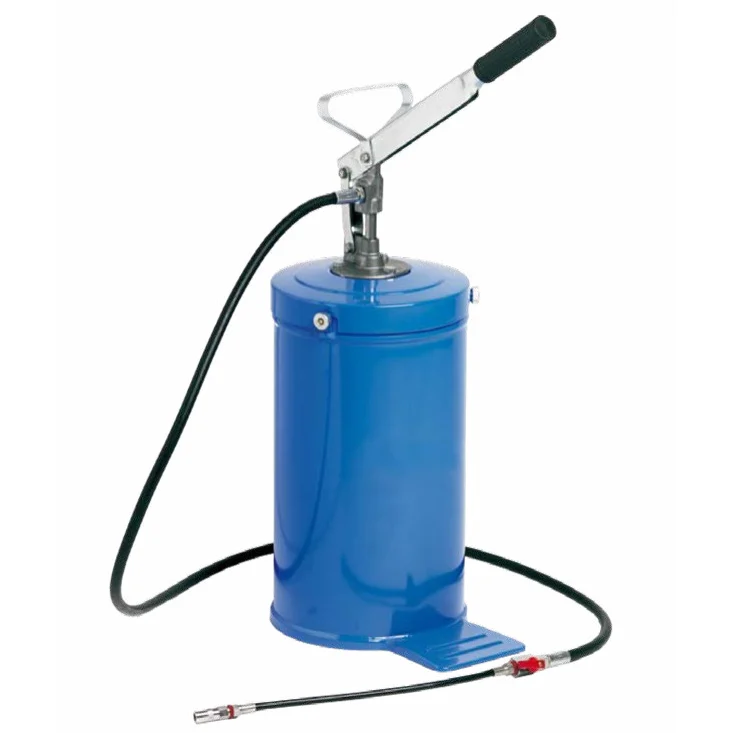
Grease Pump
Proper lubrication is crucial for maintaining machinery, vehicles, and industrial equipment. Without it, friction, wear, and overheating can drastically reduce the lifespan and efficiency of moving parts. One of the most effective tools for delivering grease in a controlled and efficient manner is the grease pump. This device plays a vital role in workshops, factories, automotive garages, and industrial facilities, ensuring that machinery runs smoothly and reliably.
What is a Grease Pump?
A grease pump is a mechanical device used to dispense lubricating grease to machinery, automotive parts, or industrial equipment. It ensures that the right amount of grease reaches the required components, reducing friction and extending the life of the equipment.
Grease pumps can handle a wide range of viscosities, from semi-fluid grease to thicker lubricants, and are designed for precision, durability, and efficiency. They are used in various industries, including automotive, construction, manufacturing, mining, and agriculture.
How a Grease Pump Works
Grease pumps work by creating pressure that forces grease through a delivery hose or pipe to the lubrication point. Depending on the type, a grease pump may be operated manually, electrically, or pneumatically.
The basic operation involves:
-
Reservoir: Stores grease in a container or tank.
-
Pump Mechanism: Pushes grease from the reservoir through the hose.
-
Delivery Hose/Nozzle: Directs the grease precisely to the machinery or equipment component.
-
Control Valve: Regulates the flow, ensuring the right amount of grease is applied.
By automating the delivery of grease, these pumps prevent over-lubrication, minimize wastage, and improve maintenance efficiency.
Types of Grease Pumps
There are several types of grease pumps, each suitable for different applications and operational scales:
1. Manual Grease Pumps
Manual grease pumps are operated by hand, typically using a lever or plunger mechanism. They are ideal for small workshops or applications where electricity or compressed air is unavailable. These pumps are simple, reliable, and cost-effective, though they require physical effort to operate.
2. Electric Grease Pumps
Electric grease pumps are powered by an electric motor. They provide consistent pressure and continuous grease delivery, making them suitable for high-volume operations. These pumps are widely used in automotive garages, manufacturing plants, and service centers.
3. Pneumatic Grease Pumps
Pneumatic, or air-powered grease pumps, use compressed air to deliver grease. They are efficient and reduce manual labor, making them suitable for large-scale industrial operations where multiple lubrication points need frequent servicing.
4. Battery-Powered Grease Pumps
Battery-powered grease pumps offer portability and flexibility, especially for field operations such as construction sites, mining areas, or agricultural machinery maintenance. These pumps provide consistent flow without being tethered to an electrical outlet.
5. High-Pressure Grease Pumps
High-pressure grease pumps are designed for heavy-duty industrial applications, where machinery requires precise lubrication at high pressures. They are often used in mining, shipping, or manufacturing sectors where reliability is critical.
Applications of Grease Pumps
Grease pumps have diverse applications across different industries:
1. Automotive Industry
Grease pumps are widely used in vehicle maintenance, including cars, trucks, and motorcycles. They lubricate wheel bearings, chassis, joints, and other components that are essential for smooth operation. Efficient lubrication reduces wear, prevents corrosion, and enhances overall vehicle performance.
2. Construction Equipment
Heavy construction machinery, such as excavators, loaders, and cranes, rely on regular lubrication to function efficiently. Grease pumps help maintain hydraulic systems, joints, and bearings, ensuring minimal downtime and optimal performance.
3. Industrial Machinery
Manufacturing plants and factories use grease pumps to maintain machinery such as conveyors, presses, and CNC machines. Regular lubrication ensures consistent production quality and reduces costly breakdowns.
4. Agricultural Equipment
Farming equipment such as tractors, harvesters, and irrigation systems require frequent lubrication. Grease pumps make it easier to reach remote lubrication points, improving efficiency and reducing manual effort.
5. Marine and Shipping
Ships and marine equipment operate in harsh conditions where corrosion and friction are significant concerns. Grease pumps help maintain engines, winches, and other moving parts, ensuring long-lasting performance in challenging environments.
Advantages of Using a Grease Pump
Investing in a high-quality grease pump provides numerous benefits:
-
Efficiency: Reduces time and effort required for manual lubrication.
-
Precision: Delivers the exact amount of grease to each component, preventing over-lubrication or under-lubrication.
-
Safety: Minimizes human contact with grease, reducing slip hazards and contamination risks.
-
Durability: Protects machinery from wear and tear, extending equipment lifespan.
-
Cost-Effective: Prevents excessive grease use, reducing maintenance costs over time.
-
Versatility: Can be used for different types of grease and various machinery sizes.
Key Features to Consider When Choosing a Grease Pump
Selecting the right grease pump is essential for efficiency, safety, and longevity. Here are the key factors to consider:
1. Flow Rate
The flow rate determines how quickly grease is dispensed. Choose a pump with an appropriate flow rate for the number of lubrication points and frequency of use.
2. Pressure Capacity
High-pressure pumps are necessary for machinery with tight or difficult-to-reach lubrication points. Ensure the pump’s pressure rating matches the application requirements.
3. Hose Length and Nozzle Type
Long hoses and specialized nozzles allow for easier access to remote or confined lubrication points. This is especially important in industrial and automotive applications.
4. Power Source
Decide between manual, electric, pneumatic, or battery-powered pumps based on operational needs, available resources, and portability requirements.
5. Durability and Material Quality
The pump should be made of high-quality, corrosion-resistant materials that can withstand grease viscosity, temperature variations, and heavy usage.
6. Maintenance and Serviceability
Choose a grease pump that is easy to maintain, with replaceable parts and accessible components for cleaning, lubrication, and repair.
Maintenance Tips for Grease Pumps
Regular maintenance ensures that grease pumps remain efficient and reliable. Essential maintenance practices include:
-
Cleaning: Wipe the exterior and nozzle after each use to prevent grease buildup.
-
Inspection: Regularly check hoses, seals, and connections for wear, leaks, or damage.
-
Lubrication: Some pumps require periodic lubrication of moving parts to maintain smooth operation.
-
Storage: Store the pump in a clean, dry area to prevent contamination and corrosion.
-
Replacement: Replace worn or damaged components promptly to avoid malfunction.
Conclusion
A grease pump is an indispensable tool for efficient, precise, and safe lubrication across multiple industries. From automotive garages to heavy industrial facilities, these pumps simplify maintenance, reduce downtime, and enhance equipment longevity.
Whether it’s a manual pump for a small workshop, a battery-powered pump for field operations, or a high-pressure industrial pump, selecting the right type ensures smooth and reliable lubrication. Proper maintenance, careful handling, and regular inspection further enhance the pump’s performance and lifespan.
By integrating a grease pump into maintenance routines, businesses and individuals can achieve improved operational efficiency, reduced equipment wear, and a safer working environment. It’s a practical investment that delivers long-term benefits, keeping machinery running optimally while minimizing costs and maintenance challenges.