The first time I saw mera peak, my heart raced. The mountain stood tall, bright, and inviting under the clear Himalayan sky. I knew right away this was not just another trek — it was a true adventure. If you dream of standing on a high Himalayan summit without extreme technical climbing, Mera Peak is one of the best choices in Nepal.
I have guided many travelers on this journey over the years. Each trip brings new stories, new smiles, and new lessons. In this guide, I will share simple and useful tips to help you prepare, stay safe, and reach the summit with confidence.
Why Choose Mera Peak Climbing?
Mera Peak is often called the highest trekking peak in Nepal. It is perfect for beginners who want their first real mountaineering experience. The climb is not very technical, but it still gives you the thrill of using crampons, ropes, and an ice axe.
What makes this climb special is the view from the top. On a clear day, you can see five of the world’s highest mountains, including Everest. The trail also passes through quiet forests, remote villages, and beautiful high valleys.
If you want a big Himalayan adventure that is still achievable with good preparation, this climb is a smart choice.
Key Trekking Statistics
Here are the basic numbers you should know before planning your trip:
-
Average trip length: 16–20 days
-
Total trekking distance: about 125–135 km (round trip)
-
Maximum elevation: 6,476 meters (21,247 ft) at the summit
-
Best seasons: Spring (March–May) and Autumn (September–November)
-
Difficulty level: Moderate to challenging
These numbers may look big, but with proper pacing and acclimatization, many fit trekkers complete the climb successfully.
Best Time to Climb
Timing matters a lot in the Himalayas. The weather can change fast, and clear views are never guaranteed.
Spring is one of my favorite seasons. The skies are usually stable, and the trails feel lively. You will also see rhododendron forests in bloom at lower elevations.
Autumn is another excellent window. After the monsoon, the air becomes clean and the mountain views are very sharp. Days are usually dry and comfortable for walking.
Winter is very cold, and the monsoon season brings too much rain and cloud, so most climbers avoid those times.
How Difficult Is Mera Peak?
Let me be honest — Mera Peak is not easy, but it is achievable.
The biggest challenge is altitude, not technical climbing. You will walk for many days above 4,000 meters. The air gets thin, and your body must adjust slowly.
The summit day is long. You usually start around 2–3 AM. The climb involves walking on snow and glacier terrain using basic mountaineering gear.
You do not need advanced climbing skills, but you do need:
-
Good physical fitness
-
Strong mental focus
-
Proper acclimatization
-
Guidance from experienced staff
With these in place, many first-time climbers succeed.
Essential Preparation Tips
Build Your Fitness Early
Start training at least 2–3 months before your trip. Focus on:
-
Long walks or hikes
-
Stair climbing
-
Light strength training
-
Cardio workouts
Try to walk with a backpack to simulate trekking conditions.
Practice at Altitude if Possible
If you can do shorter treks in Nepal before Mera Peak, it helps your body adjust. Even moderate hikes improve your confidence.
Learn Basic Gear Use
Before summit day, your guide will teach you how to use:
-
Crampons
-
Ice axe
-
Harness
-
Fixed rope
Pay close attention during training. It makes a big difference on summit morning.
Packing the Right Gear
Packing smart makes the journey much smoother. Here are key items you should not miss:
Clothing
-
Warm down jacket
-
Thermal base layers
-
Waterproof outer shell
-
Good trekking pants
-
Warm gloves and hat
Footwear
-
Strong trekking boots
-
Mountaineering boots (for summit)
-
Warm socks
Gear
-
Sleeping bag (-20°C recommended)
-
Headlamp with extra batteries
-
Sunglasses with UV protection
-
Water bottles or hydration system
I always remind trekkers: do not bring too much, but do not miss the essentials.
Staying Safe on the Mountain
Safety is always the top priority on any high-altitude climb.
Go Slow and Steady
The biggest mistake trekkers make is walking too fast. Move slowly, drink plenty of water, and listen to your body.
Watch for Altitude Symptoms
Common signs include:
-
Headache
-
Nausea
-
Dizziness
-
Loss of appetite
If symptoms get worse, descending is the safest choice.
Trust Your Guide
A good guide reads the weather, the trail, and your condition. Always communicate openly about how you feel.
The Summit Day Experience
Summit day is long but unforgettable. You start in the dark, walking under a sky full of stars. Step by step, the horizon begins to glow.
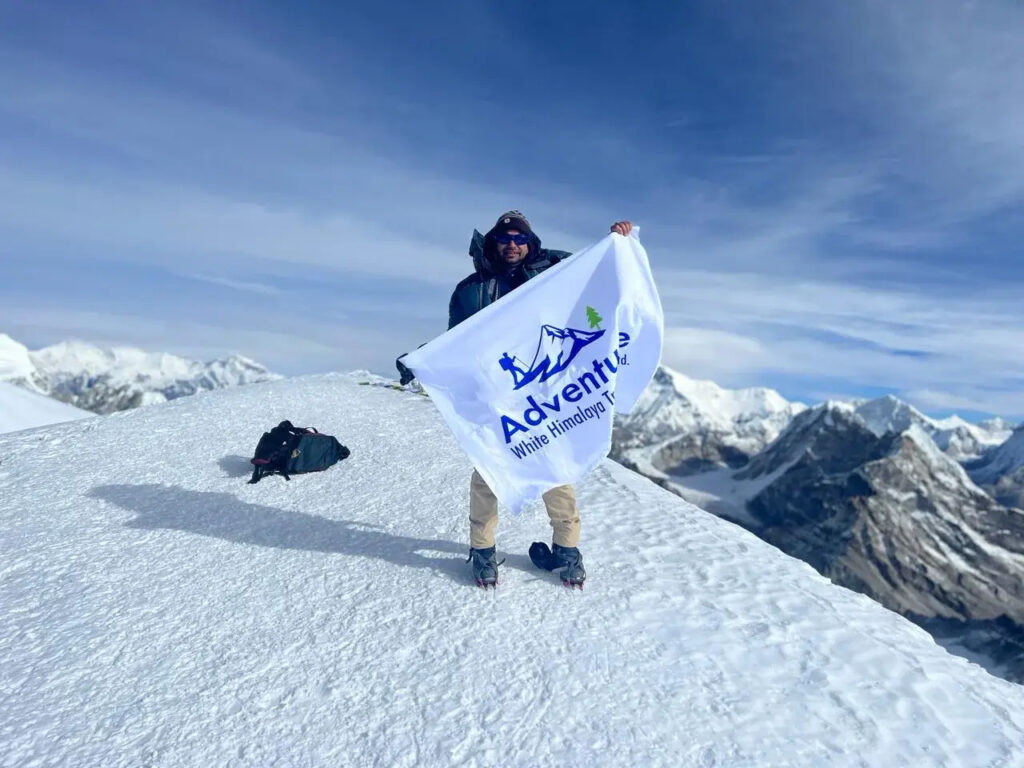
As the sun rises, the Himalayan giants appear around you. Standing on the summit of Mera Peak feels powerful and emotional at the same time. Many climbers tell me it is one of the proudest moments of their lives.
After photos and celebration, the descent begins carefully back to High Camp.
Final Thoughts
Mera Peak climbing is more than just reaching a summit. It is a journey through quiet valleys, high glaciers, and personal limits. With the right preparation, patient pacing, and good guidance, this adventure is within reach for many trekkers.
If you train well, pack smart, and respect the mountain, your chances of success are very high. And when you finally stand on the summit, looking across the vast Himalayas, you will know every step was worth it.
Your adventure is waiting — one steady step at a time.