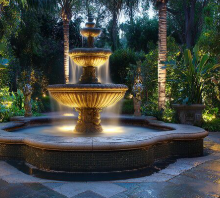
You walk into a space and it feels calm, even if nothing else changed. No new paint. No fancy furniture. Just that soft, steady sound. That’s the power of custom fountains and thoughtfully placed indoor fountains. They don’t scream for attention. They just sit there and do their thing. And somehow, the whole room feels better.
I’ve seen people spend thousands on décor trying to create a “vibe.” Meanwhile, a well-designed water feature quietly does more heavy lifting than half the stuff we overthink. Let’s talk about why.
The Shift Toward Personalized Water Features
Mass-produced décor is everywhere. Same shelves. Same art. Same everything. And honestly, it gets boring.
That’s why custom fountains are starting to show up in homes, offices, even small retail spaces. People want something that feels like it belongs to them. Not something copied from a catalog.
A custom design means you’re not stuck with standard shapes or materials. Want natural stone? Go for it. Prefer sleek glass and stainless steel? That works too. The size, the water flow, the lighting, the placement — all of it can be tailored. It doesn’t have to dominate the room. It just has to fit.
And when it fits, it feels intentional. Not random.
Indoor Fountains Are Not Just for Fancy Lobbies Anymore
There was a time when indoor fountains felt… corporate. Like something you’d only see in hotel entrances or office buildings trying too hard.
Not anymore.
Now they’re showing up in living rooms, entryways, even bedrooms. Smaller, smarter, quieter designs make it possible. And they don’t look outdated. Modern indoor fountains are clean, minimal, and surprisingly versatile.
You can tuck one into a corner to soften sharp architecture. Or make it the focal point of an open-concept space. Some are wall-mounted. Some stand freely. Some look almost like sculpture, until you notice the water moving.
It’s subtle. But powerful.
Why Moving Water Changes a Room (In Ways Paint Can’t)
You can repaint a room. Swap furniture. Change lighting. It helps.
But water adds something dynamic. It’s not static like décor. It moves. It reflects light differently throughout the day. It creates sound. Real sound. Not from a speaker.
That gentle trickling? It masks background noise. Traffic. Neighbors. Random house sounds. Indoor fountains act almost like natural white noise machines, except they look good while doing it.
And mentally, there’s something grounding about it. You don’t stare at a water feature the way you stare at a TV. You just sort of… exist around it. That matters more than we admit.
Custom Fountains and Architectural Design
This is where things get interesting.
When architects and designers plan a space from scratch, custom fountains can be integrated into the structure itself. Not added later. Built in.
Think recessed wall features. Floor-to-ceiling water panels. Indoor water walls separating spaces without blocking light. These aren’t afterthoughts. They’re part of the design language.
And even in renovations, you can retrofit a space to accommodate a tailored fountain. It might take a little planning — plumbing, drainage, electrical — but it’s not impossible. Most modern systems are self-contained, which makes life easier.
The point is, you don’t have to design around the fountain. The fountain can be designed around you.
Small Spaces? Still Works.
A lot of people assume they need a giant house to justify indoor fountains. Not true.
There are compact models designed specifically for apartments and condos. Slim wall-mounted pieces that don’t eat up square footage. Tabletop versions that still offer the sound and movement without the footprint.
And with custom fountains, scale isn’t an issue. You can design something narrow, vertical, or even corner-fitted. It doesn’t have to be dramatic to be effective.
Sometimes the smallest water feature ends up being the most appreciated part of a room.
The Wellness Angle (Without Sounding Like a Sales Pitch)
Let’s be honest. “Wellness” gets thrown around a lot. But there’s some logic here.
The sound of water has been used in meditation practices for centuries. There’s a reason. It slows you down. Encourages steady breathing. Reduces the sharpness of a loud environment.
Indoor fountains can support that kind of atmosphere naturally. You don’t have to do yoga next to it (unless you want to). Just having that consistent water flow changes how a space feels at the end of a long day.
In workspaces, it’s even more noticeable. Offices with water features often feel less tense. Maybe it’s psychological. Maybe it’s acoustic. Either way, it works.
Materials Matter More Than You Think
When it comes to custom fountains, material choice is huge.
Natural stone gives a grounded, earthy look. Glass and acrylic create a clean, modern aesthetic. Copper develops character over time. Stainless steel stays sleek and industrial.
Each material affects not just the appearance, but the sound of the water. Yes, really. Water hitting stone sounds different than water sliding over glass.
That’s one reason custom fountains stand out. You’re not just choosing how it looks. You’re shaping the entire sensory experience.
Maintenance: The Question Everyone Asks
Let’s address it.
People worry that indoor fountains are high-maintenance. Honestly, they’re not as demanding as most think.
Most systems recirculate water, meaning you’re not constantly refilling from scratch. You’ll need occasional cleaning to prevent buildup. Depending on water hardness, maybe a bit more attention. But it’s manageable.
Think of it like caring for a plant. Not zero effort. But not overwhelming either.
And when you consider what it adds to the room? Worth it.
Customization Goes Beyond Looks
When we say custom fountains, we’re not just talking shape and material.
You can adjust water flow intensity. Add LED lighting for nighttime ambiance. Incorporate branding for commercial spaces. Even combine water with greenery for a living wall effect.
For businesses, especially hospitality or wellness brands, a tailored water feature can become part of the identity. Customers remember spaces that feel different.
At home, it becomes personal. A reflection of your taste. Not something copied from a showroom.
Indoor Fountains in Commercial Spaces
Restaurants, spas, clinics, co-working spaces — indoor fountains are showing up more often in these environments.
Why? Because they soften the experience.
A waiting room feels less sterile with a water feature. A restaurant patio feels more intimate. A spa lobby feels… well, like a spa should feel.
And custom fountains allow businesses to match their brand aesthetic precisely. Rustic café? Go with textured stone. Modern tech office? Sleek glass panel with controlled flow.
It’s strategic design, not random decoration.
The Emotional Side of Water Features
This part’s harder to quantify.
There’s something deeply human about being drawn to water. Lakes. Rivers. Ocean views. We’re wired to respond to it.
Bringing that element indoors taps into that instinct. Even in small doses.
Indoor fountains create micro-moments of pause. You catch the shimmer in the corner of your eye. You hear the gentle splash. You breathe differently, even if you don’t notice it consciously.
That’s not hype. That’s just how sensory environments work.
Is It Worth It?
Short answer? Usually, yes.
If you’re already investing in your space — furniture, lighting, layout — adding a water feature can elevate everything around it. Especially if it’s one of the custom fountains designed specifically for your environment.
It’s not about luxury for the sake of it. It’s about the atmosphere. Mood. Experience.
And those things last longer than trends.
Final Thoughts: Make It Yours
If you’re even slightly curious about adding indoor fountains or exploring custom fountains for your home or business, don’t overthink it.
Start with the space. Think about how you want it to feel. Calm? Bold? Subtle? Then build from there.
A well-designed water feature isn’t just décor. It’s an anchor. Something that changes the energy of a room without shouting.
FAQs
Are custom fountains expensive compared to standard models?
They can be, yes. But it depends on size, material, and complexity. A simple custom design might not cost dramatically more than a high-end pre-made unit. You’re paying for personalization and fit, not just the product itself.
Do indoor fountains increase humidity indoors?
Slightly, but usually not in a noticeable way. Most indoor fountains circulate a small volume of water. In very small rooms, you might notice a mild increase, but in typical living spaces it’s minimal.
How often do indoor fountains need cleaning?
Basic maintenance every few weeks is common — wiping surfaces and checking water levels. A deeper clean every couple of months keeps things running smoothly. It’s manageable and becomes routine.
Can custom fountains be installed in existing homes?
Yes. Many modern systems are self-contained, which makes retrofitting easier than people think. You’ll want to plan for electrical access and stable flooring or wall support, but it’s very doable in most homes.