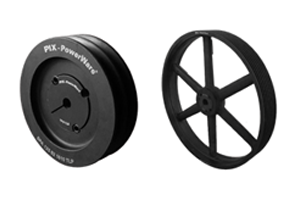
Factories across Thailand work long hours every day. Machines run in hot weather, humid air, and dusty spaces. At the heart of many of these machines is a simple but powerful part — the belt pulley system. It may look small compared to the whole machine, but when something goes wrong, production can stop without warning.
What makes these problems tricky is that they often start quietly. A small noise. A slight shake. A little heat. Then suddenly, a breakdown happens. Let’s explore the most common belt pulley problems found in Thailand’s factories and understand how they can be fixed before they become costly disasters.
Note:
If you want to better understand how to maintain and improve your Industrial Belt Pulley in Thailand(รอกสายพานอุตสาหกรรมในประเทศไทย), learning from experienced industry professionals can make a real difference. PIX Trans THailand shares valuable knowledge and practical insights to help factories reduce downtime and improve machine life. Contact them to explore more information and guidance tailored to your factory needs.
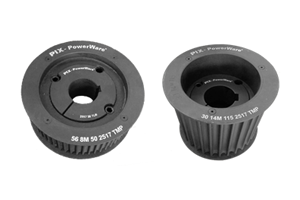
1. Belt Slipping During Operation
One of the most common issues is belt slipping. This happens when the belt does not grip the pulley tightly enough. As a result, the machine loses power and performance drops.
In Thailand’s humid environment, moisture can reduce friction between the belt and pulley. Dust buildup can also make the surface slippery.
The fix often starts with checking belt tension. If the belt is loose, it needs proper tightening. In some cases, replacing worn-out belts is the best solution. Keeping pulley surfaces clean also helps prevent slipping.
If ignored, slipping can lead to overheating and faster wear.
2. Pulley Misalignment
Misalignment is another silent problem. When pulleys are not aligned correctly, the belt moves unevenly. This creates extra stress on the belt edges.
Factories may notice unusual belt wear on one side or hear squeaking sounds. Over time, misalignment can shorten the life of both the belt and pulley.
Proper alignment tools should be used during installation. Regular inspections can catch this issue early. Even a small adjustment can prevent major damage later.
Quick Overview of Belt Slipping and Misalignment
| Problem | Early Sign | Main Cause | Simple Fix |
|---|---|---|---|
| Belt Slipping | Loss of power | Loose belt or moisture | Adjust tension, clean surface |
| Misalignment | Uneven belt wear | Incorrect installation | Realign pulleys properly |
3. Excessive Vibration
Have you ever felt a machine shaking more than usual? Excessive vibration is a warning sign that should never be ignored.
Vibration may happen due to unbalanced pulleys, worn bearings, or uneven surfaces. Thailand’s heavy industrial use increases the chance of this problem.
Balancing the pulley and checking supporting parts can solve the issue. Ignoring vibration can damage nearby machine components and increase repair costs.
4. Overheating of Pulleys
Heat is a common challenge in Thailand’s factories. When pulleys become too hot, it usually means there is friction or overload.
Overheating may be caused by:
Improper belt tension
Continuous heavy load
Poor ventilation
Checking load limits and improving airflow around machinery can reduce heat buildup. Regular lubrication of moving parts also helps lower friction.
If overheating continues, it may signal a deeper mechanical issue that needs immediate attention.
5. Rapid Belt Wear and Tear
Sometimes belts wear out much faster than expected. Cracks, frayed edges, and thinning surfaces are common signs.
High humidity and dust in Thailand can speed up wear. Poor storage conditions before installation can also weaken belts.
The solution starts with choosing the right belt type for the environment. Storing belts in a dry and clean area is equally important. Routine inspection prevents sudden failures.
Signs of Belt Damage You Should Never Ignore
| Visible Sign | What It Means | Recommended Action |
|---|---|---|
| Cracks on surface | Aging or heat damage | Replace belt immediately |
| Frayed edges | Misalignment | Realign and inspect pulley |
| Glazing or shine | Slipping or overheating | Adjust tension and check load |
6. Pulley Surface Wear
Over time, pulley grooves can wear down. When grooves lose their proper shape, belts cannot sit correctly. This reduces efficiency and increases stress.
Surface wear is common in factories that operate machines for long hours daily. Regular visual inspection helps detect groove damage early.
If grooves are severely worn, replacing the pulley may be necessary. Using quality materials during installation can extend lifespan.
7. Bearing Failure
Although the pulley is visible, its bearings work quietly behind the scenes. When bearings fail, the pulley may wobble or produce grinding noises.
Dust contamination and lack of lubrication are major causes. Thailand’s industrial settings often expose machines to fine particles.
Routine lubrication and protective covers can reduce contamination. Replacing damaged bearings quickly prevents further system damage.
8. Noise During Operation
Strange noises are often the first clue that something is wrong. Squealing, grinding, or knocking sounds usually indicate tension issues, alignment problems, or worn components.
Listening carefully during daily checks can prevent bigger breakdowns. Machines often “speak” before they fail.
The fix depends on identifying the exact source. It may be as simple as tightening a belt or as serious as replacing a pulley.
9. Corrosion and Rust
Thailand’s climate is known for high humidity. This increases the risk of rust and corrosion, especially in factories near coastal areas.
Corroded pulleys lose strength and surface smoothness. Rust can also damage belts.
Applying protective coatings and storing spare parts properly can reduce corrosion. Regular cleaning removes moisture buildup.
10. Sudden System Failure
This is every factory manager’s nightmare. A machine stops without warning. Production halts. Deadlines are at risk.
Sudden failure usually happens when smaller warning signs are ignored. Slipping belts, strange sounds, or minor vibrations may have been present earlier.
The key to avoiding sudden breakdowns is preventive maintenance. Routine checks, proper installation, and immediate repairs make a big difference.
Why Early Detection Matters More Than You Think
Many pulley problems do not appear serious at first. A slight sound. A small crack. A bit of heat. But these are early signals.
Ignoring small signs often leads to expensive downtime. Regular inspection schedules and trained maintenance teams help factories in Thailand stay productive.
Sometimes, the real question is not “What went wrong?” but “What signs were missed?”
Practical Maintenance Habits for Long-Term Performance
Factories that follow consistent maintenance routines experience fewer pulley issues. Good habits include regular cleaning, checking alignment, monitoring temperature, and replacing worn parts on time.
Even simple actions like keeping records of inspections can improve performance.
A small effort today can prevent a costly shutdown tomorrow.
Frequently Asked Questions
1. How often should belt pulleys be inspected?
It is recommended to inspect them monthly, or more frequently in high-use environments.
2. What causes belts to slip frequently?
Loose tension, moisture, and worn pulley surfaces are common causes.
3. Can humidity really damage pulley systems?
Yes, high humidity can cause rust, reduce friction, and weaken belts over time.
4. Is vibration always a serious issue?
Not always, but it should never be ignored. It often signals imbalance or worn parts.
5. When should a pulley be replaced instead of repaired?
If grooves are severely worn, cracked, or structurally damaged, replacement is safer.
Stay Connected
Facebook: https://www.facebook.com/pixtrans/
Instagram: https://www.instagram.com/pixtrans/
YouTube: https://www.youtube.com/user/pixtrans
LinkedIn: https://www.linkedin.com/company/pixtrans/
Twitter: https://x.com/pixtrans
Google Maps: https://maps.app.goo.gl/V2NG4NKaZRKu7xtG6