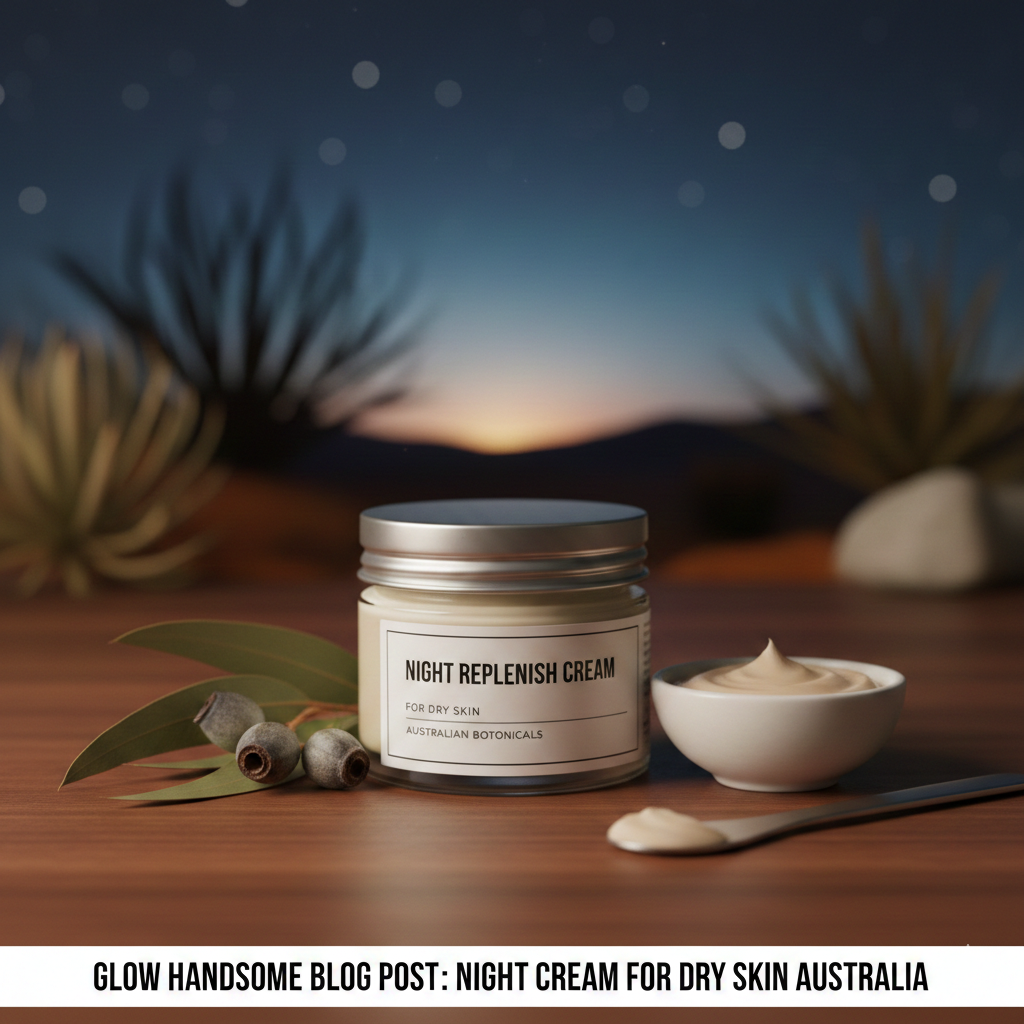
Night cream for dry skin Australia is essential for anyone struggling with dryness caused by climate, sun exposure, or indoor air conditions. Choosing the right formula can restore hydration, repair the skin barrier, and leave your skin soft and smooth by morning.
From understanding the key ingredients to selecting the perfect texture for your routine, this guide covers everything you need to know about night creams specifically for dry skin in Australia.
Why Is Night Cream Important for Dry Skin?
Nighttime is when your skin naturally repairs itself. During sleep, cell regeneration increases, and the skin works to recover from daily environmental stressors such as UV exposure, pollution, and air conditioning.
For people with dry skin, this repair process needs extra support. A night cream:
-
Replenishes lost moisture
-
Strengthens the skin barrier
-
Reduces flakiness and tightness
-
Improves elasticity
-
Minimizes fine lines caused by dehydration
Unlike day creams, night creams are usually thicker and richer. They are designed to deeply nourish the skin without the need for sun protection ingredients, allowing them to focus entirely on repair and hydration.
Understanding Dry Skin in the Australian Climate
The climate across the country varies dramatically, but several common factors contribute to dryness:
1. High UV Exposure
Strong sun exposure can damage the skin barrier, leading to moisture loss and premature aging.
2. Low Humidity in Certain Regions
Inland and southern areas often experience dry air, which pulls moisture from the skin.
3. Air Conditioning and Heating
Indoor climate control systems can reduce humidity levels, worsening dehydration.
Because of these environmental challenges, night creams formulated for local conditions often focus on intensive hydration and barrier repair.
Key Ingredients to Look for in a Night Cream
Not all night creams are created equal. If you have dry skin, focus on products that contain the following ingredients:
Hyaluronic Acid
A powerful humectant that draws water into the skin, helping it appear plump and smooth. It works well in both humid and dry environments when layered correctly.
Ceramides
Ceramides are lipids that naturally occur in the skin barrier. They help seal in moisture and protect against environmental stressors. A night cream rich in ceramides is ideal for strengthening compromised skin.
Glycerin
Another effective humectant, glycerin helps maintain hydration and supports skin softness.
Shea Butter
A deeply nourishing ingredient that provides long-lasting moisture and soothes dry, irritated skin.
Squalane
Lightweight yet highly moisturizing, squalane mimics the skin’s natural oils and improves elasticity without clogging pores.
Niacinamide
While often associated with oily skin, niacinamide is excellent for dry skin because it strengthens the skin barrier and improves moisture retention.
Peptides
These support collagen production and help repair skin overnight, making them ideal for mature dry skin.
Ingredients to Avoid If You Have Dry Skin
Some ingredients can worsen dryness or cause irritation:
-
High concentrations of alcohol
-
Fragrance (especially synthetic)
-
Harsh exfoliating acids used nightly
-
Strong retinoids without proper hydration support
If you use active ingredients like retinol, ensure your night cream is rich enough to counterbalance potential dryness.
Cream vs. Balm vs. Sleeping Mask: What’s the Difference?
When shopping for a night product, you may encounter different textures. Understanding these can help you make the right choice.
Night Cream
Typically rich but absorbent. Suitable for daily use.
Night Balm
Thicker and more occlusive. Ideal for very dry or mature skin, especially during winter.
Sleeping Mask
Often gel-based or creamy. Designed to be applied as the final step and left overnight for intense hydration.
For extremely dry skin, layering a hydrating serum under a rich cream can provide better results than using a single product alone.
How to Choose the Best Night Cream for Dry Skin Australia
Dry skin is not one-size-fits-all. Here’s how to narrow down your options:
For Sensitive Dry Skin
Look for fragrance-free formulas with soothing ingredients like oat extract, ceramides, and panthenol.
For Mature Dry Skin
Choose products with peptides, antioxidants, and nourishing oils to address both dryness and signs of aging.
For Acne-Prone Dry Skin
Opt for non-comedogenic creams containing squalane and hyaluronic acid rather than heavy pore-clogging oils.
For Extremely Dehydrated Skin
Consider a cream that combines humectants (like hyaluronic acid) with occlusives (like shea butter) to both attract and seal in moisture.
Building an Effective Night Routine for Dry Skin
A good night cream works best when part of a complete skincare routine.
Step 1: Gentle Cleanser
Use a hydrating cleanser that doesn’t strip natural oils.
Step 2: Hydrating Toner or Essence
Apply a water-based product to prep the skin for better absorption.
Step 3: Serum
Choose a hydrating or barrier-repair serum.
Step 4: Night Cream
Apply a generous amount and gently massage into the face and neck.
Step 5: Facial Oil (Optional)
For very dry skin, seal everything in with a few drops of oil.
Consistency is key. Results typically become noticeable after two to four weeks of regular use.
Seasonal Considerations
Summer
Even though temperatures are higher, air conditioning and sun exposure can dry out the skin. Choose a medium-weight cream that hydrates without feeling heavy.
Winter
Colder temperatures and lower humidity levels require thicker, more nourishing formulas. Switching to a balm-like texture during colder months can help prevent flaking.
Adjusting your night cream seasonally ensures your skin remains balanced throughout the year.
Natural vs. Dermatologically Formulated Products
Many consumers prefer natural skincare, but it’s important to evaluate products based on effectiveness rather than marketing claims.
Natural Products
These often contain plant oils, botanical extracts, and minimal synthetic ingredients. They can be excellent for dry skin but may still cause irritation if fragranced.
Dermatologically Formulated Products
These are often backed by clinical testing and contain scientifically proven ingredients like ceramides and peptides.
The best choice depends on your skin sensitivity, personal preference, and ingredient tolerance.
How Much Should You Spend on a Night Cream?
Price does not always determine effectiveness. A good night cream should:
-
Contain proven hydrating ingredients
-
Be suitable for your skin type
-
Have minimal irritants
-
Feel comfortable on your skin
Many mid-range products offer excellent formulations without the luxury price tag. Focus on ingredient quality rather than branding alone.
Common Mistakes When Using Night Cream
Even the best product won’t work if used incorrectly. Avoid these mistakes:
Applying to Dry Skin
Night cream absorbs better when applied to slightly damp skin.
Using Too Little
Dry skin often needs a generous amount for effective hydration.
Skipping the Neck
The neck area is prone to dryness and aging; extend your application downward.
Not Patch Testing
Always test new products on a small area first to avoid reactions.
Signs Your Night Cream Is Working
After consistent use, you should notice:
-
Reduced tightness
-
Smoother texture
-
Fewer flaky patches
-
Improved glow
-
Softer, more elastic skin
If irritation, breakouts, or increased dryness occur, reassess the formula and consult a skincare professional if needed.
When to See a Dermatologist
If your dryness is severe, painful, or persistent despite using moisturizing products, it may be due to an underlying condition such as eczema or dermatitis. In such cases, professional advice is recommended.
Prescription-strength barrier creams or medicated treatments may be necessary for chronic dryness.
Final Thoughts
Choosing the best night cream for dry skin requires understanding your unique needs, climate conditions, and ingredient preferences. In a country known for intense sun exposure and varied weather patterns, hydration and barrier repair should be top priorities.
Look for creams rich in ceramides, hyaluronic acid, and nourishing oils. Avoid harsh ingredients that strip moisture. Adjust your formula according to seasonal changes, and maintain a consistent nightly routine.
With the right product and proper skincare habits, you can wake up to softer, healthier, and more resilient skin every morning. Investing in a high-quality night cream is not just about comfort—it’s about long-term skin health and protection.
By making informed choices and listening to your skin, you can successfully manage dryness and enjoy a radiant complexion all year round.