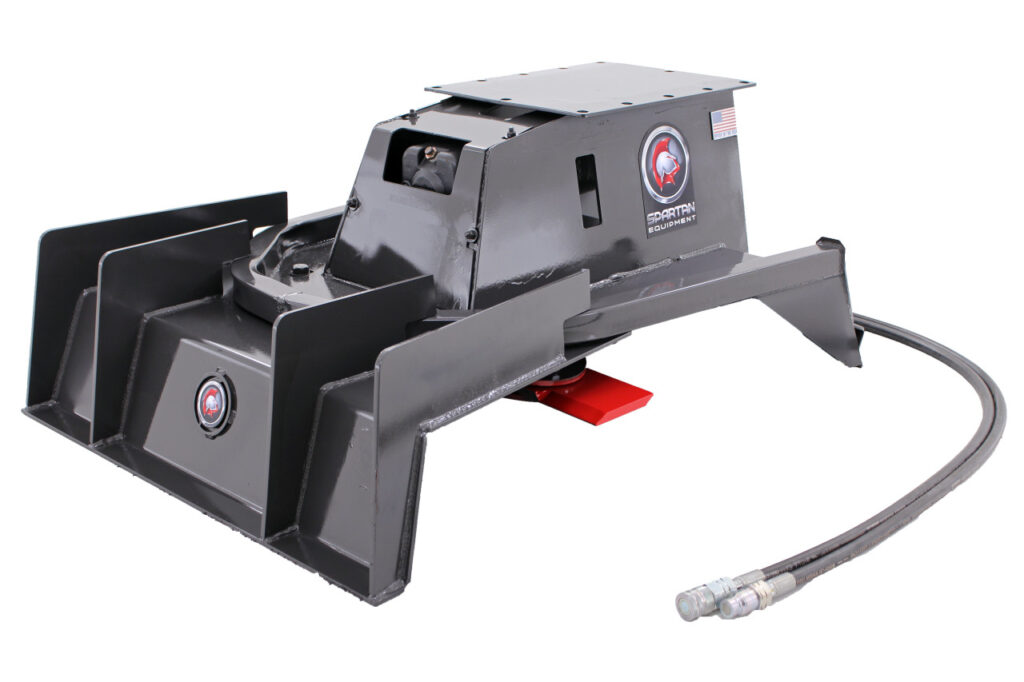
Land clearing isn’t glamorous work. It’s loud, dirty, and usually behind schedule. Whether you’re opening up pasture, cleaning fence lines, or knocking back overgrown lots before development, the attachment you bolt onto your skid steer matters more than people admit. I’ve seen crews waste days running the wrong tool. Wrong attachment, wrong result. Simple as that.
Most contractors end up debating the same thing: brush cutter or mulcher? And somewhere in that conversation the skid steer brush hog always comes up. It should. It’s one of the most common tools for clearing thick grass and light brush. But is it enough? Depends on what you’re actually cutting.
Let’s break it down without the marketing fluff.
Understanding the Job Before the Attachment
Before you even think about specs or horsepower, you need to be honest about the job. Are you knocking down tall grass and saplings? Or are you chewing through hardwood that hasn’t seen sunlight in ten years?
Land clearing isn’t one thing. It’s a range. Pasture maintenance is different from reclaiming overgrown property. Roadside vegetation control is different from storm cleanup. That’s where the brush cutter and the mulcher split paths.
Contractors, landscapers, and farm operators usually care about three things: speed, durability, and cost. Not in that order, either. Sometimes speed wins. Sometimes you just need the job done without wrecking your machine.
Brush Cutter: Fast, Aggressive, Straight to the Point
A brush cutter attachment sometimes called a brush hog is built for knocking stuff down. Thick grass. Weeds. Light saplings. Maybe small trees if you’ve got the right model and enough flow. It’s not delicate. It doesn’t finesse. It just cuts and moves on.
That’s why so many guys run a skid steer brush hog for pasture maintenance and property cleanups. You cover ground quickly. You’re not trying to mulch material into fine chips. You’re just clearing it out so the land is usable again.
Pros?
Speed. Lower cost compared to mulchers. Simpler maintenance. You can get solid, heavy-duty cutters from brands like Spartan Equipment that are built to take abuse. Welded decks, reinforced blades, no nonsense.
Cons?
You’re leaving debris behind. Stumps stay. Bigger trees? Forget it. You’ll bounce around and burn time.
For contractors bidding large acreage jobs where time is money, brush cutters make sense. Especially if the goal is “cut and go.”
Mulcher: Slower, But Thorough
Now let’s talk mulchers. Different animal.
A forestry mulcher attachment doesn’t just cut vegetation. It grinds it down into mulch. Trees, thick brush, heavy growth. It leaves a cleaner finish. More polished, if that matters on your job site.
Mulchers are popular with land developers and serious clearing crews because they reduce material on site. No hauling piles. No secondary grinding. You’re basically processing everything as you go.
But here’s the trade-off.
They cost more. They require more hydraulic power. They’re heavier. And they’re slower across open grassy areas. You don’t buy a mulcher to mow fields. You buy it to destroy woody vegetation.
If you’re working dense lots in Maryland or anywhere in the Mid-Atlantic where growth gets wild fast, a mulcher earns its keep. For farm operators clearing fence lines, maybe overkill. For heavy reclamation work? It’s a beast.
Horsepower, Hydraulics, and Reality
This is where some guys mess up.
You can’t just throw a mulcher on any skid steer and expect magic. High-flow hydraulics matter. Machine weight matters. Cooling capacity matters. If your skid steer isn’t built for it, you’ll feel it. Heat. Wear. Downtime.
Brush cutters are more forgiving. Lower flow requirements. Easier on smaller machines. That’s why they’re common with compact loaders and even paired with a brush cutter mini excavator setup for tighter access jobs. Not every property gives you wide-open maneuvering space.
And that’s worth thinking about.
When a Brush Cutter Makes More Sense
If your typical job looks like this:
– Overgrown fields
– Tall grass
– Light brush
– Property maintenance contracts
Then a skid steer brush hog is probably your best friend. It’s efficient. Affordable. And it handles routine clearing without overcomplicating things.
You can move fast. Cover acreage. Keep fuel costs reasonable. For landscapers maintaining large estates or farms rotating pasture, this tool just works.
It’s not flashy. It’s practical.
When You Need a Mulcher Instead
Now flip the scenario.
– Thick wooded lots
– Heavy saplings and hardwood
– Land development prep
– Clearing neglected property
That’s mulcher territory. You want to reduce everything to manageable mulch and leave a cleaner finish. It saves hauling. Cuts down on follow-up work. And it looks better when clients walk the property.
Just be ready for the upfront cost. And make sure your machine can handle it.
Some contractors even run both. Brush cutter for open areas. Mulcher for dense sections. Depends on the scale of operation.
What About Mini Machines?
This comes up more than you’d think. Not every contractor is running a full-size skid steer. Tight residential lots, fencing projects, utility installs sometimes you’re better off with a compact setup.
That’s where a brush cutter mini excavator combo can shine. You get reach. Precision. And the ability to work around obstacles without tearing up ground. It’s not replacing a dedicated skid steer cutter for big acreage, but for targeted clearing it’s a solid move.
And if you’re sourcing attachments, companies like Spartan Equipment offer options built for real job site abuse. Not thin steel. Not lightweight homeowner gear. Commercial-grade stuff.
Because downtime costs more than the attachment ever will.
Cost vs Productivity: The Real Comparison
Let’s be blunt.
If you’re only clearing light growth, a mulcher is overkill. You’re paying more for capability you won’t use. That cuts into profit margins fast.
If you’re tackling dense brush with a light-duty cutter, you’ll waste time. Blades dull. Progress slows. You fight the machine instead of working with it.
So the “best” attachment isn’t about hype. It’s about matching tool to task.
Contractors who win bids and keep clients long term usually understand that. They invest based on workload, not trends.
Final Thoughts: Choose Based on the Work, Not the Hype
There’s no universal winner in the brush cutter vs mulcher debate. Just different tools for different land clearing jobs.
For wide-open fields and routine vegetation control, a skid steer brush hog keeps things simple and profitable. For serious wooded clearing and heavy growth, a mulcher earns its higher price tag.
And in tighter spaces or specialty work, a brush cutter mini excavator setup gives you flexibility most crews overlook.
The key is knowing your projects. Know your machine. Know your margins.
Attachments don’t make money sitting in the yard. They make money when they match the job in front of you.
Keep it practical. Keep it durable. And buy equipment that’s built for real work, not showroom photos. That’s how you stay ahead in this business.