Hydraulic systems play a vital part in a wide range of diligence, including construction, manufacturing, husbandry, and transportation. These systems calculate on fluid power to operate ministry, icing smooth and effective performance. still, the effectiveness of any hydraulic system largely depends on the cleanliness of its fluid. pollutants similar as dust, dirt, essence patches, and humidity can fluently enter hydraulic fluid and beget serious damage. This is where hydraulic filters come essential. By removing contaminations from the fluid, they help maintain system effectiveness, help expensive breakdowns, and reduce time-out.
Understanding the significance of Clean Hydraulic Fluid
Hydraulic fluid acts as the lifeblood of any hydraulic system. It transfers energy, lubricates factors, and helps maintain system temperature. When pollutants enter the fluid, they can lead to disunion, wear, and erosion of system factors. Over time, indeed small patches can damage pumps, faucets, and cylinders, reducing overall system performance.
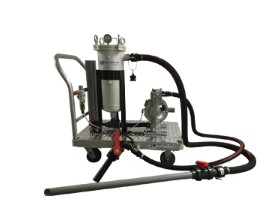
Hydraulic pollutants are specifically designed to trap and remove these dangerous patches. By maintaining clean fluid, they insure that ministry operates easily and constantly. Clean hydraulic fluid not only enhances system performance but also extends the lifetime of critical factors, reducing the need for frequent repairs or reserves.
How Hydraulic Pollutants Ameliorate System Efficiency
One of the primary benefits of using hydraulic pollutants is bettered system effectiveness. defiled fluid can disrupt the inflow of hydraulic oil painting, causing pressure drops and reducing system affair. When pollutants remove pollutants, the fluid can flow freely, allowing the system to operate at optimal performance situations.
Clean fluid also reduces disunion between moving factors. inordinate disunion can induce heat, which negatively impacts hydraulic system performance and accelerates wear and tear and gash. By icing proper lubrication and reducing heat buildup, pollutants help maintain stable system temperatures and ameliorate overall effectiveness.
also, high- quality filtration prevents congesting within the hydraulic system. Blockages caused by debris can circumscribe fluid movement and lead to inconsistent outfit performance. With duly performing hydraulic pollutants, the threat of clogging is significantly reduced, allowing ministry to operate without interruptions.
Reducing outfit time-out Through Effective Filtration
time-out can be extremely expensive for businesses that calculate on hydraulic outfit. When ministry fails suddenly, it not only disrupts operations but also leads to lost productivity and increased conservation charges. One of the leading causes of hydraulic system failure is fluid impurity.
By installing and maintaining hydraulic pollutants, businesses can minimize the threat of unanticipated breakdowns. Pollutants continuously remove dangerous patches, precluding them from accumulating inside the system. This visionary approach helps identify implicit issues before they develop into serious mechanical problems.
Regular sludge conservation also ensures harmonious system performance. When pollutants are replaced or gutted according to recommended schedules, they continue to give dependable protection against impurity. As a result, outfit remains functional for longer ages, significantly reducing time-out.
The part of Advanced Filtration Accoutrements
ultramodern filtration technology has introduced advanced accoutrements that enhance the performance of filtration systems. One similar material is the ptfe sludge, which offers superior chemical resistance and continuity. This type of sludge is particularly useful in demanding surroundings where hydraulic systems are exposed to harsh chemicals or extreme temperatures.
A ptfe sludge is known for its capability to maintain filtration effectiveness while defying erosion and declination. Its unique parcels allow it to handle aggressive fluids and maintain harmonious performance over time. By incorporating similar advanced filtration results, hydraulic systems can achieve advanced trustability and longer service intervals.
These technical pollutants also contribute to better fluid cleanliness. Their precise filtration capabilities allow them to capture extremely fine patches that standard pollutants may miss. This added position of protection further improves system effectiveness and reduces the threat of element damage.
Extending Equipment Lifespan
Hydraulic outfit represents a significant investment for businesses. guarding this investment requires proper conservation and impurity control. Hydraulic pollutants play a critical part in extending outfit lifetime by precluding abrasive patches from damaging internal factors.
Clean fluid ensures that pumps, faucets, and seals operate without inordinate wear and tear. When these factors serve duly, the entire hydraulic system remains stable and dependable. Over time, this reduces conservation costs and increases overall outfit life.
The use of advanced filtration results similar as a ptfe sludge further enhances outfit protection. Its continuity and resistance to harsh conditions make it an excellent choice for systems that operate in grueling surroundings. By perfecting fluid cleanliness and maintaining harmonious filtration performance, these pollutants help maximize outfit life.
Improving Safety and trustability
Hydraulic system failures can pose serious safety pitfalls, especially in diligence that calculate on heavy ministry. outfit malfunction caused by polluted fluid can lead to unanticipated movements, pressure loss, or system shutdowns. By maintaining clean fluid, hydraulic pollutants help insure safe and dependable outfit operation.
harmonious filtration reduces the liability of unforeseen system failure, allowing drivers to work with confidence. Reliable outfit performance also improves workflow effectiveness, as workers can concentrate on tasks without fussing about unanticipated ministry breakdowns.
Stylish Practices for Maintaining Hydraulic Pollutants
To achieve maximum effectiveness and time-out reduction, it’s important to follow proper sludge conservation practices. Regular examination of hydraulic pollutants helps identify signs of congesting or damage. Replacing pollutants at recommended intervals ensures harmonious filtration performance.
Monitoring hydraulic fluid condition is another essential practice. defiled or degraded fluid should be replaced instantly to help system damage. also, using high- quality filtration accoutrements , including options like a ptfe filter, can give enhanced protection and ameliorate overall system trustability.
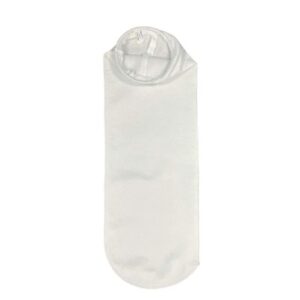
Proper installation of pollutants is inversely important. Incorrect installation can lead to leaks or reduced filtration effectiveness. icing that pollutants are installed according to manufacturer guidelines helps maintain optimal system performance.
Conclusion
Effective hydraulic system operation depends heavily on fluid cleanliness and proper impurity control. Hydraulic pollutants play a vital part in removing dangerous patches, perfecting system effectiveness, and reducing time-out. By icing smooth fluid inflow, minimizing disunion, and precluding outfit damage, these pollutants help maintain harmonious ministry performance.
Advanced filtration technologies, including the use of a ptfe sludge, offer fresh continuity and perfection, making them ideal for demanding artificial operations. By investing in high- quality filtration results and following proper conservation practices, businesses can enhance outfit trustability, reduce functional dislocations, and extend the lifetime of their hydraulic systems.