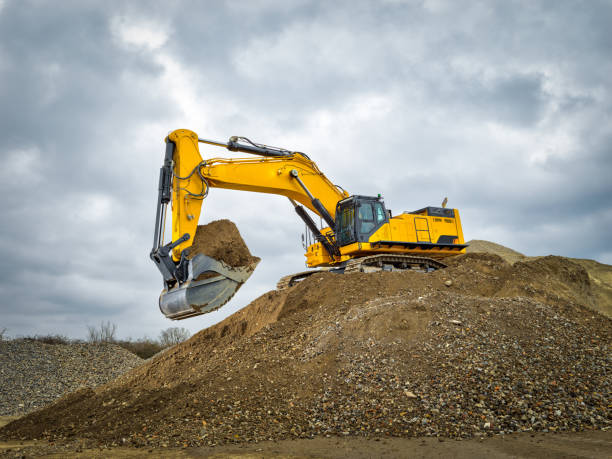
Excavator blue sky heavy machine construction site
Starting a residential project always feels exciting at first. Fresh land. New plans. Big dreams. But under all that, the ground has to be right or nothing else really matters. Most homeowners don’t think about dirt quality or grading angles until something goes wrong. That’s usually when people start searching for residential excavating companies in Winchester because foundation cracks or water pooling suddenly become very real problems. Truth is, excavation is quiet work. Nobody shows off trenches on social media. But if the groundwork is sloppy, everything built above it slowly pays the price. And yeah, sometimes fast, sometimes slow, but it always shows eventually.
What Residential Excavation Actually Involves (More Than Most Expect)
The short answer is excavation shapes how a property behaves for decades. Not months. Decades. It’s not just digging space for foundations or utility lines. It’s land balancing. Crews adjust slope, soil density, and drainage flow before any concrete gets poured. Let’s be real, good excavation work looks boring. Machines move slow. Measurements get double checked. Sometimes triple checked. But boring is good here. Fast and flashy usually means corners got cut. And the ground doesn’t forgive mistakes. Not ever.
Why Soil Behavior Is The Hidden Factor In Every Home Project
Some soil holds structure beautifully. Some don’t. Clay expands and shrinks depending on moisture. Sandy soil drains fast but shifts easier under weight. Rocky ground holds shape but can cause uneven settling if not cut evenly. Good operators watch soil texture constantly while working. They adjust machine pressure. Change cut depth slightly. These aren’t big dramatic changes. Small stuff. But small stuff underground controls long term stability. A lot of future structural problems come from crews treating all soil types the same, which honestly… is a huge mistake.
Where Demolition And Excavation Usually Connect On Residential Jobs
This is usually where residential demolition contractors become part of the process. Old structures don’t just get smashed and hauled away. Proper demolition protects surrounding soil stability. If demolition shakes surrounding ground too much, future excavation zones become unstable. Good crews coordinate demolition timing with excavation prep. Remove debris carefully. Control vibration levels when possible. It sounds excessive maybe, but ground disturbance spreads further than most people expect. Especially around older home foundations.
Drainage Planning Happens Before Most People Even Notice It
Water is always part of excavation planning. Always. You can’t fight natural water flow long term. You work with it. Crews map runoff paths, slope fall lines, and low collection zones before machines even cut deep. Plants and grass growth patterns usually tell a story if you look close. Water already moves somewhere naturally. Smart excavation redirects it safely without forcing unnatural flow paths. Bad planning here causes erosion later. And erosion never starts big. It starts tiny. Then it grows slowly. Then suddenly fast.
Equipment Matters, But Operator Skill Matters More
Big machines help move volume faster. Sure. But residential excavation usually needs precision more than speed. Good operators feather controls constantly. Adjusting bucket angle mid cut. Balancing pressure so soil doesn’t over compact or loosen too much. Bad compaction causes settlement pockets later. Loose fill zones collapse slowly under home weight. These problems don’t show up right away. It usually takes seasons. Maybe years. That’s why experience usually beats equipment size every single time.
Why Ground Compaction Is The Most Ignored Step That Matters Most
Compaction isn’t exciting. Nobody takes photos of compaction passes. But it decides how the ground supports weight long term. Moisture content matters too. Too dry, soil won’t compress right. Too wet, compaction becomes uneven. Good crews test moisture levels before final compaction layers. They build ground density gradually. Not rushed. Because rushed compaction creates invisible weak zones. And those weak zones eventually become visible damage.
The Real Cost Of Cheap Excavation Shows Up Years Later
Cheap bids usually cut time, not cost. Fewer soil tests. Less grading precision. Faster backfill. Everything might look perfect when the job finishes. Then weather cycles start working on the ground. Freeze, thaw, rain, dry. Over and over. Weak prep shows up slowly. Driveways settle uneven. Basement walls get stress cracks. Water starts pooling near foundations. And repairs later always cost more than doing excavation right the first time. Always.
Why Homeowners Are Choosing Specialists For Complex Ground Prep
More property owners now understand excavation isn’t just early stage construction. It’s long term property protection. Proper coordination between site prep and residential demolition contractors makes new builds more stable from day one. That’s why homeowners lean toward experienced residential excavating companies in Winchester for serious residential work. Because the goal isn’t just finishing construction. The goal is land stability for decades. Let’s be honest, nobody wants to think about excavation again once the house is built. And when excavation is done right, they never have to. That’s kind of the whole point.