For Tomball families seeking the loftiest quality beef, pork, angel, and other flesh while supporting original husbandry and gaining translucency about food sources, searching for “Ranches near me in Tomball, TX” and buying directly from these operations offers compelling advantages that conventional grocery store meat shopping simply can not match. Tomball’s fortunate position at the edge of Houston’s civic sprawl means residers remain within short driving distance of working cattle ranches, family beast operations, and small- scale meat directors who vend directly to consumers through colorful arrangements — from bulk purchases of whole, half, or quarter creatures to lower cuts available at ranch stores or through regular delivery routes. This direct estate- to- consumer purchasing model has gained tremendous instigation as families decreasingly prioritize knowing exactly where their meat originates, understanding how creatures were raised and fed, icing humane treatment, avoiding antibiotics and hormones current in artificial operations, and simply enjoying dramatically superior taste and quality that duly- raised beast delivers. Understanding the specific advantages of buying meat directly from original ranches — from profitable value and product quality to translucency and community support — reveals why this purchasing approach, while taking further original trouble than supermarket convenience, delivers benefits that keep families returning to estate-direct sources once they witness the differences.
Superior Quality Through Proper Raising and Finishing
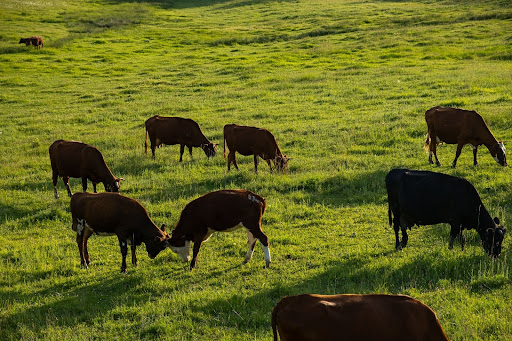
The most incontestably conspicuous advantage of buying direct from ranches near Tomball is the superior meat quality performing from traditional caregiving practices and proper finishing that emphasize beast weal and meat quality over artificial effectiveness. numerous original ranches raise cattle on pasturage where they graze naturally on lawn, supplemented with locally- sourced grain during finishing ages to develop proper marbling and flavor. This balanced approach produces beef with rich taste, ideal fat distribution, and tender texture that pasture beef — raised entirely on high- concentrate grain diets in crowded conditions — can not replicate. The stress-free terrain, natural diets, applicable exercise, and humane handling each contribute to meat quality in ways artificial operations prioritizing outturn over quality can not achieve. Heritage strain gormandizers raised on pasturage produce pork with intramuscular fat and flavor lost in ultramodern spare commodity pork bred for leanness at the expenditure of taste. Lamb from small flocks entering individual attention has mild flavor and tender texture veritably different from mass- produced druthers. The evidence appears on your plate — meat from duly- raised creatures tastes dramatically better, culinarians more predictably, and satisfies in ways that make conventional supermarket meat feel inferior by comparison.
Complete Translucency About Feed and Practices
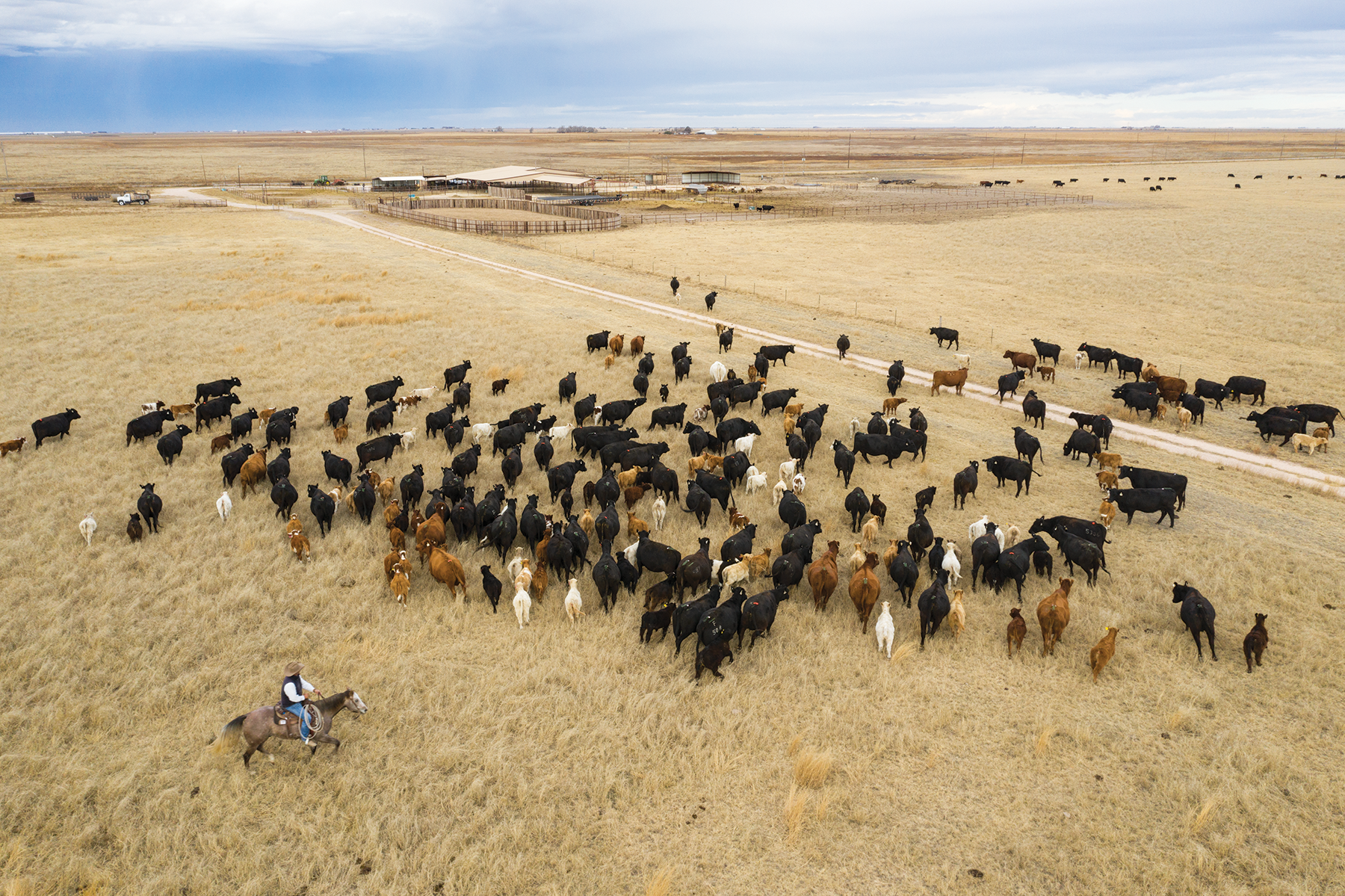
When buying direct from original ranches, you gain complete translucency about every aspect of how creatures were raised — information that remains mysterious and unknowable with anonymous supermarket meat from distant artificial operations. Direct exchanges with drovers give detailed information about feeding programs Were cattle simply lawn- fed or grain- finished? What specific feeds were used? Were growth hormones administered? Were antibiotics used routinely for growth creation or only therapeutically when creatures were ill? What types produce this meat and why? How were creatures housed and handled? This translucency allows you to elect meat produced according to your specific values and precedences — whether that means 100 lawn- fed beef, antibiotic-free flesh, or heritage strain pork raised on pasturage. numerous drovers drink visits where you can see operations firsthand, meet the creatures, observe installations, and corroborate that practices match descriptions. This radical translucency stands in stark discrepancy to supermarket meat where force chain complexity makes tracing origins nearly insolvable and where artificial operations laboriously repel public scrutiny. For families concerned about food safety, beast weal, environmental practices, or simply wanting to know what they are feeding their children, this translucency provides inestimable peace of mind.
Economic Value Through Bulk Purchasing
While retail cuts from estate stores may carry decoration prices reflecting quality, bulk purchasing directly from ranches delivers remarkable profitable value that frequently equals or beats supermarket pricing while furnishing extensively superior products. Purchasing a quarter, half, or whole beef directly from drovers at hanging weight prices generally$ 4- 7 per pound depending on quality and finishing — yields total retail original prices well below supermarket rates for similar quality once processing is regard. A half beef might bring$ 1,500- 2,500 aggregate( beast cost plus processing), furnishing 200- 250 pounds of colorful cuts — original to$ 6- 10 per pound retail, which is competitive with or below supermarket decoration beef prices while delivering quality far exceeding anything available in grocery stores. The variety of cuts in bulk purchases — steaks, repasts, ground beef, stew meat, bones for broth — provides culinary versatility unapproachable buying existent packages. Yes, bulk purchasing requires freezer space and outspoken capital, but the combination of superior quality at competitive pricing makes this investment worthwhile for families committed to eating well. numerous ranches also offer payment plans or deposits with delivery at processing, reducing outspoken fiscal walls.

Supporting Original Agricultural Economy and Community
Beyond particular benefits of quality and value, buying direct from ranches near Tomball directly supports original agrarian frugality and family operations that form the backbone of pastoral communities girding the area. When you buy from original drovers, nearly 100 of your spending stays original — supporting family livelihoods, contributing to original duty bases, sustaining agrarian land use that preserves pastoral character, and strengthening indigenous food system adaptability. This contrasts sprucely with supermarket meat purchases where the maturity of bones inflow to distant commercial meatpackers, artificial ranches, andmulti-state distribution networks with minimum original profitable impact. numerous ranches near Tomball representmulti-generational family operations facing violent profitable pressure from artificial husbandry and development enterprise; consumer support through direct purchases helps these operations remain economically feasible, conserving agrarian land and traditions. For families valuing community strength, agrarian sustainability, and profitable localism, direct estate purchases represent values restated into action with every meat purchase.
Reduced Environmental Impact and Carbon Footprint
Original estate purchases generally involve shorter force chains and further sustainable practices than artificial meat product, reducing environmental impacts that decreasingly concern conscious consumers. Meat traveling 20- 50 long hauls from original ranches to your freezer versus 1,000 long hauls through artificial force chains dramatically reduces transportation carbon footmark. numerous small ranches practice rotational grazing and regenerative husbandry that improves soil health, sequesters carbon, and enhances rather than degrades land — differing with artificial pasture operations that concentrate waste, bear expansive grain civilization, and induce substantial environmental problems. The absence of routine antibiotics reduces antimicrobial resistance enterprises, while hormone-free caregiving addresses endocrine dislocation issues. Water operation per pound of beef is generally lower in well- managed pasturage operations than grain- fed ranches taking irrigation for feed crops. For environmentally-conscious families seeking to reduce their food carbon footmark and environmental impact, original estate-direct purchases represent concrete conduct aligning eating habits with environmental values.

Building connections and Agricultural Connections
Buying direct from ranches transforms meat-copping from anonymous deals into ongoing connections with the people producing your food. You learn drovers’ names, hear about their operations and challenges, admit updates about vacuity and special products, and come part of a community around original food. These connections give responsibility — drovers know their guests tête-à-tête and take pride in quality, creating impulses for excellence that anonymous artificial product lacks. You gain agrarian knowledge through exchanges about cattle types, lawn kinds, rainfall impacts, and ranching practices that make food knowledge. Children who visit ranches and meet directors develop profound understanding about where food originates and appreciation for agrarian work. These connections enrich life beyond just food deals, connecting civic and pastoral communities in ways that profit both.
Enjoying Ranch Quality in Restaurant Settings
For families who appreciate estate- quality flesh but also enjoy dining out, seeking caffs that partake commitment to quality sourcing extends ranch-to-table values beyond home cuisine. Establishments prioritizing farmers fresh meat from original directors produce dining gests that recognize the agrarian work and quality you’ve come to value. Fielding’s Wood Grill represents caffs committed to component quality, offering menus where duly- sourced proteins prepared with culinary moxie produce memorable reflections. Their fidelity to quality constituents and thoughtful medication provides dining gests that satisfy differencing palates appreciating the difference proper sourcing makes.
Conclusion
Buying meat directly from ranches near Tomball delivers compelling advantages gauging quality, translucency, value, community support, environmental benefits, and meaningful connections that conventional supermarket shopping can not approach. While this purchasing system requires further trouble — finding sources, arranging purchases, managing freezer space — the prices justify the redundant work for families prioritizing food quality, agrarian translucency, and values alignment in their consumption choices. The dramatic quality differences, complete translucency about raising practices, profitable value through bulk purchasing, support for original husbandry, and reduced environmental impacts produce important provocations that keep families committed to estate-direct purchasing once they witness these benefits firsthand. For Tomball families seeking the stylish possible flesh while supporting original ranches and gaining confidence about exactly what they are feeding their families, direct estate purchasing represents not just an volition to supermarket shopping but a unnaturally superior approach that transforms meat from anonymous commodity into delicious food with known origins, trusted sources, and exceptional quality.