Male reproductive health affects fertility, hormone balance, sexual performance, confidence, and long-term wellbeing. Many men only start thinking about it when a problem appears—low libido, poor sperm quality, testicular discomfort, or hormonal changes. I want to shift that mindset. You can support reproductive health naturally at every stage of life, using daily habits, nutrition, and evidence-based supplements.
This guide speaks directly to you—whether you are planning a family, managing an existing condition, or simply aiming to feel stronger and more balanced. I focus on practical, natural strategies that respect how the male body works.
Why male reproductive health needs daily care
Your reproductive system does not work in isolation. Hormones, blood circulation, metabolism, stress levels, and immune function all influence sperm production and sexual health. Small, repeated lifestyle choices shape these systems over time.
When you support reproductive health naturally, you often notice wider benefits:
- Improved energy and stamina
- More stable mood and mental clarity
- Better muscle strength and fat balance
- Stronger immune response
These changes matter just as much as fertility itself.
Nutrition as the foundation of reproductive health
Food provides the raw materials your body uses to produce sperm and hormones. Poor dietary patterns disrupt this process quickly.
Key nutrients you need daily
Zinc
Zinc supports testosterone production and sperm formation. Low zinc levels link strongly with reduced fertility. Include pumpkin seeds, lentils, chickpeas, eggs, and whole grains.
Selenium
Selenium protects sperm from oxidative stress. Brazil nuts, fish, eggs, and brown rice supply reliable amounts.
Omega-3 fatty acids
These fats improve sperm membrane quality and support blood flow. You can get them from oily fish, flaxseeds, chia seeds, and walnuts.
Vitamin D
Vitamin D supports hormone regulation and sperm motility. Sun exposure helps, but many men benefit from dietary sources such as eggs, fortified foods, or supplements.
Antioxidants
Vitamins C and E protect sperm DNA. Fresh fruits, vegetables, nuts, and seeds should appear in your meals every day.
I recommend building meals around whole foods rather than focusing on single nutrients in isolation.
Hydration and its role in sperm health
Dehydration affects semen volume and circulation. Even mild dehydration increases fatigue and reduces physical performance.
Aim to drink water consistently throughout the day. Clear or pale yellow urine usually indicates good hydration. Herbal teas also support hydration without overstimulating the nervous system.
Weight balance and hormone regulation
Excess body fat increases oestrogen production in men and lowers testosterone levels. At the same time, extreme calorie restriction also disrupts hormone balance.
You support reproductive health best by:
- Eating regular meals
- Including protein at each meal
- Choosing complex carbohydrates
- Avoiding frequent sugary snacks
Slow, steady fat loss improves hormone stability more effectively than crash dieting.
Physical activity that supports male fertility
Exercise improves blood flow to the reproductive organs and supports hormone regulation. The key lies in balance.
Strength training
Resistance exercises increase testosterone production when performed consistently. Two to four sessions per week work well.
Moderate cardiovascular exercise
Walking, cycling, and swimming improve circulation and reduce stress hormones.
Avoid overtraining
Excessive endurance training without recovery raises cortisol and suppresses testosterone. Rest days matter.
Movement should leave you energised, not exhausted.
Sleep quality and testosterone production
Testosterone production peaks during deep sleep. Short or disrupted sleep reduces levels quickly.
You can improve sleep quality by:
- Going to bed at a consistent time
- Avoiding screens before sleep
- Keeping the bedroom cool and dark
- Limiting caffeine after midday
Even one extra hour of quality sleep can support hormone balance.
Stress management and reproductive health
Chronic stress suppresses testosterone and sperm production. Stress hormones interfere directly with reproductive signalling pathways.
Practical ways to manage stress include:
- Daily breathing exercises
- Mindfulness or prayer
- Light evening walks
- Reducing late-night work
You do not need to eliminate stress completely; you need to recover from it effectively.
Natural supplements that support male reproductive health
Supplements work best when combined with good nutrition and lifestyle habits. They can fill nutrient gaps and support specific concerns.
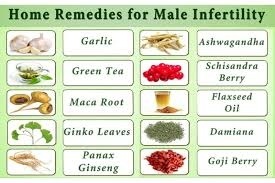
Herbs with clinical relevance
Ashwagandha
Supports testosterone levels, reduces stress hormones, and improves sperm quality.
Tribulus terrestris
May support libido and hormonal signalling in men with low baseline levels.
Maca root
Traditionally used to support fertility, stamina, and sexual function.
Fenugreek
Supports healthy testosterone metabolism and blood sugar balance.
Choose products with transparent labelling and standardised extracts.
Supporting testicular health naturally
Testicular discomfort or swelling often worries men, yet many hesitate to seek advice early. Gentle natural support can help alongside medical care.
Cold-pressed oils, antioxidant-rich foods, and circulation-supporting herbs play a role. You can also explore options discussed in Natural Remedies to Reduce Hydrocele Size, which explains supportive approaches for testicular swelling without aggressive intervention.
If swelling persists or worsens, always seek medical evaluation.
Blood circulation and erectile function
Healthy erections rely on strong blood flow and nerve signalling. Natural strategies that support cardiovascular health also support sexual function.
Key habits include:
- Regular physical activity
- Omega-3 intake
- Limiting smoking and alcohol
- Managing blood pressure naturally
Improved circulation often leads to noticeable improvements in sexual confidence.
Alcohol, smoking, and reproductive harm
Alcohol and tobacco directly impair sperm quality and hormone balance.
- Alcohol increases oestrogen and reduces testosterone.
- Smoking damages sperm DNA and reduces motility.
Reducing or eliminating these habits produces measurable improvements within months.
Environmental toxins and hormone disruption
Modern life exposes you to plastics, pesticides, and heavy metals that interfere with hormone signalling.
You can reduce exposure by:
- Avoiding plastic containers for hot food
- Choosing fresh foods over packaged options
- Using natural personal care products
- Washing fruits and vegetables thoroughly
Small changes reduce cumulative exposure over time.
Gut health and hormone metabolism
Your gut helps regulate hormone recycling and nutrient absorption. Poor gut health increases inflammation and disrupts testosterone metabolism.
Support gut health by:
- Eating fibre-rich foods
- Including fermented foods
- Reducing excessive sugar intake
A healthy gut supports the entire endocrine system.
Ageing and male reproductive health
Hormone levels change with age, but decline is not inevitable. Lifestyle choices influence how smoothly your body adapts.
Men who stay active, eat nutrient-dense foods, and manage stress often maintain healthy testosterone levels well into later life.
Natural support works best when started early, not after severe decline.
Fertility planning and sperm quality
If you plan to conceive, begin supporting sperm health at least three months beforehand. Sperm development takes time.
Focus on:
- Antioxidant intake
- Stress reduction
- Adequate sleep
- Avoiding heat exposure to the testes
These steps improve both sperm count and genetic quality.
Choosing supplements safely
Not all supplements meet quality standards. Always check:
- Ingredient transparency
- Third-party testing
- Appropriate dosage levels
If you source products online, use trusted platforms such as Organic Vitamins and Supplements Online UK to ensure safety and compliance.
Integrating natural care with medical advice
Natural strategies complement medical care rather than replace it. If you experience persistent pain, infertility, hormonal symptoms, or swelling, consult a healthcare professional.
Some men explore additional options such as Natural Supplement for Hydrocele Swelling alongside medical monitoring. Integrated care often produces the best outcomes.
Daily habits that make the biggest difference
You do not need extreme routines. Focus on consistency:
- Eat whole foods daily
- Move your body regularly
- Sleep well
- Manage stress intentionally
- Avoid harmful substances
These habits build reproductive resilience over time.
Final thoughts
Male reproductive health reflects how well you care for your body overall. Natural approaches give you control and support long-term wellbeing without harsh interventions. When you commit to daily habits, targeted nutrition, and safe supplementation, you support fertility, confidence, and vitality at every stage of life.
Start small, stay consistent, and listen to your body. Your reproductive health responds when you give it the support it needs.