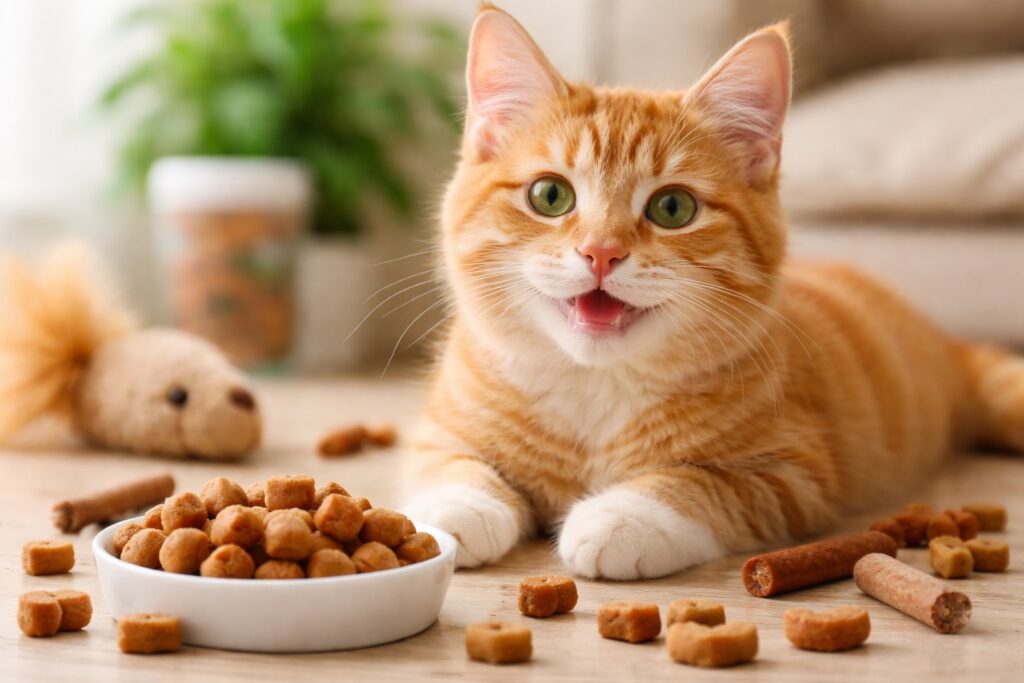
Cats may not complain about dental discomfort, but bad breath, plaque buildup, and gum sensitivity are common concerns among USA pet owners. Many cat parents assume dental care means stressful brushing or expensive vet cleanings—but there’s a simpler, gentler solution that fits right into daily routines. Choosing the right soft treats for cats can support oral hygiene, encourage chewing, and still feel like a reward your cat actually enjoys.
This guide is designed to help cat owners understand how treats play a role in feline dental health, what ingredients matter, and how chew treats for cats can be a smart addition to everyday care—especially for cats that dislike hard kibble or dental toys.
Why Cat Dental Health Is a Growing Concern for USA Pet Owners
Dental disease affects a large percentage of adult cats in the United States, yet it often goes unnoticed until serious symptoms appear. Bad breath, drooling, reduced appetite, and behavioral changes are frequently linked to oral discomfort.
Busy pet parents often struggle with:
- Cats refusing toothbrushes
- Hard dental treats being too aggressive for sensitive mouths
- Confusion about which treats are actually beneficial
That’s where thoughtfully formulated soft treats come in. They provide a balance between texture, palatability, and functionality—making dental support more achievable for everyday households.
How Soft Treats for Cats Differ from Traditional Dental Treats
Not all dental treats are created equal. Many conventional dental snacks rely on hardness to scrape teeth, which doesn’t work for every cat. Senior cats, kittens, and cats with sensitive gums often avoid crunchy options altogether.
Soft treats for cats are designed with a gentler texture that still encourages chewing. Instead of relying solely on abrasion, they often use:
- Enzyme-based formulas
- Breath-freshening herbs
- Functional fibers that help reduce plaque buildup
This makes them more accessible for a wider range of cats while still contributing to better oral health.
Understanding Cat Treats for Bad Breath and Why Education Matters
Many pet owners search for cat treats for bad breath without fully understanding what causes it. Bad breath isn’t just unpleasant—it’s often a symptom of plaque, tartar, or gum inflammation.
Gaining proper knowledge helps cat parents:
- Avoid treats that only mask odor
- Choose products that address the root cause
- Recognize when a vet visit is necessary
Soft treats formulated with dental-support ingredients can help reduce odor over time by supporting healthier gums and minimizing bacterial buildup. However, education is key—treats work best as part of a broader oral care routine, not as a standalone fix.
The Role of Chewing in Feline Oral Health
Chewing is a natural behavior for cats, even though it’s less obvious than in dogs. Chew treats for cats are designed to stimulate jaw movement and increase saliva production, both of which help rinse away food particles and bacteria.
Benefits of chew-focused treats include:
- Mild mechanical cleaning of teeth
- Reduced plaque accumulation
- Improved gum stimulation
Soft chew treats strike a balance by encouraging chewing without putting stress on delicate teeth or gums.
Key Ingredients to Look for in Dental-Friendly Soft Cat Treats
Reading labels matters. The effectiveness of any treat depends heavily on its ingredient list. High-quality soft treats often include:
Natural Breath Fresheners
Ingredients like parsley, mint, or chlorophyll can help neutralize odor-causing bacteria rather than just covering smells.
Enzymes and Functional Additives
Enzymes assist in breaking down plaque before it hardens into tartar, making long-term dental care more manageable.
High-Quality Protein Sources
Animal-based proteins support muscle health and make treats more appealing, ensuring consistent use.
Limited Artificial Additives
Avoiding artificial colors and excessive fillers reduces the risk of digestive upset and allergic reactions.
Why Texture Matters More Than Most Cat Owners Realize
Texture plays a critical role in whether a cat will actually eat a treat. Many USA pet owners report wasted money on dental treats their cats refuse. Soft treats are often:
- Easier to chew
- Less intimidating
- More appealing to picky eaters
Cats with missing teeth, gum sensitivity, or age-related dental issues benefit especially from softer textures that don’t cause discomfort.
Using Soft Treats as Part of a Complete Dental Routine
While soft treats for cats offer meaningful support, they work best when combined with other simple habits:
- Regular vet dental checkups
- Occasional tooth brushing when tolerated
- Monitoring breath changes and eating behavior
Treats should be seen as a supportive tool, not a replacement for professional care. When used consistently, they help maintain progress between vet visits.
Common Mistakes Cat Owners Make When Choosing Dental Treats
Even well-intentioned pet parents can make choices that limit effectiveness. Common mistakes include:
- Choosing treats based only on flavor
- Overfeeding treats and ignoring portion control
- Assuming all dental treats work the same
Understanding how ingredients, texture, and chewing behavior interact allows cat owners to make smarter, more effective choices.
How Soft Dental Treats Improve Daily Life for Cats and Owners
The benefits extend beyond fresher breath. Many cat owners notice:
- Increased interest in treats
- Better eating habits
- Improved comfort during meals
For owners, the convenience factor matters just as much. Soft treats are easy to store, simple to serve, and stress-free compared to brushing attempts that often end in scratches and frustration.
Choosing the Right Treat for Your Cat’s Age and Needs
Cats go through different life stages, and dental needs change along the way.
- Kittens benefit from gentle chewing experiences that build habits early
- Adult cats need consistent plaque management
- Senior cats require softer textures that don’t strain aging teeth
Selecting age-appropriate chew treats for cats ensures safety and effectiveness throughout your cat’s life.
Are Soft Treats Safe for Daily Use?
Most high-quality soft dental treats are designed for daily or regular use when fed according to guidelines. Portion control is essential—treats should complement meals, not replace balanced nutrition.
Always introduce new treats gradually and observe your cat for any digestive changes.
Final Thoughts for USA Cat Parents
Maintaining your cat’s dental health doesn’t have to be complicated or stressful. With the right approach, soft treats for cats can play a valuable role in reducing bad breath, supporting gum health, and making daily care easier for busy USA pet owners.
Education, consistency, and ingredient awareness are the real keys. When treats are chosen thoughtfully, they become more than just rewards—they become part of a healthier, happier routine for both you and your cat.
Frequently Asked Questions
1. Can soft treats for cats really help with bad breath?
Yes. When formulated with dental-support ingredients, soft treats can help reduce odor-causing bacteria and improve overall oral hygiene over time.
2. Are chew treats for cats better than hard dental treats?
Not necessarily better, but often more suitable for cats with sensitive gums, missing teeth, or picky eating habits.
3. How often should I give my cat dental treats?
Most products are designed for daily or several-times-a-week use. Always follow feeding guidelines and adjust based on your cat’s size and diet.
4. Do cat treats for bad breath replace brushing?
No. Treats support dental health but don’t replace professional cleanings or brushing when tolerated. They work best as part of a routine.
5. What signs mean my cat needs a vet dental check instead of treats?
Persistent bad breath, drooling, bleeding gums, or refusal to eat indicate the need for veterinary evaluation rather than treat-based care alone.