Why Every Resistance Welding System Needs a Reliable Weld Saver
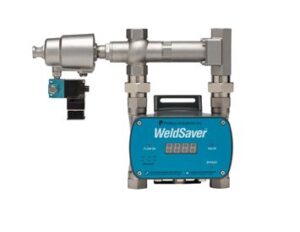
In modern manufacturing environments, resistance welding systems are expected to run faster, longer, and with minimal downtime. However, one small issue—like an unexpected coolant leak—can bring an entire welding line to a halt and cause serious damage to equipment. This is where a Weld Saver becomes not just helpful, but essential. A Weld Saver acts as a protective shield for your resistance welding system, detecting problems early and preventing costly failures. If you want to extend equipment life, reduce downtime, and protect your investment, now is the time to integrate a reliable Weld Saver into your welding setup.
Understanding Resistance Welding Systems
Resistance welding is widely used in industries such as automotive manufacturing, aerospace, metal fabrication, and appliance production. The process relies on electrical resistance and pressure to join metal parts, generating intense heat at the weld point. To manage this heat, resistance welding systems use water-cooled components like weld guns, electrodes, transformers, and cables.
Because these systems operate under high electrical loads and continuous cooling, even a small disruption—such as a blocked coolant line or internal leak—can lead to overheating, short circuits, or complete system failure. Without proper monitoring, these issues often go unnoticed until major damage has already occurred.
What Is a Weld Saver?
A Weld Saver is a flow-monitoring and protection device designed specifically for resistance welding systems. Its primary job is to monitor coolant flow and detect leaks or blockages in real time. When an abnormal condition is detected, the Weld Saver can immediately trigger an alarm or shut down the welding system to prevent damage.
In simple terms, a Weld Saver acts like an early-warning system. Instead of discovering a problem after equipment failure, operators are alerted the moment something goes wrong. This proactive approach saves time, money, and critical components.
Why Coolant Protection Is Critical in Resistance Welding
Water cooling is the backbone of resistance welding performance. Electrodes, transformers, and weld cables generate extreme heat, and without proper cooling, they can quickly degrade or fail. A coolant leak inside a welding gun or transformer is especially dangerous because water and electricity are a hazardous combination.
If coolant flow drops or leaks internally, the result can be:
-
Burned transformers
-
Damaged weld guns
-
Short circuits
-
Poor weld quality
-
Unplanned production stoppages
A Weld Saver continuously monitors coolant flow, ensuring that the system operates within safe parameters at all times.
Preventing Costly Equipment Damage
One of the biggest reasons every resistance welding system needs a Weld Saver is equipment protection. Welding components are expensive, and replacing them often involves not only part costs but also labor, downtime, and lost production.
Without a Weld Saver:
-
A hidden coolant leak may damage a transformer beyond repair
-
Overheated weld cables may fail unexpectedly
-
Electrodes may wear out faster due to insufficient cooling
By detecting problems early, a Weld Saver prevents small issues from turning into major failures. Over time, this protection alone can save thousands—or even millions—in maintenance and replacement costs.
Reducing Downtime and Production Loss
Downtime is one of the most expensive problems in manufacturing. When a resistance welding system fails, production lines stop, schedules fall behind, and deadlines are missed. The longer it takes to diagnose the problem, the greater the loss.
A Weld Saver helps minimize downtime by:
-
Providing instant alerts when coolant flow is abnormal
-
Identifying the affected welding circuit quickly
-
Allowing maintenance teams to act before severe damage occurs
Instead of dealing with unexpected breakdowns, facilities can shift toward planned maintenance and faster troubleshooting.
Improving Weld Quality and Consistency
Consistent cooling directly affects weld quality. When components overheat, weld parameters can fluctuate, leading to weak or inconsistent welds. This can result in rejected parts, rework, or even safety issues in finished products.
By maintaining proper coolant flow, a Weld Saver helps ensure:
-
Stable welding temperatures
-
Consistent weld penetration
-
Reduced electrode wear
-
Higher overall weld quality
In high-precision industries, this consistency is critical for meeting quality standards and customer expectations.
Enhancing Safety in the Workplace
Safety is another major reason to use a Weld Saver. Water leaks inside electrically charged welding equipment pose a serious risk to both machinery and personnel. Electrical shorts, sparks, or overheating can create hazardous working conditions.
A Weld Saver improves safety by:
-
Detecting internal leaks before they become dangerous
-
Automatically shutting down systems when necessary
-
Reducing the risk of electrical fires or equipment explosions
A safer system protects not only equipment but also the people who work around it every day.
Supporting Preventive Maintenance Strategies
Modern manufacturing increasingly relies on preventive and predictive maintenance rather than reactive repairs. A Weld Saver fits perfectly into this approach by providing real-time feedback on system health.
Maintenance teams can use Weld Saver data to:
-
Identify recurring flow issues
-
Schedule maintenance before failures occur
-
Optimize cooling system performance
This data-driven approach leads to longer equipment life and better resource planning.
Compatibility with Modern Welding Systems
Today’s Weld Savers are designed to integrate easily with advanced resistance welding systems. Many models offer digital displays, programmable settings, and compatibility with PLCs and automation systems.
This means:
-
Easy integration into existing production lines
-
Centralized monitoring of multiple weld circuits
-
Better control and visibility for operators and engineers
As welding systems become more automated, having intelligent protection like a Weld Saver becomes even more important.
Long-Term Cost Efficiency
While some manufacturers hesitate due to upfront costs, a Weld Saver is a long-term investment that quickly pays for itself. When you consider the cost of damaged transformers, extended downtime, and lost production, the value becomes clear.
The return on investment comes from:
-
Reduced repair and replacement costs
-
Lower maintenance expenses
-
Improved production efficiency
-
Fewer quality rejections
Over time, a Weld Saver is not an added expense—it’s a cost-saving tool.
Why Reliability Matters When Choosing a Weld Saver
Not all Weld Savers are created equal. A reliable Weld Saver must be accurate, fast-responding, and durable enough to operate in harsh industrial environments. Choosing a high-quality unit ensures consistent performance and dependable protection.
Key features to look for include:
-
Precise flow measurement
-
Quick response time
-
Easy calibration
-
Robust industrial design
A reliable Weld Saver becomes a trusted safeguard for your entire resistance welding operation.
Final Thoughts: A Must-Have for Every Welding System
Resistance welding systems are complex, high-value assets that demand reliable protection. Coolant flow issues are one of the most common and costly causes of welding equipment failure—but they are also among the easiest to prevent.
By installing a Weld Saver, manufacturers gain early detection, improved safety, better weld quality, and significant cost savings. In today’s competitive manufacturing landscape, protecting your welding systems is not optional—it’s essential.
If your goal is to keep production running smoothly, protect critical equipment, and avoid unexpected downtime, investing in a reliable Weld Saver is one of the smartest decisions you can make for your resistance welding system.