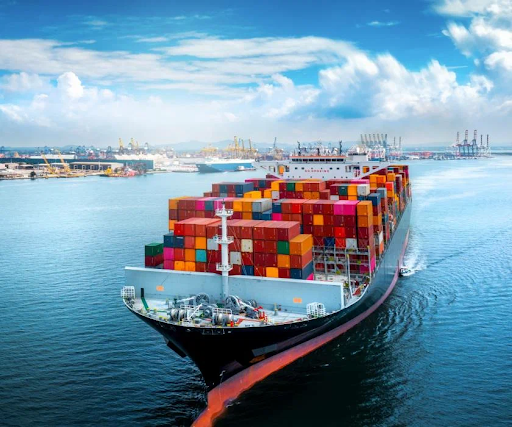
Global shipping requires strategic planning, especially when choosing the right container solution. Sea freight logistics is the backbone of international trade, and selecting between Full Container Load (FCL) and Less than Container Load (LCL) can impact cost, transit time, and cargo safety. Understanding the differences between these two options helps businesses streamline their shipping process and avoid unexpected delays or expenses.
What FCL Means for Your Business
FCL is the ideal choice for shipments that can fill an entire container or require dedicated space. This option provides better control over the cargo, reduces handling, and minimizes the risk of damage. FCL is usually preferred by businesses shipping large quantities or high-value goods that need secure and uninterrupted transit.
Benefits of Choosing FCL
- Dedicated Container Space: With FCL, your cargo occupies the entire container, reducing the risk of mixing with other shipments. This offers better security and lowers the chance of damage or contamination.
- Faster Transit Time: Since the container is sealed and handled as one unit, FCL shipments usually move faster through ports and handling points. This reduces delays and helps maintain a predictable delivery schedule.
- Better Handling Control: The cargo is loaded and unloaded only once, which reduces the chances of mishandling. This is especially beneficial for fragile or high-value goods.
How LCL Works for Smaller Shipments
LCL is designed for shipments that do not require a full container. Multiple shipments are consolidated into one container, which helps reduce shipping costs for smaller cargo. While LCL is cost-effective, it involves more handling and may take longer due to consolidation and deconsolidation processes.
Advantages of LCL Shipping
- Cost Efficiency for Small Loads: LCL allows businesses to ship smaller quantities without paying for an entire container, making it a budget-friendly option for startups and small businesses.
- Flexible Shipment Volume: LCL provides flexibility, enabling businesses to ship goods as needed instead of waiting to accumulate enough cargo for a full container.
- Ideal for Test Shipments: Companies exploring new markets can use LCL to test demand without committing to large inventory shipments, minimizing risk and upfront costs.
Factors to Consider When Choosing Between FCL and LCL
Choosing the right shipping method depends on the size of the shipment, budget, delivery timeline, and cargo sensitivity. Working with a reliable cargo freight carrier helps in assessing these factors and determining the most efficient option. A trusted carrier can provide expert guidance, secure handling, and clear tracking throughout the transit.
Key Decision Factors
- Shipment Size and Volume: If your shipment is large enough to fill a container, FCL is usually more cost-effective. For smaller volumes, LCL is the better option.
- Delivery Speed Requirements: FCL typically offers faster transit since it avoids consolidation delays. LCL may take longer due to the need for consolidation and deconsolidation at the port.
- Cargo Sensitivity and Security: FCL offers greater security and reduced handling, which is ideal for fragile or high-value goods. LCL involves more handling, increasing the risk of damage.
Conclusion
Choosing between FCL and LCL is a critical decision in international shipping that impacts cost, transit time, and cargo safety. A well-informed choice can enhance the efficiency of your sea freight logistics operations and improve overall supply chain performance. Working with a reputable cargo freight carrier like AVR Logistics ensures that your shipment is handled with expertise and precision. It offers comprehensive sea freight solutions, transparent pricing, and secure cargo handling, making it a dependable partner for businesses seeking efficient global shipping support.