Industrial Shed Engineering for Safe and Reliable Infrastructure
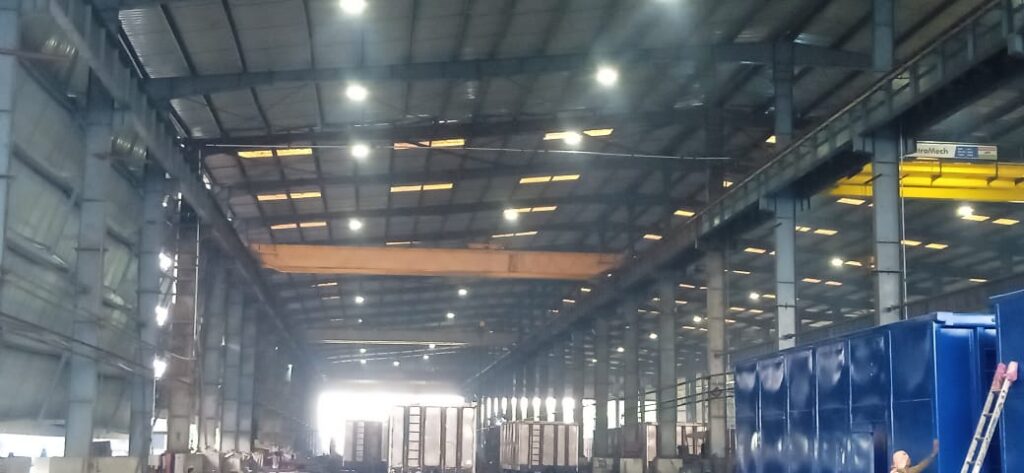
A modern industrial shed designed for strength, safety, and efficient industrial workflows.
Modern industries depend on strong, well-engineered infrastructure to support production, storage, logistics, and workforce safety. As operations grow more complex and regulatory expectations increase, the role of engineering in industrial construction becomes critical. A well-designed facility is not just about covering space; it is about creating a safe, efficient, and long-lasting environment that supports business continuity.
Industrial shed engineering focuses on delivering structures that can handle heavy loads, environmental stress, operational movement, and future scalability. When done correctly, it ensures structural stability, compliance with safety norms, and uninterrupted performance over decades. This article explores how thoughtful engineering creates safe and reliable infrastructure, and why quality planning is the foundation of every successful industrial facility.
The Importance of Engineering in Industrial Infrastructure
Engineering is the backbone of industrial construction. Every column, beam, foundation, and connection must work together as a single system. Poor engineering decisions can lead to structural failure, safety hazards, costly repairs, and operational downtime.
A professionally engineered Industrial Shed is designed to manage static loads such as roofing and equipment, as well as dynamic loads including cranes, moving machinery, wind pressure, and seismic forces. Engineers evaluate site conditions, soil capacity, climate factors, and usage requirements before finalizing a design. This scientific approach ensures that the structure performs reliably under real-world conditions.
Beyond strength, engineering also improves efficiency. Optimized spans reduce the need for internal columns, improving workflow and space utilization. Proper ventilation, lighting integration, and drainage planning further enhance usability while reducing long-term maintenance costs.
Safety as a Core Engineering Objective
Safety is non-negotiable in industrial environments. Workers operate heavy machinery, handle materials, and move across large spaces daily. Engineering decisions directly influence how safe these activities are.
A well-engineered Industrial Shed incorporates load-balanced framing, fire-resistant materials, and stable foundations to minimize risk. Structural calculations ensure that the building can withstand extreme weather events such as high winds or heavy rainfall. In seismic zones, additional reinforcements protect the structure and the people inside it.
Engineering also plays a role in emergency preparedness. Clear spans allow safer evacuation routes, while properly designed roof slopes and drainage systems prevent water accumulation that could weaken the structure. Safety is not an afterthought; it is built into the design from day one.
Reliability Through Structural Precision
Reliability in industrial infrastructure means consistent performance over time without unexpected failures. Precision engineering ensures that all components fit together accurately and perform as intended.
An expertly designed Industrial Shed accounts for thermal expansion, material fatigue, and long-term load behavior. Steel members are sized correctly to avoid bending or buckling, while connections are designed to distribute forces evenly. This attention to detail prevents structural stress that can lead to cracks, corrosion, or joint failure.
Reliable infrastructure reduces downtime. When a structure remains stable and maintenance requirements are predictable, businesses can focus on production instead of repairs. Over the life of the facility, this reliability translates into significant cost savings.
Material Selection and Engineering Excellence
Material selection is a critical part of industrial shed engineering. Engineers choose materials based on strength, durability, corrosion resistance, and environmental exposure.
Structural steel is widely preferred due to its high strength-to-weight ratio and predictable behavior under load. When combined with accurate engineering, steel enables long spans and flexible layouts. Protective coatings and galvanization further enhance durability, especially in humid or coastal environments.
Roofing systems are also engineered carefully. The integration of insulation, ventilation, and a properly designed Roof Shade improves thermal comfort and protects equipment from heat exposure. These features contribute to energy efficiency while extending the life of the structure.
Compliance and Engineering Standards
Industrial infrastructure must comply with building codes, safety regulations, and industry standards. Engineering ensures that every requirement is met without compromising functionality.
A compliant Industrial Shed follows national and international standards related to structural design, fire safety, wind load, and seismic performance. Engineers prepare detailed calculations and drawings that demonstrate compliance during inspections and approvals.
Compliance is not just about legal requirements; it is about protecting investments and human lives. Facilities built according to standards are more likely to receive insurance coverage, regulatory approvals, and client trust.
Custom Engineering for Diverse Industrial Needs
No two industries operate the same way. Manufacturing plants, warehouses, logistics hubs, and processing units all have unique operational demands. Engineering customization ensures that infrastructure supports specific workflows.
A custom-engineered Industrial Shed can include crane systems, mezzanine floors, heavy equipment foundations, or specialized ventilation. Engineers coordinate with operational teams to understand load patterns, movement zones, and future expansion plans.
This tailored approach avoids over-engineering or under-engineering. The result is a structure that is efficient, safe, and adaptable to changing business needs.
Long-Term Performance and Lifecycle Value
Engineering decisions made during construction affect the entire lifecycle of an industrial facility. A focus on long-term performance reduces maintenance costs and extends service life.
A professionally engineered Industrial Shed resists corrosion, deformation, and material fatigue. Proper drainage systems prevent water damage, while controlled ventilation reduces moisture buildup. These features preserve structural integrity year after year.
Lifecycle value also includes adaptability. Engineering foresight allows for future modifications such as expansion, equipment upgrades, or layout changes without compromising safety.
The Role of Technology in Modern Engineering
Advanced software and modeling tools have transformed industrial shed engineering. Engineers now use structural analysis programs and 3D modeling to simulate loads, stresses, and performance before construction begins.
This technology improves accuracy and reduces errors. A digitally modeled Industrial Shed can be optimized for material usage, reducing waste while maintaining strength. Clash detection ensures that structural elements align perfectly with electrical, mechanical, and plumbing systems.
Modern engineering also supports sustainability by optimizing designs for energy efficiency and reduced material consumption.
Engineering Expertise and Execution
Engineering excellence is not just about design; it is also about execution. Accurate fabrication, quality control, and skilled installation ensure that the design intent is realized on site.
A well-engineered Industrial Shed requires coordination between engineers, fabricators, and construction teams. Quality checks at every stage verify that materials, welds, and connections meet specifications.
Companies like CND Engineering bring together technical expertise and execution capability, ensuring that engineering plans translate into safe, reliable, and durable structures.
Why Professional Engineering Matters
Choosing professional engineering is an investment in safety, reliability, and operational success. Cutting corners in design or materials often leads to higher costs later through repairs, downtime, or safety incidents.
A properly engineered Industrial Shed supports productivity, protects assets, and creates a safe working environment. It reflects a commitment to quality and long-term thinking.
Engineering also builds confidence among stakeholders, from employees and regulators to investors and clients.
Future-Ready Industrial Infrastructure
As industries evolve, infrastructure must keep pace. Engineering plays a vital role in preparing facilities for automation, increased load demands, and sustainability goals.
A future-ready Industrial Shed is designed with flexibility, allowing upgrades without structural compromise. Thoughtful engineering ensures that today’s infrastructure can support tomorrow’s growth.
By integrating modern design principles, compliance standards, and durable materials, engineering transforms industrial spaces into reliable assets.
Conclusion
Industrial shed engineering is the foundation of safe and reliable industrial infrastructure. From structural integrity and safety compliance to long-term performance and adaptability, engineering decisions shape the success of industrial facilities.
With experienced partners like CND Engineering, businesses gain access to professional expertise that prioritizes safety, precision, and reliability. Investing in quality engineering today ensures stable operations and sustainable growth for years to come.
If you are planning to build or upgrade an industrial facility, choose engineering solutions that prioritize safety, durability, and long-term value. Partner with experienced professionals who understand industrial requirements and deliver infrastructure you can rely on.
Contact a trusted engineering team today to create a structure that supports your business now and into the futurek.