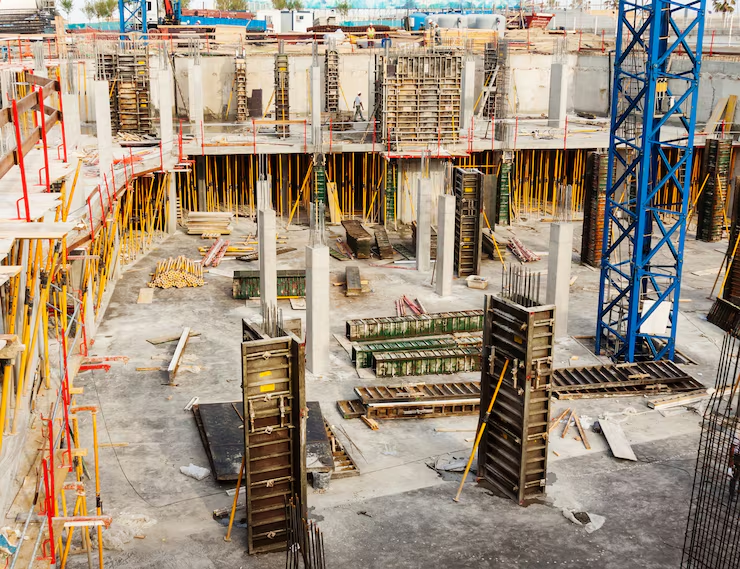
Building the foundations of business. Our commercial construction services deliver excellence on projects of every scale, from ground-breaking to completion.
Commercial Construction Services: A Practical Guide for Business Developments
Commercial Construction Services are essential for creating strong, functional, and compliant buildings used for business purposes. Whether developing offices, retail spaces, warehouses, or mixed-use properties, professional construction plays a critical role in ensuring safety, durability, and long-term usability.
This guide explains how commercial construction works, why it matters, and how proper planning and execution help businesses avoid unnecessary risks and expenses.
Understanding Commercial Construction Services
Commercial Construction Services involve planning, building, renovating, and maintaining non-residential structures. These projects differ significantly from residential work due to stricter regulations, larger project scopes, and more complex design and safety requirements.
Commercial buildings must support daily operations, meet legal standards, and remain efficient over time, making professional expertise essential from the earliest stages.
Types of Commercial Construction Projects
New Commercial Developments
New-build projects include offices, industrial units, hotels, and retail complexes. These developments require careful coordination between design teams, engineers, and construction professionals to ensure structural integrity and legal compliance.
Renovation and Refurbishment Projects
Many businesses choose to upgrade existing buildings instead of rebuilding. Renovation work may involve structural improvements, layout changes, or energy-efficiency upgrades that extend the building’s lifespan.
Interior Fit-Out Works
Fit-out projects focus on transforming empty or outdated interiors into functional working environments. This includes electrical systems, partitions, flooring, and finishing elements tailored to business needs.
Why Professional Commercial Construction Matters
Structural Safety and Compliance
Commercial buildings must meet strict safety standards, including fire protection, accessibility, and load-bearing requirements. Professional construction ensures these regulations are followed throughout the project lifecycle.
Efficient Use of Space
Well-planned construction supports better workflow, improved customer experience, and higher employee productivity. Smart layouts and quality materials contribute to smoother operations.
Long-Term Cost Control
High-quality construction reduces the likelihood of structural issues, frequent repairs, or early renovations, helping businesses manage costs more effectively.
Planning in Commercial Construction Services
Site and Feasibility Assessment
Every successful project begins with a thorough site assessment. Soil conditions, drainage, access points, and environmental factors all influence design and construction decisions.
Design Coordination
Architects and engineers work closely with contractors to ensure designs are practical, compliant, and cost-efficient. Early coordination helps prevent design conflicts during construction.
Avoiding Costly Construction Mistakes
Poor planning often leads to delays and budget overruns. Understanding how early-stage decisions can prevent expensive construction errors is crucial, as explained in this practical guide on avoiding common building mistakes, which strongly aligns with professional commercial construction planning.
Compliance and Regulations
Building Regulations and Standards
Commercial projects must comply with national and local building laws covering safety, energy performance, and accessibility. Failure to meet these standards can result in penalties or project delays.
Health and Safety Management
Construction sites involve multiple risks. Proper safety protocols, inspections, and workforce training help maintain safe working conditions throughout the project.
Sustainable Approaches in Commercial Construction
Energy-Efficient Design
Modern commercial buildings focus on reducing energy consumption through better insulation, ventilation systems, and lighting solutions. These measures lower operating costs while supporting sustainability goals.
Responsible Material Selection
Durable and sustainable materials improve building longevity and reduce environmental impact, making them a smart long-term investment.
Further insights into modern construction techniques and structural efficiency can be explored through professional resources that explain current best practices in commercial development, including detailed technical guidance on efficient building systems.
Technology in Commercial Construction Services
Digital Planning and Monitoring
Advanced planning tools and digital models help improve accuracy, scheduling, and coordination. These technologies reduce errors and support timely project completion.
Transparent Project Management
Clear communication and real-time progress tracking allow stakeholders to stay informed, improving trust and decision-making throughout the build.
Choosing the Right Construction Approach
Experience and Expertise
Experienced professionals understand regulatory requirements, technical challenges, and project coordination, leading to smoother execution and reliable outcomes.
Customised Solutions
Each commercial project has unique requirements. Tailored construction solutions ensure the building aligns with operational goals and future growth plans.
Conclusion
Commercial Construction Services form the backbone of successful business infrastructure. With proper planning, skilled execution, and compliance-focused practices, commercial projects can deliver safe, efficient, and long-lasting spaces. By prioritising quality and thoughtful design, businesses can create buildings that support growth, reduce long-term costs, and remain functional for years to come.