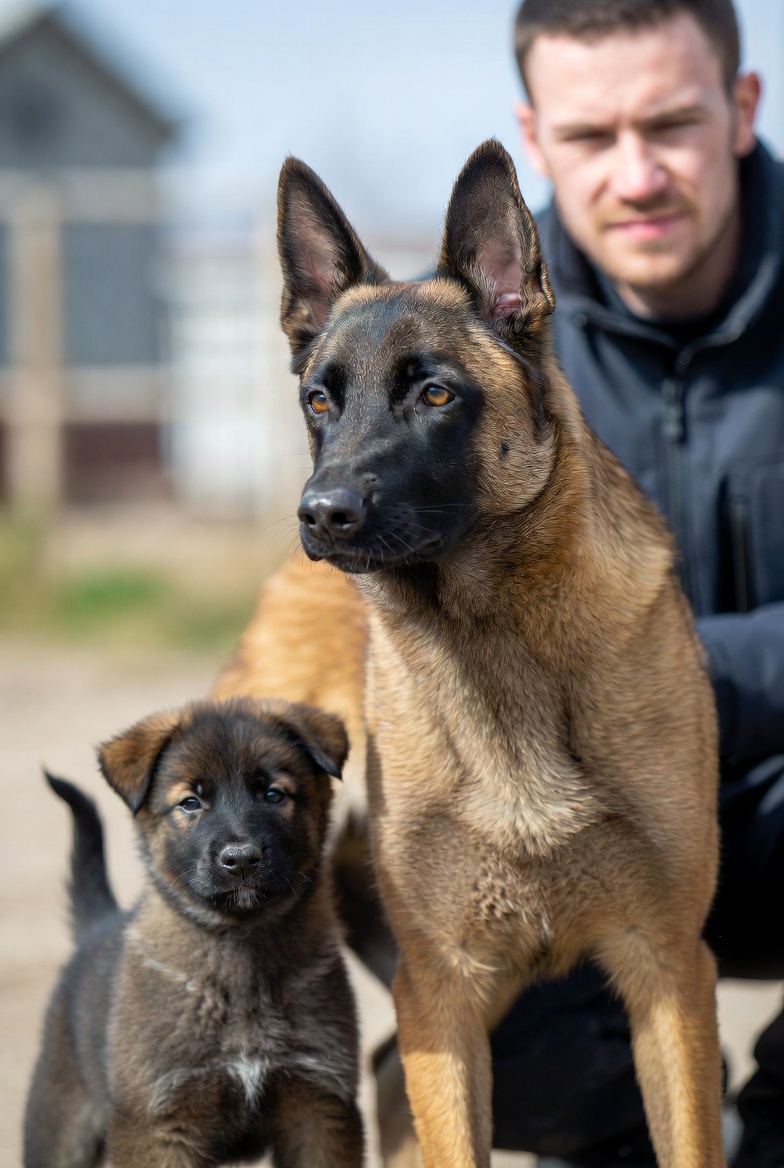
The decision to buy Belgian Malinois is exciting, but it requires careful consideration. Many potential owners underestimate the breed’s energy, intelligence, and drive. Without proper preparation, challenges in behavior and training frequently emerge. Working with professional Belgian Malinois trainers before acquisition ensures a smooth transition and long-term stability.
Belgian Malinois are purpose-driven dogs bred for endurance, focus, and responsiveness. Their working instincts remain present even in family or companion settings. Understanding this high-drive background is critical before making any commitment. Awareness reduces frustration for both dog and owner.
Understanding the Belgian Malinois Temperament
Belgian Malinois exhibit alertness, confidence, and high energy. These traits are functional, not flaws. Owners who misinterpret them may impose incorrect correction methods. Recognizing breed-specific tendencies is the first step toward responsible ownership.
Many challenges arise when owners expect a Malinois to behave like a typical pet dog. Their problem-solving ability and constant engagement can be overwhelming without structure. Early education and guidance are essential. Temperament awareness supports informed decisions.
The Role of Professional Belgian Malinois Trainers
Working with Belgian Malinois trainers provides critical insight into breed suitability. Trainers can assess energy levels, focus, and socialization needs. This evaluation helps match dogs to households or handlers. Experienced trainers prevent common ownership pitfalls.
Trainers also provide guidance on early handling and environmental adaptation. Their expertise ensures that both adult dogs and puppies adjust successfully. Professional support reduces behavioral risk. Their role is preventive rather than reactive.
Preparing Before You Buy a Belgian Malinois
Preparation extends beyond space and finances. Potential owners must evaluate time, experience, and lifestyle alignment. Malinois require daily mental stimulation and structured physical activity. Without planning, challenges often escalate.
Understanding training requirements is critical. Obedience, impulse control, and engagement routines must be established immediately. Advance planning with a Belgian Malinois trainer ensures clarity. Proper preparation supports a stable foundation.
Puppy Selection and Evaluation
Choosing the right puppy requires observation of temperament, drive, and confidence. High-drive puppies may be ideal for experienced handlers, while less intense individuals suit moderately active households. Assessing recovery from stress provides insight into resilience.
Genetic lineage influences behavioral tendencies. Puppies from working lines may require more stimulation. Early evaluation predicts long-term adaptability. Trainers can assist with assessments for informed selection.
Early Socialization and Training
Socialization is essential in the first months. Exposure to controlled stimuli helps puppies develop confidence. Training reinforces appropriate responses and behaviors. Structured guidance ensures emotional balance.
Obedience training begins immediately after acquisition. Puppies must learn basic commands, attention cues, and impulse control. Early intervention prevents problematic behavior. Trainers provide step-by-step methods to achieve consistency.
Behavioral Development Across Life Stages
Behavioral expectations shift from puppyhood to adolescence. Fear periods, boundary testing, and independence emerge naturally. Awareness of these changes prevents overreaction or misinterpretation.
Adult Malinois may present challenges related to energy and focus. Structured routines and consistent reinforcement maintain stability. Trainers provide strategies to navigate each developmental stage. Preparation ensures continuity of behavior management.
Environmental Suitability and Lifestyle Considerations
Malinois thrive in structured, predictable environments. Consistent routines for exercise, engagement, and rest are essential. Chaotic or unstructured households increase risk of stress or destructive behavior.
Daily engagement should combine physical activity with mental stimulation. Structured play, training exercises, and problem-solving activities are recommended. Environmental alignment with breed needs reduces frustration. Proper planning maximizes success.
Advanced Training and Functional Obedience
Beyond basic commands, functional obedience is essential. Malinois must respond reliably under distraction and in varied situations. Trainers teach advanced exercises to ensure control and safety.
Advanced training also includes impulse management and scenario-based exercises. Consistency and repetition solidify behavior. Functional obedience ensures dogs remain manageable in real-world environments. Trainers guide progressive skill development.
Common Misconceptions About Ownership
A common misconception is that Malinois are automatically obedient or easy to manage. Intelligence without guidance often leads to frustration. Another misconception is that professional trainers are optional. In reality, their involvement greatly reduces risk.
Ownership requires commitment, education, and realistic expectations. Misunderstanding breed needs is a leading cause of rehoming. Professional advice supports ethical and informed decisions. Awareness prevents regret.
Long-Term Commitment and Maintenance
Malinois are a long-term responsibility. Consistent reinforcement, continued training, and lifestyle alignment remain essential. Neglecting maintenance leads to regression. Commitment ensures stability and reliability.
Trainers can provide refresher programs for adult dogs. Adjusting routines over time maintains performance. Long-term planning prevents burnout for both dog and handler. Maintenance is an ongoing process.
Ethical Responsibility in Acquisition
Responsible ownership includes honest evaluation of capability. Impulsive decisions to buy Belgian Malinois often lead to mismatch and frustration. Ethical ownership considers both dog welfare and handler preparedness.
Professional guidance from Belgian Malinois trainers reduces negative outcomes. They ensure that the dog’s abilities and the owner’s environment are compatible. Ethical decisions enhance safety and sustainability. Transparency is crucial.
Conclusion
Deciding to buy Belgian Malinois requires preparation, evaluation, and ongoing commitment. Working with experienced Belgian Malinois trainers ensures proper training, behavior assessment, and long-term success. With careful planning and professional guidance, this intelligent, high-drive breed can thrive in structured, engaged households, creating a safe and balanced relationship for both dog and owner.