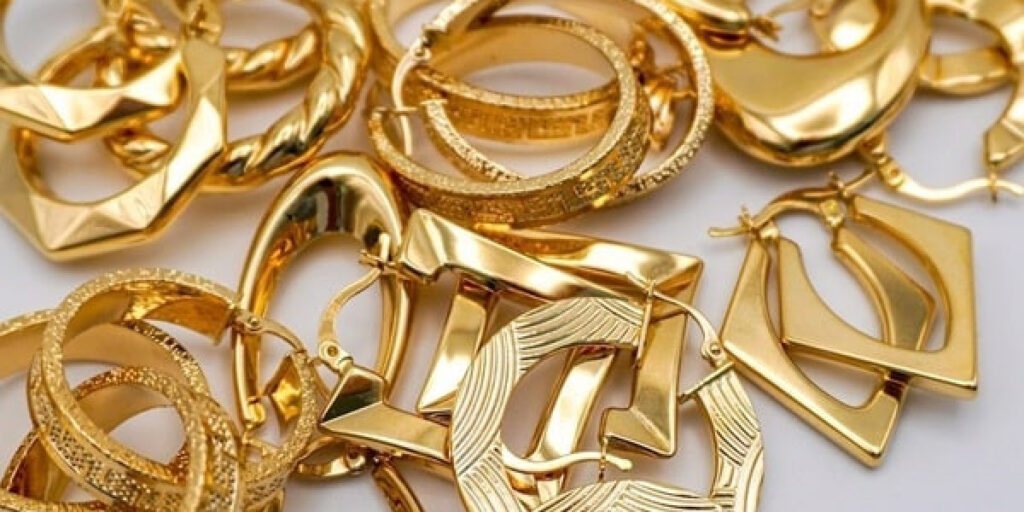
Understanding the Dynamics of Gold Cost in Nigeria
The Gold cost in Nigeria is influenced by a unique combination of economic factors and cultural traditions. Unlike in some countries where pricing is strictly determined by global market rates, Nigeria’s gold market reflects the intricate interplay between demand, societal practices, and regional buying patterns. Gold cost in Nigeria is not only affected by supply and international market trends but also by local customs, religious practices, and traditional ceremonies that heavily rely on gold as a symbol of wealth and social status.
Gold has historically been a significant part of Nigerian culture, with its use in weddings, coronations, and festivals. The demand for gold during these cultural events often results in fluctuations in the gold cost in Nigeria, especially in urban areas where affluent populations frequently purchase jewelry for celebrations. Furthermore, the Nigerian gold market is largely informal, with small-scale traders playing a critical role in setting prices. These traders adjust the gold cost in Nigeria based on the intensity of cultural demand, making it a unique market compared to standardized global pricing.
How Traditions Influence Gold Price in Nigeria
The gold price in Nigeria is deeply rooted in cultural customs and societal norms. Gold is considered a traditional store of value, symbolizing prosperity, power, and prestige in many Nigerian communities. For instance, during marriage ceremonies, it is common for families to invest in substantial amounts of gold jewelry for the bride and groom. This cultural practice significantly impacts the gold price in Nigeria, often pushing prices higher during peak wedding seasons.
In addition, festivals and religious celebrations also affect the gold price in Nigeria. During periods of heightened cultural significance, such as Eid or Christmas, people tend to purchase gold gifts and ornaments, leading to temporary increases in local prices. The gold price in Nigeria also varies regionally due to the differences in traditional practices across states. Southern regions with higher urbanization and wealth concentration may experience higher gold prices in Nigeria compared to northern regions, reflecting the socio-cultural factors influencing the market.
Market Mechanisms Behind 18 Carat Gold Price in Nigeria
The 18 carat gold price in Nigeria is determined not only by global gold valuations but also by local market conditions and cultural demand. Gold value in Nigeria is commonly preferred for jewelry due to its balance of purity and durability, making it a culturally favored choice for gifts, dowries, and personal adornments. This preference ensures that the 18 carat gold price in Nigeria remains sensitive to cultural trends.
Local jewelers and gold traders often adjust the 18 carat gold price in Nigeria based on the purchasing power of communities and the frequency of cultural events. For example, during traditional festivals or high-demand wedding seasons, the 18 carat gold price in Nigeria tends to spike due to the rush of buyers seeking gold for ceremonial purposes. Moreover, the importation costs, taxes, and currency fluctuations also affect the 18 carat gold price in Nigeria, but cultural demand is a unique variable that adds a distinct layer to price determination in the Nigerian market.
Factors Affecting Gold Price per Gram in Nigeria Today
The gold price per gram in Nigeria today is the most immediate reflection of both global trends and local cultural influences. Investors, traders, and consumers often monitor the gold price per gram in Nigeria today to make informed purchasing decisions. Cultural activities, such as marriages, festivals, and religious ceremonies, play a pivotal role in increasing short-term demand, thereby affecting the gold price per gram in Nigeria today.
Economic conditions, such as inflation rates, exchange rates, and the strength of the Nigerian naira, interact with cultural demand to influence the gold price per gram in Nigeria today. In communities where gold carries symbolic significance, demand can surge, resulting in noticeable fluctuations. Additionally, the gold price per gram in Nigeria today is impacted by government regulations on gold importation and local trading policies, which often intersect with cultural consumption patterns, creating a market that is dynamic and culturally sensitive.
Cultural Demand and Its Effect on Pricing
Cultural demand is a primary driver of the gold price per gram in Nigeria today. In regions where gold is traditionally seen as a symbol of wealth and status, people prioritize gold purchases for social functions. This elevated cultural value contributes to higher retail and wholesale rates, which directly influence the gold price per gram in Nigeria today. Local jewelers often adjust their margins in anticipation of these cultural buying trends, ensuring that gold remains both a commodity and a status symbol.
Role of Seasonal Festivals
Seasonal festivals also dictate variations in the gold price per gram in Nigeria today. During holidays and significant cultural events, families and communities increase gold purchases for gifts, ornaments, and ceremonial decorations. This surge in demand affects pricing at both retail and wholesale levels, reflecting how intertwined culture and economics are in determining the gold price per gram in Nigeria today.
FAQs About Gold in Nigeria
What determines the gold cost in Nigeria? The gold cost in Nigeria is influenced by global gold rates, local demand, cultural traditions, import taxes, and economic conditions such as inflation and currency exchange rates.
Why is the gold price in Nigeria affected by culture? Cultural events, ceremonies, and traditional practices create significant demand for gold, impacting the gold price in Nigeria. Weddings, festivals, and religious celebrations often lead to temporary price surges.
Which type of gold is most popular in Nigeria? 18 carat gold is widely preferred due to its balance of purity and durability, making the 18 carat gold price in Nigeria a key benchmark in the market.
How can I track the gold price per gram in Nigeria today? Regular monitoring of local jewelers, trading platforms, and economic news helps track the gold price per gram in Nigeria today, which reflects both market and cultural influences.
Does cultural significance make gold more expensive in Nigeria? Yes, cultural value adds a premium to gold, as social practices and traditions often dictate higher demand and willingness to pay, directly affecting the gold cost in Nigeria and the gold price in Nigeria.
Conclusion
The cultural impact on gold cost in Nigeria is undeniable. From traditional ceremonies to religious festivals, the demand for gold is heavily intertwined with societal practices. This cultural significance affects not only the gold cost in Nigeria but also the gold price in Nigeria, the 18 carat gold price in Nigeria, and the gold price per gram in Nigeria today. Understanding these cultural and economic interactions is essential for anyone looking to engage with the Nigerian gold market, whether for investment, trade, or personal purchases. Ultimately, the gold cost in Nigeria reflects a unique blend of tradition, status, and market dynamics, making it a culturally enriched and economically intriguing commodity.