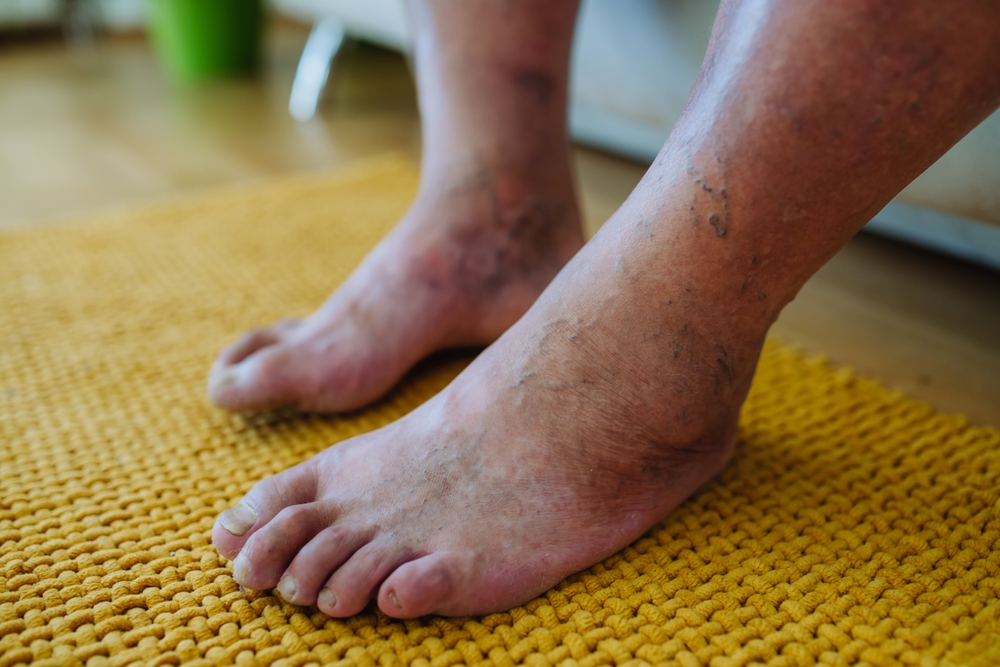
Non-Diabetic Foot Ulcer
Foot ulcers are often associated with diabetes, but many people are surprised to learn that they can also occur in individuals who do not have diabetes. These open sores on the feet can be painful, slow to heal, and serious if not treated properly. Understanding how non diabetic foot ulcers form and who is most likely to develop them can help with early detection and better prevention. Many people first notice symptoms of Non-Diabetic foot ulcers, such as redness, swelling, skin breakdown, or drainage, without realizing how quickly these wounds can worsen if ignored.
Foot ulcers in non diabetic individuals usually develop because of pressure, poor circulation, nerve damage, or skin injury. When these factors come together, even a small cut or blister can turn into a chronic wound that refuses to heal.
What Are Non Diabetic Foot Ulcers
A non diabetic foot ulcer is an open sore or wound that appears on the foot of a person who does not have diabetes. These ulcers typically develop on areas that bear pressure, such as the bottom of the foot, the heel, or the toes. They can also form along the sides of the foot or around the ankles.
These ulcers may begin as minor skin damage but progress when the skin does not heal properly. Without treatment, they can become infected and lead to serious complications, including damage to deeper tissues and bones.
How Foot Ulcers Develop Without Diabetes
Foot ulcers do not require diabetes to form. Several other conditions and lifestyle factors can weaken the skin and reduce its ability to heal. When the skin breaks down and blood flow is limited, wounds become chronic.
Pressure and Friction
One of the most common causes of foot ulcers is constant pressure or rubbing. Poorly fitting shoes, walking abnormalities, and foot deformities can place stress on certain areas of the foot. Over time, this repeated pressure damages the skin and underlying tissues.
Calluses and thickened skin can form in these areas. Beneath these calluses, small wounds can develop that are not easily noticed. If pressure continues, the wound can open up and turn into an ulcer.
Poor Blood Circulation
Healthy blood flow is essential for wound healing. When circulation to the feet is reduced, the skin does not receive enough oxygen and nutrients to repair itself. This makes even small injuries slow to heal.
Conditions such as peripheral artery disease, heart disease, and smoking can reduce blood flow to the feet. People with poor circulation are at a much higher risk of developing foot ulcers.
Nerve Damage
Nerve damage, also known as neuropathy, is commonly linked to diabetes, but it can occur for other reasons as well. Alcohol use, vitamin deficiencies, infections, and certain medications can damage nerves in the feet.
When nerves are damaged, a person may not feel pain, heat, or pressure properly. This means injuries can go unnoticed. A blister, cut, or burn can worsen without the person realizing it, leading to ulcer formation.
Skin Breakdown and Trauma
Dry skin, cracked heels, and fungal infections can weaken the natural barrier of the skin. Once the skin is compromised, bacteria can enter and create an infection.
Even a small injury like stepping on a sharp object or scraping the foot can lead to an ulcer if healing is slow.
Who Is at Risk for Non Diabetic Foot Ulcers
Anyone can develop a foot ulcer, but some people are at a much higher risk than others. Knowing these risk factors can help with prevention and early treatment.
People With Circulation Problems
Individuals with conditions that reduce blood flow to the legs and feet are especially vulnerable. This includes people with peripheral artery disease, high blood pressure, or a history of heart disease.
Poor circulation makes it harder for wounds to close and increases the risk of infection.
Older Adults
As people age, their skin becomes thinner and more fragile. Healing also slows down. Older adults may also have balance problems or vision issues that increase the chance of foot injuries.
These factors make foot ulcers more likely in the elderly population.
People With Foot Deformities
Bunions, hammertoes, flat feet, and high arches can change how weight is distributed across the foot. This can create pressure points that are more likely to break down.
When shoes do not fit properly, these deformities can rub against footwear and cause skin damage.
Those With Nerve Disorders
People with neuropathy from non diabetic causes are at high risk. Since they may not feel pain properly, injuries can go unnoticed and untreated.
This silent damage is one of the biggest contributors to chronic foot ulcers.
Smokers
Smoking damages blood vessels and reduces oxygen delivery to tissues. This greatly slows wound healing and increases the risk of ulcers becoming infected.
Smokers are more likely to develop circulation problems that affect the feet.
Common Signs and Symptoms to Watch For
Recognizing early signs of foot ulcers can prevent serious complications. Some of the most common warning signs include:
- Red or swollen areas on the foot
- Thickened skin or calluses
- Cracks in the skin or heels
- Drainage or pus from a wound
- A sore that does not heal
- Foul odor from the foot
If any of these symptoms appear, it is important to seek medical care right away.
Why Non Diabetic Foot Ulcers Can Be Dangerous
Foot ulcers may seem minor at first, but they can quickly become serious. Open wounds allow bacteria to enter, which can lead to infection. If infection spreads to deeper tissues or bone, it can become life-threatening.
In severe cases, untreated ulcers can result in tissue death and may require surgery. This is why early detection and proper care are essential.
How Non Diabetic Foot Ulcers Are Treated
Treatment focuses on removing pressure from the wound, controlling infection, and improving blood flow. The specific approach depends on the cause and severity of the ulcer.
Wound Care
Cleaning the wound and removing dead tissue helps promote healing. Dressings are used to keep the area moist and protected.
Reducing Pressure
Special shoes, insoles, or braces may be used to take pressure off the affected area. This allows the skin to heal without constant irritation.
Improving Circulation
If poor blood flow is a factor, doctors may recommend treatments to improve circulation. This could include medications, lifestyle changes, or, in some cases, medical procedures.
Treating Infection
If infection is present, antibiotics may be prescribed. Severe infections may require more advanced care.
Preventing Non Diabetic Foot Ulcers
Prevention is always better than treatment. Simple habits can greatly reduce the risk of developing foot ulcers.
- Check your feet daily for cuts or changes
- Keep skin clean and moisturized
- Wear well-fitting shoes
- Avoid walking barefoot
- Manage health conditions that affect circulation
- Stop smoking
These steps can go a long way in keeping your feet healthy.
Read Also: How to Manage Gout Between Flares: A Guide to the Intercritical Phase
Conclusion
Non diabetic foot ulcers develop when pressure, poor circulation, nerve damage, and skin breakdown combine to prevent proper healing. People with circulation issues, foot deformities, nerve disorders, and advanced age are especially at risk. Recognizing the early signs and seeking prompt treatment can prevent serious complications and protect long-term foot health.
As medical research continues to advance, treatments for foot ulcers are becoming more effective. Even though this article focuses on non-diabetic ulcers, progress in areas like new diabetic foot ulcer treatment is helping improve wound care for all patients. With better therapies and increased awareness, the outlook for people suffering from foot ulcers continues to improve.