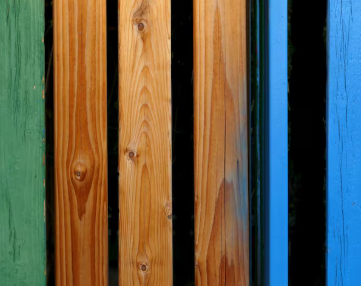
If you’ve spent any time building, remodeling, or fixing things around Houston, you already know this: materials matter more here. Heat. Humidity. Flooding. Shifting soil. All of it beats up wood faster than people expect. That’s why choosing the right hardwood lumber houston isn’t just about looks. It’s about survival.
I’ve seen decks warp within a year. Fence posts rot at the base. Bulkheads fail way sooner than they should. Most of the time, it wasn’t bad labor. It was the wrong material choice from the start.
Let’s talk honestly about hardwood lumber, bulkhead material, and how to avoid costly mistakes in Houston’s tough environment.
Why Houston Is Hard on Wood (No Sugarcoating)
Houston weather doesn’t play nice. You get:
- Long, brutal summers
- Heavy rain and sudden flooding
- High moisture almost year-round
- Termites that never take a break
Softwoods can work in some cases, sure. But if you’re building anything structural, load-bearing, or water-adjacent, hardwood is usually the smarter call.
Hardwood lumber Houston builders rely on tends to be denser, stronger, and more resistant to wear. It doesn’t mean it’s indestructible. Nothing is. But it buys you time. And peace of mind.
What Counts as “Hardwood Lumber” in Real Life
Hardwood doesn’t just mean “fancy wood.” It refers to lumber from deciduous trees, and in construction terms, it usually means stronger, tighter-grained material.
Common hardwood lumber used around Houston includes:
- Oak
- Ash
- Mahogany
- Ipe
- Apitong
Each has its place. Some are better for decking. Others shine in marine or industrial use. Apitong, for example, is popular for heavy-duty applications like truck decking and bulkhead material.
Not every project needs premium hardwood. But when failure isn’t an option, hardwood starts making a lot more sense.
Hardwood Lumber Houston Builders Trust for Outdoor Projects
Outdoor projects are where hardwood really earns its keep.
Decks and Docks
Hardwoods like Ipe or Mahogany resist moisture and insects far better than standard treated pine. They cost more upfront, yes. But they last longer. Way longer.
Fencing and Gates
Hardwood posts don’t give up as fast in wet soil. That matters when half your fence line turns into a swamp after heavy rain.
Structural Framing
In certain applications, hardwood provides strength where softwood just feels sketchy over time.
Houston contractors who’ve been burned once usually don’t repeat the mistake.
Bulkhead Material: Where Quality Really Shows
If there’s one place you do not want to cut corners, it’s bulkheads.
Bulkheads are constantly fighting water pressure, soil movement, and rot. Cheap lumber might look fine on install day. Give it a few years. Then you’ll see leaning walls, erosion, and expensive repairs.
High-quality bulkhead material made from hardwood or marine-grade lumber holds up better against:
- Constant moisture
- Ground pressure
- Marine organisms
- Long-term exposure
Apitong hardwood is commonly used here for a reason. It’s dense. Heavy. Tough. Not fun to work with, but that’s kind of the point.
Hardwood vs Treated Lumber for Bulkheads
People ask this all the time. Treated pine or hardwood?
Here’s the blunt truth.
Treated lumber works for some bulkheads, especially smaller residential ones. But treatment doesn’t stop physical wear. It slows rot. That’s it.
Hardwood bulkhead material brings natural strength and density that treatment alone can’t match. When bulkheads fail, it’s often because the wood just couldn’t handle the pressure anymore.
If the bulkhead protects a home, dock, or waterfront property, hardwood is usually the safer bet.
Cost Talk: The Part Everyone Avoids
Hardwood costs more. Let’s not pretend otherwise.
But here’s the math people forget to do:
- Initial cost vs replacement cost
- Maintenance over 5–10 years
- Labor costs for repairs
- Damage from failure
Replacing a failed bulkhead or deck costs a lot more than upgrading lumber at the start. Hardwood lumber Houston suppliers carry isn’t cheap, but neither is redoing the job twice.
Pay once. Or pay again later.
Picking the Right Supplier Matters More Than the Wood Itself
You can buy good hardwood and still lose if it’s poorly sourced or improperly stored.
Houston humidity can ruin lumber before it even gets installed. Warping, moisture imbalance, hidden defects. All real problems.
A reliable supplier understands:
- Local climate conditions
- Proper storage and handling
- Which hardwoods perform best here
- How to guide customers honestly
That guidance matters, especially if you’re not a full-time builder.
Common Mistakes People Make with Hardwood Lumber
I’ve seen these over and over:
- Choosing hardwood for looks, not function
- Skipping sealing or finishing steps
- Mixing incompatible materials
- Using indoor-grade hardwood outdoors
- Buying from sellers who don’t know Houston conditions
Hardwood isn’t magic. It still needs proper installation and maintenance. Done wrong, even great lumber fails.
Maintenance: Hardwood Isn’t Set-and-Forget
Yes, hardwood lasts longer. No, you can’t ignore it forever.
Outdoor hardwood needs:
- Occasional cleaning
- Proper sealing or oiling
- Inspections for movement or cracking
The good news? Maintenance intervals are usually longer than softwood. And issues show up slower.
That alone saves headaches.
When Hardwood Is Worth It (And When It’s Not)
Hardwood lumber in Houston makes sense when:
- The structure is load-bearing
- It’s exposed to water or moisture
- Longevity matters more than upfront cost
- Replacement would be expensive or disruptive
Hardwood might be overkill for:
- Temporary builds
- Interior projects with no stress
- Budget-only DIY work
It’s about matching material to reality, not wishful thinking.
FAQs
1. What is the best hardwood lumber Houston builders use for outdoor projects?
Ipe, Mahogany, and Apitong are popular. The “best” depends on use. Decking and bulkheads don’t need the same wood.
2. Is hardwood better than treated lumber for bulkheads?
In many cases, yes. Hardwood bulkhead material offers greater density and strength, which matters under constant pressure.
3. Does hardwood lumber require special maintenance in Houston?
Not special, but consistent. Sealing and inspections go a long way in this climate.
4. Why does hardwood cost more than softwood?
Growth time, density, sourcing, and durability. You’re paying for strength and lifespan, not just wood.
Final Word.
Houston isn’t forgiving. If you’ve lived or worked here long enough, you already know that. The wrong lumber choice can cost you years and a lot of money.
Hardwood lumber Houston professionals trust exists for a reason. Same goes for high-quality bulkhead material. It’s not about luxury. It’s about durability.
If you’re serious about building something that lasts in this climate, start with the right materials from people who actually understand Houston conditions.