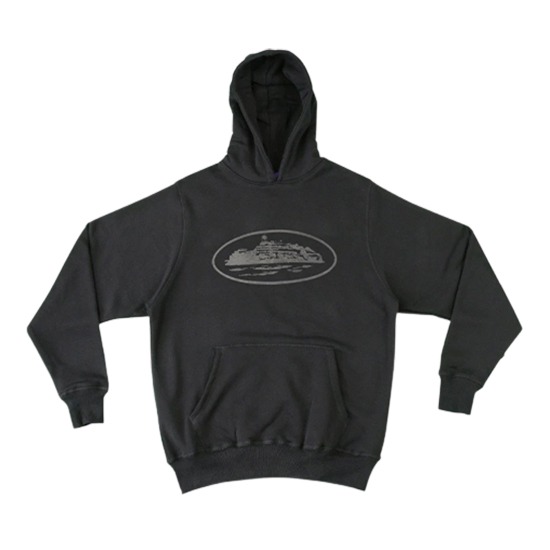
corteiz
Streetwear no longer lives only in fashion circles. It now shapes music, language, identity, and community. One brand sits at the centre of this shift and sparks conversations across cities and social platforms. Corteiz stands as more than a clothing label. It operates as a movement that connects youth culture, rebellion, and authenticity. This article explains why people view this brand as a true cultural phenomenon and how it continues to reshape modern streetwear.
The Rise of a Brand Built on Authenticity
Modern consumers value honesty and originality more than polished marketing. Corteiz entered the scene with a raw, unfiltered approach that spoke directly to the streets. The brand rejected traditional advertising and relied on word-of-mouth, social buzz, and organic loyalty. This strategy created a sense of exclusivity while maintaining authenticity. The founder built the label around real experiences rather than trends. Every release reflected personal vision and cultural awareness. Fans connected with this honesty because it mirrored their own lives. That emotional bond transformed customers into supporters and supporters into a community.
Community Over Consumers
Most fashion brands focus on sales numbers. Corteiz focused on people. The brand created a strong sense of belonging by treating supporters as insiders. Pop-up events, secret drops, and password-protected releases rewarded loyalty and curiosity. This approach encouraged participation rather than passive buying. Supporters felt involved in something bigger than clothing. They shared content, discussed drops, and built friendships around the brand. That community-first mindset pushed the label beyond fashion and into cultural relevance.
Streetwear as a Form of Expression
Streetwear has always served as a voice for youth. Corteiz amplified that voice by embracing rebellion and independence. The brand challenged authority, questioned norms, and promoted self-belief. Each design carried a message that encouraged wearers to stand apart rather than blend in. P eople did not just wear the clothes for style. They wore them to express their values and attitude. This emotional connection elevated the brand from a trend to a symbol of identity.
The Power of Scarcity and Desire
Limited availability fuels desire. Corteiz mastered this principle by controlling supply without overexposure. Small drops created urgency and excitement. Fans stayed alert and engaged because they never knew when the next release would arrive. This strategy also protected brand value. Items never felt overproduced or disposable. Each piece carried weight and meaning. Scarcity turned every release into an event, reinforcing the brand’s cultural impact.
Influence on Music and Urban Culture
Music and fashion often move together. Corteiz gained visibility through organic connections with artists rather than paid endorsements. Rappers and creatives wore the brand because they genuinely respected it. That authenticity resonated with fans. Urban culture embraced the brand as part of its lifestyle. Lyrics, visuals, and street imagery often featured the clothing. This natural integration strengthened the brand’s cultural presence without forcing promotion.
Design That Tells a Story
Strong design does more than look good. Corteiz uses graphics, slogans, and silhouettes that communicate purpose. Every piece feels intentional and rooted in street culture. Collections often reference struggle, ambition, and unity. These themes connect deeply with young audiences who face social and economic challenges. Clothing becomes a conversation starter rather than a fashion statement alone.
Breaking Traditional Fashion Rules
Fashion houses often follow predictable rules. Corteiz disrupted that system by ignoring industry standards. The brand skipped fashion weeks, avoided retail partnerships, and controlled its narrative. This independence inspired other emerging labels. It proved that success does not require approval from traditional gatekeepers. That rebellious spirit strengthened the brand’s reputation as a leader rather than a follower.
The Role of Digital Culture
Social media accelerated the brand’s growth. Corteiz used digital platforms as tools for storytelling rather than advertising. Cryptic posts, surprise announcements, and direct engagement kept audiences invested.S upporters shared content voluntarily because they felt part of the journey. This organic reach built trust and credibility. Digital culture allowed the brand to grow globally while maintaining underground appeal.
Pull Essentials and Everyday Identity
Every cultural brand needs accessible pieces that anchor its identity. Pull Essentials play that role by offering wearable staples that fit daily life. These items balance comfort and style while carrying the brand’s core values. Fans rely on these essentials to express identity without excess. The simplicity allows the message to shine through. This balance between statement pieces and everyday wear strengthens long-term relevance.
Youth Empowerment and Representation
Young people seek brands that reflect their realities. Corteiz represents ambition, resilience, and self-made success. The brand celebrates independence and encourages individuals to trust their vision.T his message resonates strongly with marginalised communities. Representation feels genuine rather than performative. That trust builds loyalty and emotional investment, which fuels cultural longevity.
Global Reach Without Losing Roots
Expansion often dilutes identity. Corteiz avoided that trap by staying rooted in its origins. The brand expanded globally while preserving its voice and values. International fans connected with the authenticity because it felt real. Cultural specificity did not limit appeal. Instead, it created intrigue and respect across borders.
More Than Fashion, a Movement
A cultural phenomenon influences behaviour, language, and mindset. Corteiz [12] achieved that status by standing for something beyond profit. The brand encourages confidence, unity, and self-expression. People do not just buy clothing. They align with an idea. That alignment transforms a brand into a movement that shapes culture rather than follows it.
This brand earned its cultural status through authenticity, community, and fearless independence. It connected fashion with identity and turned clothing into a symbol of belief. By prioritising people over products and meaning over marketing, it reshaped modern streetwear culture. That impact explains why the brand continues to influence youth, music, and urban life worldwide.