Waterfront living offers a special kind of freedom. The sound of water, open views, and easy access to boating or relaxation create an atmosphere that feels both calming and energizing. A well-built dock becomes the heart of that experience, connecting people to the water safely and comfortably. When Dock installation follows modern techniques, it delivers durability, stability, and long-term value that traditional methods often struggle to match.
Today’s waterfront projects also reflect advancements in Marine Construction, blending smart engineering with environmental awareness and efficient materials. These innovations help docks withstand changing water levels, weather exposure, and heavy use without constant repairs. Understanding how modern techniques improve performance empowers property owners to make informed decisions that protect their investment and enhance daily enjoyment.
How Docks Stay Stable
Starting solid means everything when it comes to docks. What lies beneath the surface – like dirt type, how deep the water runs, waves’ habits, along with whether the edge holds firm – affects lasting performance. Skip checking those things? Expect wobbles, misalignment, even danger down the line. Today’s planning leans on exact numbers plus nature’s rhythm so structures move with their environment instead of resisting it.
Now workers install docks by planning for change. Because the base moves slightly without losing power, pressure spreads out instead of building up somewhere. That mix means less fixing over time plus longer use, even when seasons shift or water rises and falls.
Advanced Surveying and Planning Methods
What makes a waterfront effort work well begins long before construction. Out along the edge, modern measuring gear records precise shapes of coastlines, what lies beneath the water, also how sand and muck are layered below. With these details clear, engineers sketch layouts – where things go, how far apart, how they hold fast – all shaped by actual site traits.
Out of today’s builds, quite a few take cues from shifting norms in Marine Construction – ones leaning hard on data and sharp models. Because of that shift, hunches fade. Mistakes during building shrink. How well things hold up over years? Easier to see ahead. With tighter plans, what gets built isn’t just smart under the hood – it works better once it’s done.
Innovative Materials Enhance Durability
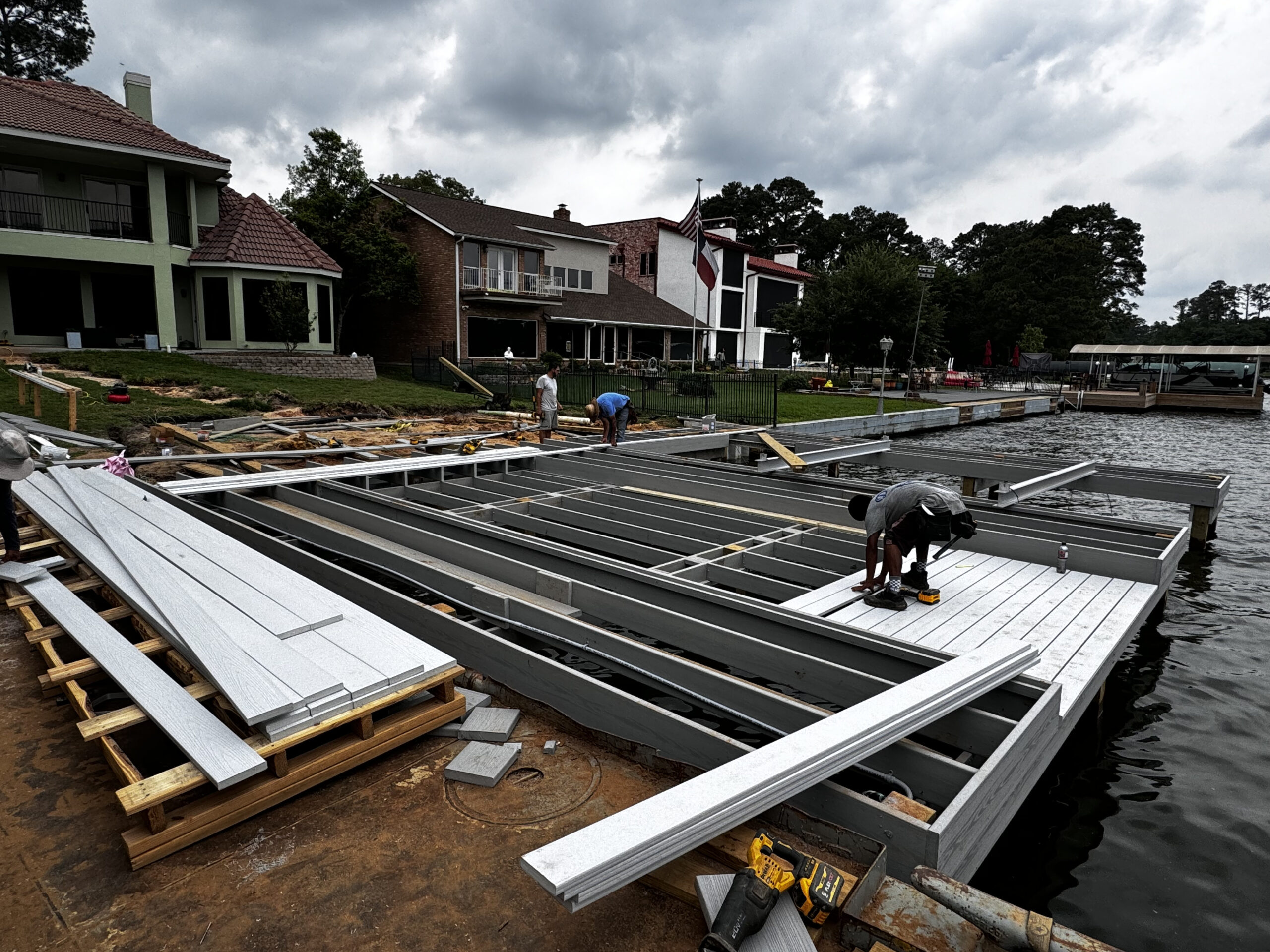
Out on the docks, new materials are changing how things get built near water. Even after years outside, composite planks still look fresh – no rotting, no warping, bugs leave them alone too. Lightweight yet tough, aluminum frames hold up when wet air tries to eat through metal. Pick the right wood, seal it well, and treated lumber brings a natural feel that fits just about anywhere.
Some docks mix different materials instead of using just one. By doing so, looks meet durability without spending too much. Where conditions match material choices, damage slows down naturally. Over time, that means less fixing and better performance overall.
Design That Respects Nature
Fresh thinking shapes how we build near water. Where work happens by rivers or shores, choices matter more than ever. Moving earth without care risks unseen harm below the surface. Today’s way of working leans on gentle techniques instead. Structures go up while leaving room for life to move as it always did.
A fresh mindset shapes how docks go up along the coast. Placing them right matters more than people think. Materials move carefully, never dumped or left loose. Water flows freely because drains work well on purpose. Clean waves stay clean when runoff gets managed smartly. The land by the sea holds firm under smart layouts. Strength does not mean harm if built with care. Nature keeps working smoothly near these structures. People still use the space without breaking what lives below. Design that listens to nature fits better over time.
Precision Anchoring and Structural Alignment
Floating docks stay steady because of how they’re held in place – movement, water rise and load changes test their grip. Today’s setups use deep-set posts hammered straight, heavy-duty joints strengthened against strain, plus beams that shift slightly yet hold firm when needed. When everything lines up just right, the platform stays flat and safe, season after season.
Starting off right means getting every piece lined up just so, step by step. When things are secured well at first, everything holds up better over time. Stability matters because it keeps people safe while moving around. Year after year, solid setup makes entry and exit flow without hiccups.
Combining floating and fixed setups intelligently
Floating setups handle shifting waters smoothly – ideal where levels change often. Fixed frames stay firm under big weights, giving steady entry every time. When settings call for flexibility, newer builds mix both methods without fuss. Complexity fades when form follows function.
Water moves, people use it differently over time, shorelines shift – those things shape how structures respond. Some parts float, others stay put; mixing them helps handle summer crowds or winter ice just fine. Designs change with the seasons because stiff alone won’t work, nor will drifting freely. Safety stays high when balance is built right into the setup.
Maintenance-Friendly Construction Techniques
A dock’s long-term function ties closely to maintenance ease. When surfaces stay slick, gunk has a harder time sticking around. Coatings that shield the structure help it last longer under stress. Inspection becomes quicker when access points are open and clear. Fewer delays show up during care routines thanks to smart layout decisions. Costs drop because less labor fills the schedule. Wear fades slower, looks hold up better, risks slip behind. Design shapes durability without calling attention.
A dock built with care plans for upkeep right from the start. Quick fixes by owners stop little problems turning into big costs. Acting early keeps things running well over time. Money spent at first pays off later.
Designs That Change When Needed
Floating homes shift with the years. As pastimes transform, gear gets updated, spaces gain new roles – flexible docks move alongside. Built-in room to grow means changes happen piece by piece, never needing a full overhaul. Sections that connect easily stay strong even when reworked again and again.
Fresh ideas pulled from building things at sea lead to smarter choices today. Built-in flexibility means the structure keeps working well far into tomorrow. Shifts in how people use it won’t make it obsolete. Right now matters just as much as what comes later. Change isn’t resisted – it’s expected.
Conclusion
Waterfront designs today show what happens when smart engineering meets new materials and care for nature. Because installation uses updated methods, docks stay steady, look good, even when weather shifts. Since marine building knowledge is built in, they last longer, work better over time, handle different needs. When plans are clear and work is done well, a dock does more than just reach the water. What begins as wood and metal turns into something trusted, enjoyed every day, holding value while life changes around it.
Frequently Asked Questions
What is the usual lifespan of today’s docking stations?
A dock today might last many years when built right. Good parts matter most. How it goes together shapes how long it holds up. Care over time keeps things working smooth. Skip the upkeep, problems creep in faster.
What factors influence dock stability the most?
What keeps things stable over time? It comes down to how deep the anchor goes, what the ground is like, how water moves around, along with choosing the right materials.
Water rises and falls – do today’s docks handle that shift smoothly?
Floating parts move with the waves, so docks rise and fall without stress. These setups handle shifting levels smoothly throughout the seasons.
Why is maintenance planning important from the beginning?
Ahead of schedule prep makes checkups easier while cutting down on fix expenses. Appearance stays sharp, function holds strong – thanks to timing that works smarter. Longevity leans on starting sooner rather than later.