In the modern construction and architectural landscape, precision, efficiency, and comprehensive data capture are more critical than ever. Traditional surveying methods, while reliable, often struggle to meet the demands of large-scale or complex projects, leading to delays, inaccuracies, and higher costs. Laser scanning has emerged as a transformative solution, providing high-resolution, three-dimensional data that enables professionals to map and analyze physical spaces with exceptional detail. This technology not only streamlines measurement and documentation processes but also enhances collaboration among architects, engineers, and contractors by offering a shared, accurate digital representation of sites.
From new construction to renovations and heritage preservation, this scanning supports decision-making at every stage, minimizes errors, and improves project outcomes. Its ability to produce precise, actionable insights makes it an indispensable tool for construction teams striving for efficiency, safety, and long-term operational excellence.
Key Techniques in Laser Scanning for Accurate 3D Data
Understanding the various laser scanning techniques is essential for capturing precise, high-resolution 3D data across different project types.
- Terrestrial Laser Scanning (TLS):
Terrestrial Scanning involves stationary scanners positioned on tripods to capture the geometry of buildings or landscapes. It produces high-density point clouds that detail structural features, surfaces, and edges with millimeter-level precision. TLS is particularly effective for large-scale projects like commercial buildings or urban planning initiatives, ensuring comprehensive spatial documentation.
- Mobile Laser Scanning (MLS):
Mobile systems mounted on vehicles or drones enable rapid data capture across extended areas. This technique is ideal for scanning roads, infrastructure networks, and large building exteriors, reducing time on site without compromising accuracy. MLS integrates sensors and GPS to generate georeferenced 3D models that are immediately actionable for analysis.
- Handheld and Portable Scanning Devices:
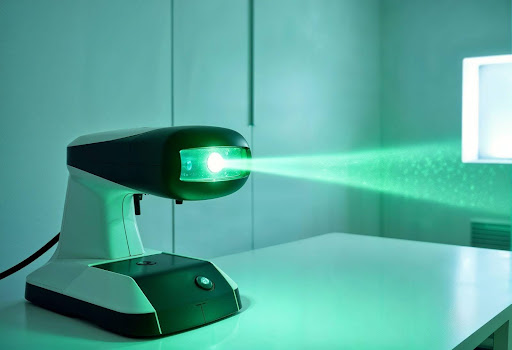
Handheld scanners offer flexibility for interior surveys and hard-to-reach areas where traditional setups are impractical. They are lightweight and easy to operate, allowing teams to perform high-precision scans of interiors, mechanical systems, or heritage buildings with minimal setup time. These devices are increasingly popular in renovation and retrofitting projects.
- Aerial Laser Scanning (LiDAR):
Using drones equipped with LiDAR sensors, aerial scanning captures topography and building exteriors from above. This approach provides a comprehensive perspective, useful for site assessments, urban planning, and complex architectural designs. LiDAR data can be seamlessly integrated into 3D models to enhance project visualization and planning accuracy.
Selecting the right scanning method ensures efficiency, accuracy, and actionable insights for any construction or architectural project.
Core Applications of Laser Scanning in Modern Construction
This scanning technology extends far beyond measurement, offering diverse applications that streamline construction, improve design accuracy, and preserve architectural heritage.
- As-Built Documentation:
Laser scanning generates accurate digital replicas of existing structures, enabling architects and engineers to produce as-built models without manual measurement errors. This ensures that renovation or extension projects are based on reliable data, reducing risks and design conflicts.
- Clash Detection in Complex Projects:
By integrating 3D scan data into BIM (Building Information Modeling), project teams can detect potential clashes between structural, electrical, and mechanical systems before construction begins. This proactive approach minimizes costly rework and streamlines collaboration across disciplines.
- Heritage and Historical Building Preservation:
For heritage structures, scanning provides precise 3D models that document architectural details and structural conditions without physical intrusion. These models serve as invaluable records for restoration projects and long-term preservation planning, maintaining historical authenticity while enabling modern interventions.
- Facility Management and Asset Monitoring:
This scanning supports facility managers by creating accurate digital twins of buildings and industrial assets. These models facilitate maintenance scheduling, space optimization, and lifecycle management, ensuring operational efficiency and informed decision-making over time.
- Urban Planning and Infrastructure Development:
City planners and developers use this type of scanning to map urban environments, monitor construction progress, and plan infrastructure projects. High-resolution point clouds help visualize roads, utilities, and buildings, allowing informed decisions for traffic management, public safety, and sustainable development.
By integrating these applications into project workflows, teams can reduce errors, optimize planning, and deliver results that meet modern construction standards.
Benefits of Implementing Laser Scanning in Building Projects
Implementing laser scanning in construction projects brings measurable advantages in accuracy, efficiency, and collaboration.
- Enhanced Accuracy and Precision:
One of the primary advantages is the unmatched accuracy it provides. With point clouds capturing millions of data points, measurements are precise, reducing the likelihood of errors during design, construction, or renovation.
- Time and Cost Efficiency:
Scanning technology accelerates data collection compared to traditional methods. By minimizing manual measurements and repetitive site visits, projects can stay on schedule while reducing labor costs. Additionally, early detection of design conflicts saves money on rework and material wastage.
- Improved Collaboration Across Teams:
Digital 3D models generated from scans can be shared seamlessly among architects, engineers, and contractors. This shared platform enhances communication, reduces misunderstandings, and fosters coordinated planning, ensuring that every stakeholder works from the same accurate dataset.
- Risk Mitigation and Safety:
This scanning reduces the need for physical presence in hazardous or hard-to-access areas. Teams can analyze high-risk environments virtually, enhancing safety during construction, inspections, or renovation activities. This proactive approach minimizes accidents and operational interruptions.
- Support for Innovation and Simulation:
Detailed 3D data enables advanced simulations, including structural analysis, energy modeling, and design testing. By visualizing potential outcomes before construction, professionals can optimize building performance, sustainability, and operational efficiency, fostering innovation in project design.
These benefits collectively enhance project quality, accelerate timelines, reduce costs, and enable safer, smarter, and more innovative construction practices.
Final Thoughts
The adoption of laser scanning and choosing the best 3D laser scanner for buildings in Dubai offers a transformative advantage for modern construction and architectural projects. By combining precise data capture, improved collaboration, and enhanced project planning, scanning empowers teams to deliver high-quality results on time and within budget. Its applications span as-built documentation, heritage preservation, urban planning, and facility management, proving invaluable across diverse project types.
For those seeking reliable, innovative, and expert scanning solutions, connecting with Lyca Survey ensures access to tailored services that fully leverage the capabilities of this advanced technology. From precise data capture to seamless integration with project workflows, these solutions enhance planning, reduce errors, and accelerate execution. Lyca Survey is committed to delivering cutting-edge scanning expertise, helping every project achieve unparalleled accuracy, operational efficiency, and sustainable long-term performance.