legal-translation-services
The United Arab Emirates stands as a remarkable example of cultural diversity and economic progress in the Middle East. With expatriates making up over 80% of the population, the country faces a unique challenge in maintaining a fair and accessible legal system. Legal translation has become the backbone of this multilingual environment, ensuring that justice remains accessible to everyone regardless of their native language.
Understanding the UAE’s Complex Legal Landscape
The UAE operates under a distinctive legal framework that combines Islamic law, civil law principles, and federal regulations. Arabic serves as the official language for all government proceedings and legal documentation. However, the reality on the ground tells a different story. Business contracts, court proceedings, and legal consultations often involve parties who speak English, Hindi, Urdu, Tagalog, or dozens of other languages.

This linguistic diversity creates both opportunities and challenges. While it enables the UAE to attract talent and investment from around the world, it also demands a robust system for converting legal documents and communications between languages without losing their precise meaning.
The Critical Role of Certified Legal Translators
Legal translators in the UAE carry tremendous responsibility. Unlike general translators who work with everyday content, legal translators must possess deep knowledge of both language and law. A single mistranslated word in a contract or court document can change the entire meaning of an agreement or legal ruling.
Certified translators undergo rigorous training and must demonstrate expertise in legal terminology across multiple languages. They understand that translating legal documents goes beyond converting words from one language to another. It requires capturing the intent, maintaining the legal validity, and preserving the exact meaning of every clause and provision.
The Ministry of Justice in the UAE maintains strict standards for legal translation services. Only approved translation offices can provide certified translations for official use. This quality control ensures that documents submitted to courts, government departments, and other official bodies meet the required standards of accuracy and reliability.
Supporting Business Operations and Commercial Activities
Dubai and Abu Dhabi have positioned themselves as major international business centers. Companies from every corner of the globe establish operations in the UAE’s free zones and mainland territories. These businesses need to navigate local regulations, draft contracts, and comply with legal requirements.
Legal translation services enable smooth business operations by converting commercial agreements, partnership contracts, memorandums of understanding, and corporate bylaws. Foreign investors can review documents in their preferred language before committing to business ventures. This transparency builds confidence and encourages more international companies to choose the UAE as their regional headquarters.
Trade agreements between UAE entities and foreign partners require meticulous translation. Both parties need to understand their rights, obligations, and the consequences of breaching the agreement. Professional legal translators ensure that contract terms remain consistent across languages, preventing disputes that could arise from miscommunication or ambiguity.
Facilitating Court Proceedings and Access to Justice
When legal disputes reach the courts, translation becomes essential for fair proceedings. Parties who don’t speak Arabic need translations of court documents, including complaints, responses, evidence, and judgments. The court system relies on certified translators to provide accurate interpretations during hearings and trials.
Witnesses who cannot communicate in Arabic require interpreters who can convey their testimony precisely. The credibility of witness statements often depends on exact wording and nuance. Skilled legal interpreters make it possible for judges to evaluate testimony fairly, regardless of the language barrier.

Court judgments and rulings must be translated for parties to understand the outcome of their cases. These translations carry legal weight and may be used in enforcement proceedings or appeals. Any error in translating a judgment could affect a party’s ability to comply with court orders or exercise their legal rights.
Protecting Individual Rights in Personal Status Matters
Personal status cases involving marriage, divorce, child custody, and inheritance affect people at the most vulnerable moments of their lives. These matters often involve emotional stress and complex family dynamics. Clear communication becomes crucial when people need to understand their rights and options under UAE law.
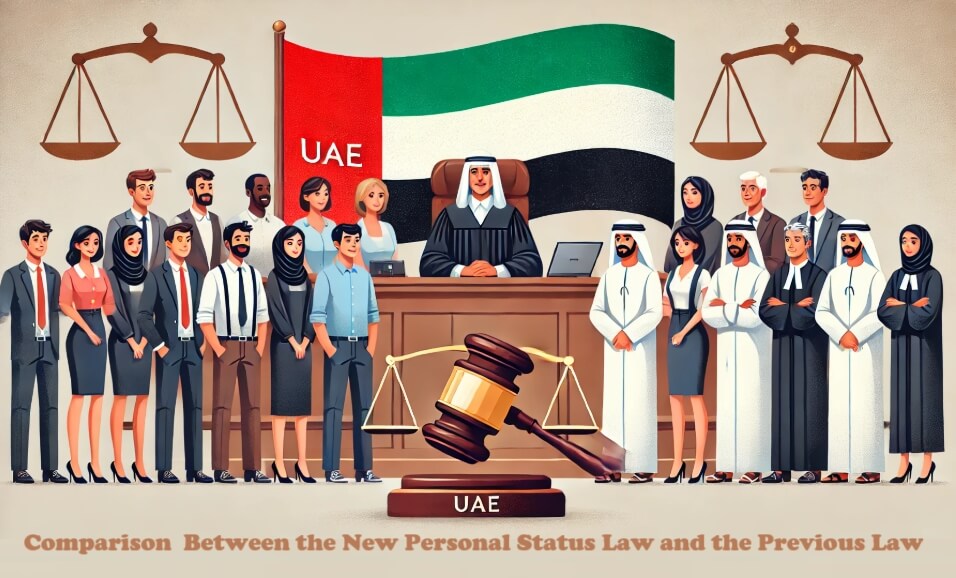
Many expatriates find themselves dealing with family law issues while living in the UAE. They need translations of marriage certificates, divorce decrees, custody agreements, and inheritance documents. Legal translators help individuals understand how UAE law applies to their situations and ensure they can present their cases effectively.
The UAE recognizes foreign marriage and divorce documents for certain purposes, but these must be translated and authenticated. This process allows people to prove their marital status, register births, or handle estate matters. Without accurate translation, people might face delays or complications in resolving important personal matters.
Enabling Real Estate Transactions
The UAE property market attracts buyers and investors from around the world. Real estate transactions involve substantial sums of money and complex legal documentation. Sale agreements, title deeds, mortgage contracts, and property regulations must be translated accurately to protect all parties involved.
Foreign property buyers need to understand the terms of their purchase agreements, including payment schedules, handover dates, and warranty provisions. Developers and sellers must ensure that translated contracts preserve all the legal protections and obligations outlined in the original documents.
Property disputes sometimes arise over unclear contract terms or misunderstandings about ownership rights. Proper legal translation at the transaction stage helps prevent these conflicts by ensuring all parties have the same understanding of their agreements.
Supporting Labor and Employment Relations
The UAE workforce includes millions of employees from diverse backgrounds. Employment contracts must be clear about wages, working hours, benefits, and termination conditions. Both employers and employees benefit when contracts are available in languages that everyone can understand.
Labor disputes often involve workers who speak little or no Arabic. They need translations of their employment contracts, company policies, and any documents related to their complaints. Legal translation ensures that workers can defend their rights and that employers can present their positions fairly.
The Ministry of Human Resources and Emiratisation requires certain employment documents to be in Arabic, but many companies also provide translated versions in English or other languages. This practice promotes better workplace relationships and helps prevent misunderstandings that could lead to legal conflicts.
Meeting Immigration and Visa Requirements
Visa applications, residency permits, and citizenship matters involve extensive documentation. Foreign nationals must submit translated copies of passports, educational certificates, marriage certificates, and other personal documents. These translations must meet official standards to be accepted by immigration authorities.
Sponsorship applications for family members require careful translation of relationship documents and financial records. Any discrepancy between original documents and their translations could result in application rejection or delays.
The UAE continues to introduce new visa categories to attract talent and investors. Understanding the requirements for these visas often requires translation of application guidelines and supporting documentation. Legal translators help applicants navigate the process by ensuring they submit complete and accurate documentation.
Maintaining Regulatory Compliance
Businesses operating in the UAE must comply with numerous regulations covering everything from data protection to financial reporting. Many regulatory texts and guidelines are published in Arabic, requiring translation for international companies to understand their obligations.
Compliance with banking regulations, insurance requirements, and industry-specific rules demands precise understanding of legal requirements. Companies rely on legal translators to convert regulatory texts, ensuring they implement proper policies and procedures.
Government tenders and contracts require bidders to submit proposals that meet specific legal and technical requirements. Translation of tender documents and bid submissions allows international companies to compete fairly for government projects.
Preserving Legal Accuracy Across Languages
Legal language carries specific meanings that differ from everyday usage. Terms like “force majeure,” “indemnification,” or “arbitration” have precise legal definitions that must be preserved in translation. Legal translators must find equivalent terms in the target language that convey the same legal concepts.
Some legal concepts exist in one legal system but not in another. Translators must either find the closest equivalent or provide explanatory notes to ensure the meaning remains clear. This challenge becomes particularly complex when translating between Islamic law concepts and Western legal terminology.

Numbers, dates, and monetary amounts require special attention in legal translation. A decimal point in the wrong place or a confused date format could have serious financial or legal consequences. Professional legal translators follow strict protocols to ensure these details are rendered accurately.
Building Trust in International Relations
The UAE maintains diplomatic and trade relationships with countries worldwide. Treaties, agreements, and diplomatic communications require translation that preserves the diplomatic tone and legal commitments of the original texts.
International dispute resolution often involves parties from different countries bringing claims in UAE courts or arbitration centers. Legal translation enables these proceedings to move forward fairly, giving each party the ability to present their case in their preferred language while ensuring the tribunal understands all arguments.
The UAE’s reputation as a reliable business destination depends partly on the quality of its legal infrastructure, including translation services. When foreign parties know they can access accurate legal translation, they feel more confident entering into agreements and resolving disputes within the UAE legal system.
Addressing Challenges in Legal Translation
Despite its importance, legal translation faces several challenges. The shortage of qualified legal translators who understand both language and law creates bottlenecks in the system. Training new translators requires years of study and practical experience.
Technology offers some solutions through translation software and artificial intelligence, but legal translation still demands human expertise. Machine translation cannot yet capture the nuances and legal implications that human translators recognize. Most legal translation services use technology as a support tool while relying on human translators for accuracy and quality control.
Maintaining consistency across large document sets presents another challenge. Legal matters often involve numerous related documents that must use consistent terminology. Translation memory systems help translators maintain this consistency, but they require careful management and updating.
The Future of Legal Translation in the UAE
As the UAE continues to grow as a business and tourism destination, demand for legal translation services will only increase. The government recognizes this need and continues to develop standards and certification programs for legal translators.
Educational institutions are expanding programs in translation and interpretation, with special focus on legal and technical fields. These programs aim to build a strong pipeline of qualified translators who can meet future demand.
Technology will play a growing role in legal translation, with artificial intelligence helping translators work more efficiently. However, the need for human expertise in understanding legal concepts and cultural context will remain essential.
Conclusion
Legal translation serves as the foundation of the UAE’s multilingual legal system. It enables businesses to operate smoothly, helps individuals access justice, and ensures that everyone can understand their legal rights and obligations regardless of their native language.
The UAE’s success as an international hub depends on maintaining high standards in legal translation. Certified translators bridge the gap between languages and legal systems, making it possible for people from diverse backgrounds to work together, resolve disputes fairly, and build trust in the legal framework.
As the country moves forward, investment in legal translation services and translator training will remain crucial. The UAE’s commitment to providing accessible and fair legal services to all residents and visitors makes legal translation not just a service, but a cornerstone of the nation’s inclusive approach to justice and commerce.