Facial aesthetics has become one of the most advanced and science-driven areas of modern skincare and rejuvenation. Across Pennsylvania, clients are now more informed, more selective, and more curious about the treatments they choose. This growing awareness is why understanding the science behind Aesthetics Pennsylvania is more important than ever.
Whether someone is considering Botox, dermal fillers, Microneedling Treatment, chemical peels, or non-surgical skin tightening, the best decisions are always rooted in anatomy, biology, and clinical science. As aesthetic procedures continue to rise in popularity, Pennsylvanians want results that look natural, balanced, youthful, and most importantly—safe. Modern facial aesthetics is no longer about dramatic changes. Instead, it focuses on maintaining harmony, supporting graceful aging, and preserving the face’s structural integrity. This scientific foundation is what separates advanced aesthetic care from basic cosmetic services.
What Is Facial Aesthetics?
Facial aesthetics blends medical science with artistic principles to enhance facial features while maintaining balance and proportion. The goal is to improve appearance without changing a person’s natural identity. This discipline is built on a deep understanding of facial anatomy, skin biology, fat distribution, bone structure, and the aging process.
While aesthetic treatments may appear surface-level, the most successful outcomes come from understanding what lies beneath the skin. Skilled providers study muscles, ligaments, fat compartments, nerves, and skeletal structure to design treatments that improve appearance while preserving function. This science-based approach allows experienced practitioners to achieve natural-looking results that follow anatomical principles rather than short lived cosmetic trends.
The Anatomy of Facial Beauty
The human face is a complex system made up of skin, fat pads, muscles, connective tissues, and bone. Each component plays a role in facial appearance and how the face ages over time.
Skin Layers and Structure
The skin consists of three main layers: the epidermis, dermis, and subcutaneous tissue. As we age, collagen, elastin, and hyaluronic acid decline, leading to thinning, fine lines, and reduced elasticity. Understanding how each layer responds to treatment allows providers to choose the most effective options for tightening, brightening, and rejuvenation.
Fat Pads and Volume Distribution
Youthful faces have evenly distributed fat pads that create smooth contours and lift. With age, these pads shrink and descend, causing hollowness under the eyes, flattening of the cheeks, and sagging along the jawline. Dermal fillers help restore these lost structures and rebalance facial volume.
Muscles and Expression Lines
Dynamic wrinkles form from repeated muscle movement, such as forehead lines, crow’s feet, and frown lines. Over time, these lines become etched into the skin. Neuromodulators like Botox reduce muscle activity, softening lines and preventing deeper creases.
Bone Structure and Aging
Bone resorption is a natural part of aging and reduces support in areas like the cheeks, temples, and jawline. This loss contributes to a sunken or sagging appearance. Fillers and regenerative treatments help compensate for these structural changes.
Facial Proportions and Symmetry
The concept of the “golden ratio” has long been used to understand facial balance and attractiveness. While every face is unique, proportion and symmetry consistently influence perceived beauty. Modern facial aesthetics applies these principles to enhance harmony and maintain natural results.
How Aging Affects the Face Scientifically
Facial aging occurs on multiple levels, not just at the surface. The epidermis thins, collagen fibers in the dermis weaken, hydration decreases, and supporting ligaments loosen. Fat pads shift downward, bone volume decreases, and certain muscles become overactive, creating deeper expression lines. Environmental factors such as sun exposure, pollution, and lifestyle habits further accelerate this process. Understanding these changes helps Pennsylvanians choose treatments that address the underlying causes rather than just visible symptoms.
The Science Behind Today’s Most Popular Facial Aesthetic Treatments
Residents of Pennsylvania now have access to advanced treatments supported by extensive medical research and technological innovation.
Botox & Neuromodulators
Botox works by temporarily blocking nerve signals that cause muscles to contract. This prevents repetitive movements from forming deep wrinkles, resulting in smoother skin and softer expressions without a frozen appearance.
Dermal Fillers
Most fillers are made with hyaluronic acid, a substance naturally found in the skin that attracts moisture and supports volume. These fillers restore lost structure, enhance contours, smooth deep lines, and improve facial symmetry while integrating naturally with tissue.
Microneedling & RF Microneedling
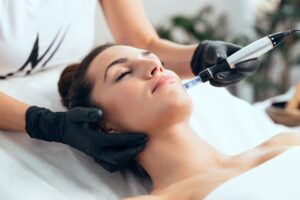
Microneedling creates controlled micro-injuries that stimulate collagen and elastin production. RF microneedling adds radiofrequency energy to tighten deeper layers of the skin, delivering stronger anti-aging effects.
Chemical Peels
Chemical peels use acids such as glycolic, lactic, salicylic, or TCA to remove damaged skin cells and stimulate renewal. They improve tone, texture, pigmentation, fine lines, and scarring through increased cell turnover.
Laser Skin Rejuvenation
Lasers target pigmentation, broken vessels, and wrinkles using precise wavelengths of light. Some resurface the skin, while others heat deeper layers to stimulate collagen. Laser science allows treatments to be highly controlled and customizable.
Skin Tightening Treatments (RF, Ultrasound, HIFU)
These non-invasive technologies heat deep tissues to contract collagen fibers and stimulate new collagen formation. Over time, this results in firmer, lifted skin without surgery.
Regenerative Aesthetics (PRP & PRF)
PRP and PRF use the body’s own growth factors to regenerate skin, improve texture, and reduce fine lines. This approach supports natural healing and long-term rejuvenation.
Why Personalization Matters in Facial Aesthetics
Every face ages differently due to genetics, lifestyle, sun exposure, and health factors. This is why effective aesthetic care must be personalized.
A customized plan considers:
- Facial structure
- Expression patterns
- Bone density
- Fat distribution
- Skin type and pigmentation
- Individual goals and preferences
Personalization ensures safe, balanced, and natural outcomes.
Technology Shaping the Future of Facial Aesthetics
Modern Pennsylvania aesthetic clinics use advanced technology to improve accuracy and safety. AI-based skin analysis evaluates pores, pigmentation, texture, and collagen levels. 3D facial imaging allows providers to preview treatment outcomes. Advanced laser platforms deliver targeted results with reduced downtime. These tools make aesthetic treatments more predictable, customized, and effective than ever before.
Safety Considerations in Facial Aesthetic Treatments
Scientific knowledge is essential for safety as well as results. Treatments involving needles, lasers, or energy devices require a deep understanding of facial anatomy, nerve pathways, and vascular structures. Proper technique, high-quality products, and sterile environments significantly reduce the risk of complications.
How to Choose the Right Aesthetic Provider in Pennsylvania
Choosing the right provider is just as important as selecting the treatment. A reputable clinic offers thorough evaluations, realistic expectations, personalized planning, and transparent communication. Experience, certifications, advanced technology, and patient education are key indicators of quality care.
Consultation at Pennsylvania Aesthetic Clinics
During a consultation at Pennsylvania aesthetic clinics, clients receive a comprehensive scientific evaluation of their skin, facial anatomy, and aging patterns. Providers use imaging and clinical analysis to design individualized plans that combine the safest and most effective aesthetic treatments in PA. This evidence-based process ensures balanced, natural, and long-lasting results.
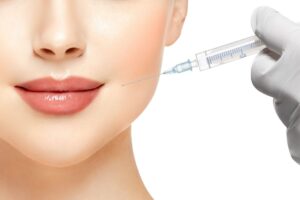
Clients seeking a science-backed approach to facial rejuvenation and harmonious enhancement can trust Iriya Wellness & Aesthetics, where advanced technology, anatomical expertise, and personalized planning are used to deliver safe, natural-looking outcomes. Many clients also integrate broader care through a Wellness Center Pennsylvania, combining skin treatments with services such as HydraFacial Service, Weight Loss Service, and overall wellness support. Attractive young woman is getting a rejuvenating facial injections at beauty clinic. The expert beautician is filling female wrinkles by botulinum.
Conclusion
Facial aesthetics is now a science-driven field that combines medical knowledge with artistic precision. Modern treatments support natural beauty, healthier skin, and graceful aging without altering identity. As Aesthetics Pennsylvania continues to advance, residents benefit from safer technology, smarter techniques, and personalized care. With expert guidance from Pennsylvania aesthetic clinics, individuals can enhance their features using the most innovative aesthetic treatments in PA, achieving confidence, balance, and long-lasting results.
FAQs
What is the science of aesthetics?
The science of aesthetics explores beauty, balance, and harmony through principles such as symmetry, proportion, and structure. These concepts guide both artistic and scientific approaches to facial enhancement.
What are the rules of aesthetics?
Key principles include the golden ratio, symmetry, balance, and natural enhancement. These rules help create harmonious and authentic results.
Why is aesthetics so important?
Aesthetics supports self expression, confidence, and identity. It allows individuals to feel aligned with their appearance while maintaining individuality and connection within society.