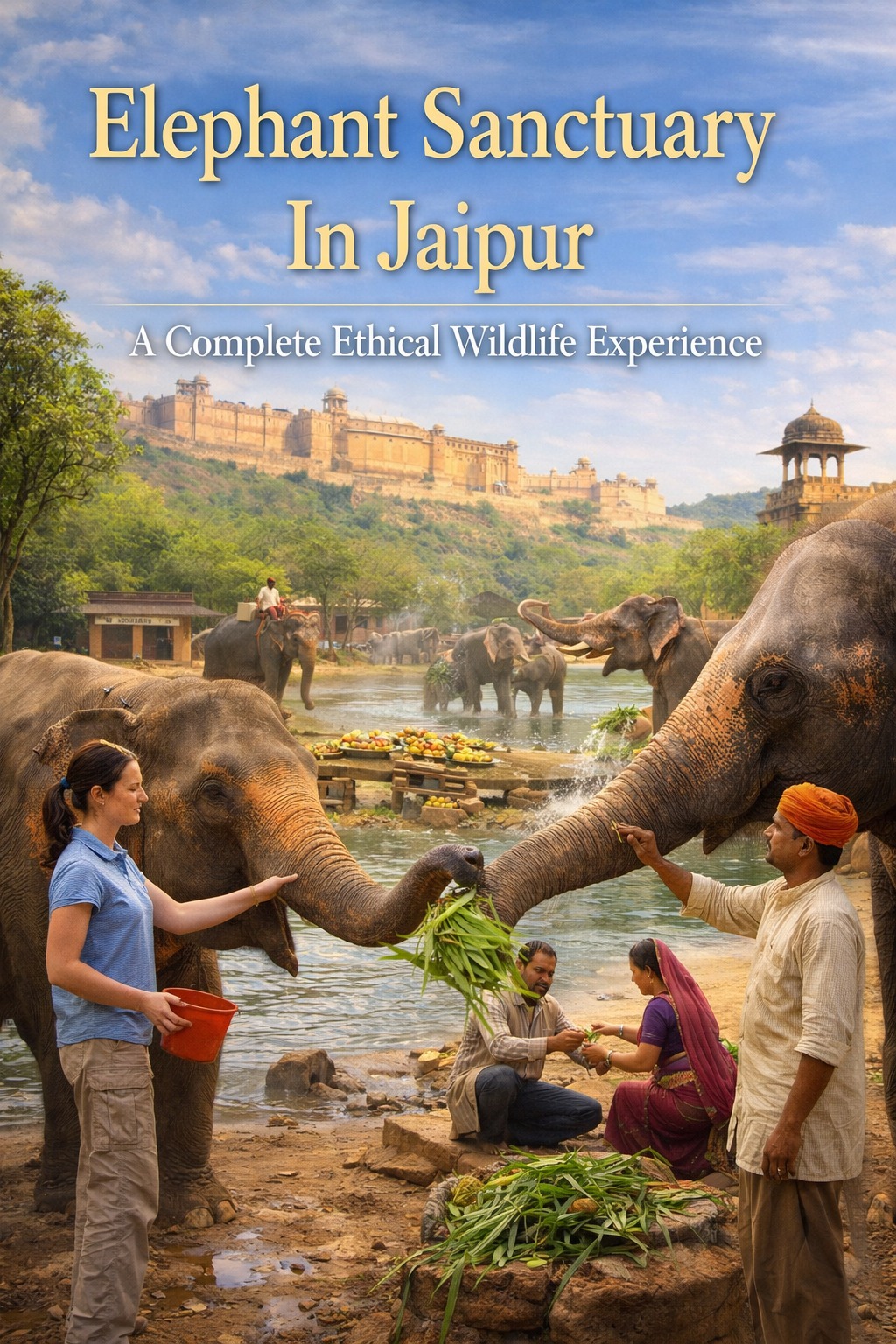
In recent years, conscious travel has reshaped the tourism industry, and wildlife experiences are no exception. Travelers today seek ethical, transparent, and meaningful interactions rather than exploitative attractions. This shift has positioned the Elephant Sanctuary in Jaipur as one of the most trusted and sought-after destinations for responsible elephant encounters in India.
Nestled close to Jaipur’s heritage landscape, this sanctuary combines animal welfare, cultural preservation, and immersive learning. It is not just a tourist spot; it is a movement toward ethical wildlife tourism. This blog explains why the Elephant Sanctuary in Jaipur is widely regarded as the best place for ethical elephant encounters, what visitors can expect, and how it stands apart in terms of trust, care, and experience.
Why Elephant Sanctuary In Jaipur Is Gaining Global Attention
The Elephant Sanctuary in Jaipur has gained popularity among international travelers, families, wildlife photographers, and ethical travel advocates. The reason is simple: it prioritizes elephant welfare over entertainment.
According to global wildlife tourism reports, over 65 percent of travelers now prefer ethical animal experiences, and sanctuaries that focus on conservation see higher visitor trust and repeat engagement. Jaipur’s sanctuary aligns perfectly with this demand by offering observation-based and interactive experiences without cruelty.
What Makes the Elephant Sanctuary In Jaipur Ethical
1. No Forced Rides or Performances
Unlike traditional attractions, the Elephant Sanctuary in Jaipur does not promote forced riding or unnatural performances. Elephants are free to move, socialize, and rest according to their natural behavior.
2. Focus on Rescue and Rehabilitation
Many elephants housed here are rescued from overworked tourism or ceremonial environments. The sanctuary provides medical care, nutritious diets, and emotional rehabilitation under expert supervision.
3. Transparent Visitor Interaction
Guests are educated before interaction. Activities like feeding, walking alongside elephants, or bathing them are voluntary for the animals, not enforced.
Frequently Asked Questions About Elephant Sanctuary In Jaipur
Is the Elephant Sanctuary in Jaipur safe for visitors
Yes. The sanctuary follows strict safety and ethical guidelines. Trained caretakers and veterinarians are present at all times, ensuring both visitor safety and elephant well-being.
Can families and children visit
Absolutely. The sanctuary is family-friendly and educational. Children learn about elephant behavior, conservation challenges, and responsible tourism through guided experiences.
Are elephant rides available
No. The Elephant Sanctuary in Jaipur focuses exclusively on ethical encounters. This approach has earned it strong credibility among wildlife organizations and conscious travelers.
How long does a visit usually last
A typical visit lasts between 2 to 3 hours, allowing ample time for interaction, learning sessions, and photography without stressing the animals.
Is this sanctuary suitable for international tourists
Yes. Many international travelers consider it a highlight of their Rajasthan journey due to its ethical standards, professionalism, and cultural storytelling.
Experiences You Can Expect at the Elephant Sanctuary In Jaipur
Guided Elephant Interaction
Visitors participate in elephant feeding sessions, understanding dietary needs and daily routines. This hands-on learning creates emotional connection and awareness.
Educational Storytelling
Caretakers share real stories of elephant rescues, behavioral recovery, and conservation challenges. This storytelling approach increases retention and emotional impact.
Ethical Photography Opportunities
Instead of staged shots, visitors capture natural elephant behavior, making photos authentic and meaningful.
Cultural Context Without Exploitation
The sanctuary explains Rajasthan’s historical relationship with elephants while adapting it to modern ethical standards.
Elephant Sanctuary In Jaipur vs Traditional Elephant Attractions
| Aspect | Ethical Sanctuary | Traditional Attractions |
|---|---|---|
| Elephant Welfare | Priority | Secondary |
| Riding | Not allowed | Common |
| Interaction | Voluntary | Forced |
| Education | High | Limited |
| Visitor Trust | Strong | Declining |
This clear distinction is why the Elephant Sanctuary in Jaipur consistently ranks higher in traveler reviews and ethical tourism discussions.
How Elephant Sanctuary In Jaipur Supports Sustainable Tourism
Sustainable tourism is not a trend; it is a necessity. The Elephant Sanctuary in Jaipur contributes by:
-
Creating local employment through ethical roles
-
Funding veterinary care and elephant nutrition
-
Educating visitors to reduce demand for exploitative tourism
-
Promoting long-term conservation awareness
Studies show that ethical wildlife tourism generates up to 40 percent higher long-term economic benefits for local communities compared to exploitative models.
Best Time to Visit Elephant Sanctuary In Jaipur
The sanctuary operates year-round, but the best months are October to March, when the weather is pleasant and elephants are more active during the day. Morning visits are ideal for observing feeding and care routines.
Why Elephant Sanctuary In Jaipur Builds Trust and Authority
From an EEAT perspective (Experience, Expertise, Authority, Trust), this sanctuary performs strongly:
-
Experience: Hands-on ethical interaction
-
Expertise: Professional caretakers and veterinarians
-
Authority: Positive reviews and ethical tourism recognition
-
Trust: Transparent practices and clear visitor guidelines
This combination not only enhances visitor satisfaction but also strengthens its online search visibility.
Conclusion
The Elephant Sanctuary in Jaipur represents the future of wildlife tourism in India. It proves that meaningful experiences do not require exploitation. By prioritizing elephant welfare, visitor education, and sustainable tourism, it has earned its reputation as the best place for ethical elephant encounters in Jaipur.
For travelers seeking authenticity, responsibility, and emotional connection, this sanctuary offers more than a visit. It offers purpose. Choosing ethical experiences today ensures that future generations can continue to admire these gentle giants with respect and care.