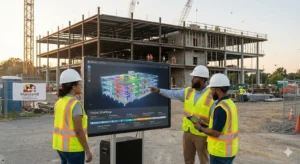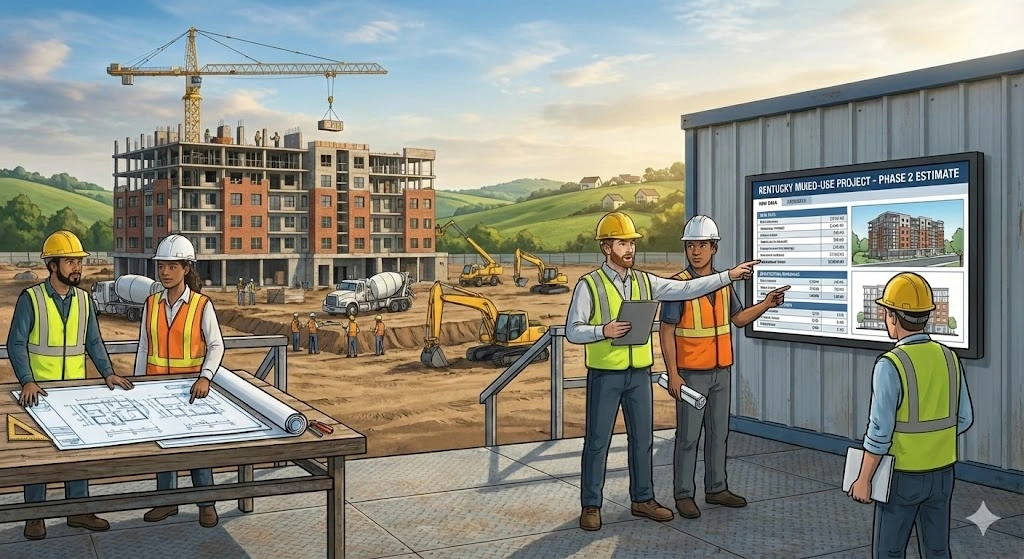
Jobsite planning doesn’t start when boots hit the ground. It starts quietly, often weeks earlier, with spreadsheets, drawings spread across desks, and hard conversations about what’s realistic. The projects that run smoothly usually share one invisible advantage: their plans were shaped by numbers that actually reflected reality.
That’s where thoughtful estimating earns its keep.
Why jobsite planning fails before construction begins
Most planning problems don’t come from poor workmanship. They come from assumptions baked into the budget. Missing quantities. Optimistic timelines. Labor hours copied from the last job because there wasn’t time to rethink them.
When Construction Estimating is used properly, it forces clarity early. Instead of guessing how long something might take, planners work from measurable scope, verified quantities, and sequencing logic that mirrors real-world conditions.
That discipline shows up later as fewer surprises on site.
Turning estimates into planning tools, not just bid numbers
Too often, estimates are treated as something disposable once a project is awarded. That’s a mistake. A well-built estimate can guide scheduling, procurement, and crew allocation long after the bid phase is over.
A seasoned construction structures estimator, so they can be broken down by phase, trade, or location. That makes it easier for project managers and superintendents to align manpower and materials with the actual flow of work.
How planning improves when estimates are built right
- Quantities are organized to support phased construction instead of lump-sum guessing.
- Labor assumptions reflect access, congestion, and site constraints — not best-case scenarios.
- Cost codes align with field tracking, making progress easier to measure.
Planning becomes proactive instead of reactive.
Reducing jobsite chaos through early accuracy
Anyone who’s spent time on a construction site knows how quickly small errors multiply. One delayed delivery cascades into idle crews, rushed work, and strained relationships. Many of those issues trace back to weak estimating foundations.
By relying on construction estimating, contractors can identify pressure points before they become emergencies. Long-lead items are flagged. Temporary works are priced and scheduled. Allowances are clearly defined instead of vaguely assumed.
That foresight saves far more than money — it saves momentum.
Collaboration that starts before construction
Good planning is collaborative by nature. Estimators, project managers, and field leaders all see different risks. When those perspectives meet early, plans improve.
A reliable Construction Estimating Companies doesn’t work in isolation. They ask how the job will actually be built. They listen when superintendents talk about access issues or sequencing challenges. That dialogue results in estimates that support real construction, not theoretical models.
Where collaboration makes the biggest difference
- Aligning labor curves with realistic crew sizes and site conditions.
- Adjusting material quantities based on installation methods, not just drawings.
- Identifying constructability issues that affect schedule and cost simultaneously.
These conversations are easier before contracts are signed than after problems appear.
Planning efficiency that keeps crews productive
Idle labor is one of the most expensive forms of waste on a jobsite. Crews waiting for materials or instructions burn money fast. Accurate planning reduces those gaps.
When Construction Estimating Service feeds directly into procurement schedules, materials arrive when they’re needed — not weeks early and not days late. Equipment is rented for the right duration. Subcontractors are sequenced instead of stacked on top of each other.
The site feels calmer. Work flows.
Protecting design intent while planning constructability
Designs often look perfect on paper. The field is less forgiving. Accurate estimating helps bridge that gap by translating intent into buildable steps.
An experienced Construction Estimating Company reviews drawings with a constructability lens. They notice details that complicate sequencing or require additional temporary measures. Instead of undermining design, this process protects it by making sure the plan can actually be executed without constant improvisation.
Real-world example: planning saved before ground broke
On a mid-size commercial project, early estimating revealed that site access would restrict material deliveries to narrow time windows. The estimate reflected added handling and storage costs, which informed a revised logistics plan. When construction started, crews weren’t scrambling — they were ready.
That project finished ahead of schedule, not because the team worked faster, but because they planned smarter.
Using estimates to manage risk on-site
Every project carries risk. Weather. Labor availability. Price volatility. Accurate estimating doesn’t eliminate these issues, but it helps manage them.
By grounding plans in Construction Estimating Services, contractors can build contingencies where they matter most. Instead of padding every line item, risk is targeted and transparent. That clarity supports better decision-making throughout construction.
Planning as a competitive advantage
Clients may never read your estimate line by line, but they feel the results. Projects that start smoothly, maintain pace, and avoid constant budget conversations build trust quickly.
Contractors who plan well earn reputations as reliable partners. Over time, that reputation leads to negotiated work, repeat clients, and fewer adversarial relationships. Accurate estimating quietly supports all of it.
Conclusion
Accurate jobsite planning doesn’t happen by accident. It’s built deliberately, starting with estimates that reflect how construction actually unfolds. Construction Estimating Services provide the structure needed to plan with confidence, reduce chaos, and keep projects moving forward.
When planning is rooted in reality, jobsites become safer, calmer, and more productive — and everyone notices.
FAQs
How does estimating improve jobsite planning?
It provides accurate quantities, labor assumptions, and sequencing data that inform schedules and procurement.
Can estimating really reduce jobsite delays?
Yes. Better estimates help identify long-lead items and logistical constraints before construction begins.
Has planning only improved on large projects?
No. Smaller jobs often benefit even more because they have less room for error.
Should estimates be used after the bid phase?
Absolutely. Estimates are valuable planning tools throughout the entire project lifecycle.