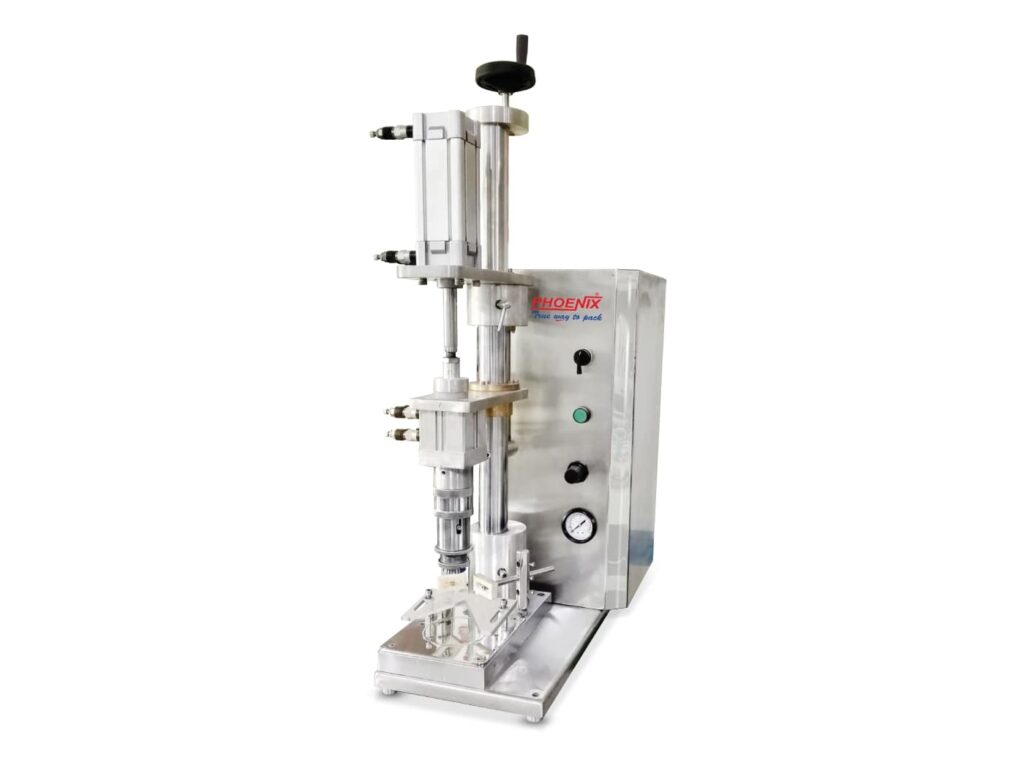
Crimping has become an indispensable process in modern manufacturing, electrical work, and industrial applications. Whether you’re assembling wire harnesses, creating hydraulic connections, or working on electrical installations, understanding the materials involved in crimping is crucial for achieving reliable, long-lasting connections. This comprehensive guide explores the various wires, tubes, and cables used in crimping operations and how to ensure compatibility with your equipment.
Understanding Crimping Materials
The success of any crimping operation depends heavily on selecting the right materials. A quality crimping machine can only deliver optimal results when paired with compatible materials. For businesses working with a reputable crimping machine manufacturer in UAE, understanding material specifications becomes even more critical as it ensures you’re maximizing your equipment investment while maintaining the highest quality standards.
Wire Materials in Crimping Operations
Copper Wires
Copper remains the gold standard for electrical crimping applications due to its excellent conductivity and malleability. Stranded copper wires are particularly popular because they offer flexibility while maintaining strong electrical properties. The material’s softness allows crimping terminals to form secure connections without causing fractures or weak points.
Bare copper wires require proper terminal selection to prevent oxidation over time. Many manufacturers now use tinned copper, which features a thin tin coating that protects against corrosion while improving the crimping process.
Aluminum Wires
Aluminum wires present unique challenges in crimping operations. While they’re lighter and more cost-effective than copper, they require specialized terminals and techniques. Aluminum oxidizes rapidly when exposed to air, forming a non-conductive layer that can compromise connections. Special crimping dies and anti-oxidant compounds are essential when working with aluminum conductors.
Multi-Strand vs. Solid Core
The wire construction significantly impacts crimping results. Multi-strand wires distribute stress more evenly during crimping, making them ideal for applications requiring flexibility. Solid core wires provide better pierce resistance and are often used in permanent installations. Your crimping machine must be adjusted according to the wire construction to avoid over-crimping stranded wires or under-crimping solid conductors.
Tubes and Ferrules in Crimping
Metal Ferrules
Metal ferrules serve as protective sleeves that reinforce wire ends during termination. Copper and brass ferrules are common in electrical applications, while stainless steel versions are used in corrosive environments. The ferrule material must be compatible with both the wire and the terminal to prevent galvanic corrosion.
Hydraulic Tubes
In hydraulic crimping applications, tube materials vary based on pressure requirements and environmental conditions. Steel tubes offer maximum strength for high-pressure systems, while aluminum tubes provide weight savings in mobile equipment. Stainless steel tubes resist corrosion in harsh environments but require more powerful crimping equipment due to their hardness.
The wall thickness of hydraulic tubes is critical for crimping success. Thin-walled tubes may collapse under excessive crimping force, while thick-walled tubes need adequate die pressure to form proper connections.
Cable Types for Crimping
Power Cables
Power cables typically feature multiple conductors surrounded by insulation layers. When crimping power cables, the outer jacket must be stripped to the correct length without damaging inner conductors. Cable lugs designed for multi-conductor cables ensure all strands are captured evenly during the crimp.
Control Cables
Control cables used in automation and instrumentation systems often have smaller gauge wires arranged in complex configurations. These cables require precision crimping tools with appropriate die sets to maintain signal integrity and prevent conductor damage.
Coaxial Cables
Coaxial cables demand specialized crimping techniques to maintain their characteristic impedance. The center conductor, dielectric insulator, and outer shield each require specific crimping approaches. RF connectors must be crimped with exact force to prevent signal loss or reflection.
Material Compatibility Considerations
Matching Tools to Materials
Tool compatibility extends beyond physical dimensions. A proper crimping machine must provide adjustable force settings to accommodate different material hardnesses. Softer materials like copper require less force than harder materials like stainless steel. Using excessive force can damage conductors, while insufficient force creates weak connections prone to failure.
Terminal and Wire Pairing
The terminal material should complement the wire material. Copper terminals work best with copper wires, preventing galvanic corrosion that occurs when dissimilar metals contact in the presence of moisture. When mixing metals is unavoidable, protective coatings or intermediary materials can minimize corrosion risks.
Environmental Factors
Material selection must account for the operating environment. Marine applications require corrosion-resistant materials like tinned copper or stainless steel. High-temperature environments demand materials that maintain mechanical properties under thermal stress. Cold climates require materials that remain ductile at low temperatures.
Quality Assurance in Material Selection
Working with experienced suppliers ensures you receive materials that meet industry standards. Reputable manufacturers provide material certifications and compatibility charts that simplify selection processes. When sourcing equipment from established suppliers, you gain access to technical support that helps match materials to specific applications.
Regular testing of crimped connections verifies material compatibility. Pull tests, continuity checks, and visual inspections reveal whether your material and tool combination produces acceptable results. Documenting these quality checks creates a reference database for future projects.
Conclusion
Understanding the materials used in crimping operations empowers you to make informed decisions that improve connection reliability and longevity. Whether working with wires, tubes, or cables, recognizing how material properties interact with crimping tools ensures consistent, high-quality results. By carefully matching materials to applications and equipment capabilities, you can optimize your crimping processes and achieve professional outcomes that stand the test of time.
The investment in proper material knowledge pays dividends through reduced failures, improved safety, and enhanced operational efficiency across all your crimping projects.