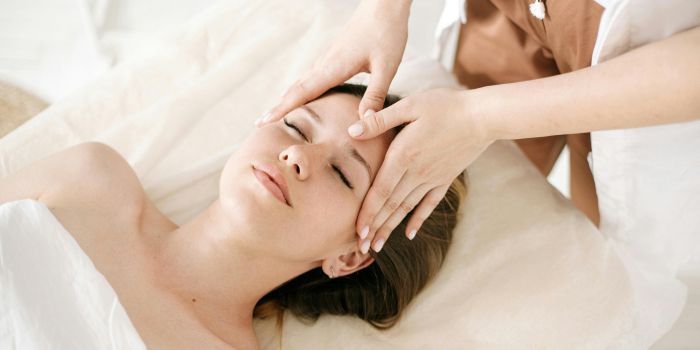
In recent years, natural beauty therapy has become one of the most rapidly growing wellness trends across the globe. From botanical facials and plant-based skincare to holistic body rituals and aromatherapy, people are increasingly seeking beauty solutions that are clean, sustainable, and rooted in nature. This shift is not just about following a trend—it reflects a larger global movement toward mindful living, conscious consumption, and long-term well-being.
So, why is natural beauty therapy capturing the attention of millions worldwide? Let’s explore the reasons behind this rise in popularity and what it means for the future of the beauty and wellness industries.
1. Growing Awareness About Harmful Chemicals
Consumers today are more informed than ever. With easy access to scientific studies, ingredient breakdowns, and product reviews, people know exactly what they are applying to their skin. Traditional beauty products often contain artificial fragrances, parabens, sulfates, and synthetic preservatives—ingredients that have been linked to allergies, irritation, and long-term health concerns.
As a result, many are turning to natural beauty therapy, which emphasizes the use of non-toxic, plant-derived, and minimally processed ingredients. These treatments aim to nourish the skin gently rather than overwhelm it with harsh chemicals, making them especially appealing for those with sensitive or reactive skin.
2. A Holistic Approach to Wellness
Another major reason natural beauty therapy is gaining traction is its holistic philosophy. Unlike conventional beauty treatments that often focus solely on the physical aspect—such as reducing wrinkles or clearing acne—natural methods treat the body, mind, and spirit as interconnected.
For example:
-
Aromatherapy uses essential oils to both enhance skin health and promote emotional well-being.
-
Ayurvedic treatments balance the body’s doshas, improving inner harmony while rejuvenating the skin.
-
Herbal therapies support both external beauty and internal detoxification.
This all-encompassing approach resonates with individuals seeking deeper, more meaningful self-care practices. Instead of quick fixes, natural beauty therapy promotes long-term wellness and balance from within.
3. Sustainability and Environmental Consciousness
Climate change, pollution, and waste are major global concerns, influencing how consumers make everyday choices. Many people are now mindful of how their beauty routines impact the environment. Traditional beauty products often come in non-recyclable packaging and contain microplastics, synthetic fragrances, and chemicals that can harm ecosystems.
In contrast, natural beauty therapy tends to emphasize:
-
Eco-friendly packaging
-
Biodegradable ingredients
-
Cruelty-free and ethically sourced raw materials
-
Reduced environmental impact
As sustainability becomes a priority for conscious consumers, natural products and treatments are being celebrated not just for their effectiveness but also for their lower ecological footprint.
4. Rise of Traditional and Ancestral Wisdom
Throughout history, cultures worldwide have relied on nature for healing and beauty—whether it’s the use of turmeric in India, green tea in Japan, shea butter in West Africa, or chamomile in Europe. Today’s consumers are rediscovering and embracing these ancient rituals.
The desire for authenticity and connection to tradition has fueled the growth of natural beauty therapy. People appreciate treatments rooted in long-trusted practices, believing them to be safer and more in harmony with the body’s natural processes. Modern brands and spas are incorporating ancestral knowledge into their offerings, bridging old wisdom and modern science.
5. The Minimalist Self-Care Movement
Many people are overwhelmed by complex skincare routines that involve dozens of products. The minimalist beauty movement encourages simplicity—fewer products, cleaner formulas, and more intentional self-care.
Natural beauty therapy aligns perfectly with this lifestyle. It often uses multi-purpose ingredients, such as:
-
Aloe vera for hydration, healing, and soothing
-
Coconut oil for cleansing, moisturizing, and protecting
-
Rose water for toning, calming, and refreshing
This simplicity reduces time, cost, and stress while still producing effective, visible results.
6. Better Skin Compatibility and Long-Term Benefits
One of the strongest appeals of natural beauty therapy is the way it works harmoniously with the skin. Natural ingredients are typically rich in vitamins, antioxidants, minerals, and phytonutrients that help strengthen the skin barrier, promote regeneration, and fight inflammation.
For example:
-
Plant oils like jojoba or argan mimic the skin’s natural sebum.
-
Herbal extracts calm irritation and reduce redness.
-
Fruit enzymes gently exfoliate without stripping moisture.
While traditional beauty solutions often provide quick but temporary results, natural beauty therapy promotes healthier, more resilient skin over time. This long-term approach to skin wellness is particularly appealing to people seeking sustainable beauty—both for themselves and the planet.
7. The Influence of Social Media and Global Wellness Trends
Platforms like Instagram, TikTok, and YouTube have played a major role in popularizing natural beauty therapy. Influencers, dermatologists, and wellness experts regularly share DIY recipes, natural skincare routines, and benefits of plant-based ingredients.
At the same time, global wellness trends—such as clean beauty, slow living, and mindfulness—have encouraged people to prioritize self-care as part of their daily lives. Natural beauty therapy fits seamlessly into these trends, offering both aesthetic benefits and emotional nourishment.
8. Expansion of Natural Beauty Spas and Brands
As demand grows, more brands and spas are offering natural beauty therapy options. From organic facials to herbal body treatments and holistic skincare lines, consumers now have more choices than ever.
This increased availability helps normalize natural beauty therapy across different regions and demographics, further accelerating its global popularity.
Brands are also investing in research to improve the efficacy of plant-based ingredients, blending scientific innovation with natural goodness. This synergy is making natural solutions more competitive with conventional beauty products.
9. Personal Empowerment Through Natural Choices
For many, choosing natural beauty therapy is empowering. It represents a conscious decision to care for oneself more gently and thoughtfully. It can also spark creativity and personal connection through DIY skincare, herbal remedies, and mindful rituals.
In a fast-paced world, taking time to nurture oneself with natural ingredients—whether through a face mask, a herbal bath, or a soothing essential-oil massage—can be a grounding and revitalizing experience.
Conclusion
The growing popularity of natural beauty therapy worldwide reflects a broader shift: people are seeking healthier, cleaner, and more sustainable ways to look and feel their best. With rising awareness about harmful chemicals, increased environmental consciousness, and a renewed appreciation for traditional wisdom, natural beauty solutions are becoming central to modern wellness.
As this movement continues to expand, natural beauty therapy is not just a trend—it’s a transformative approach to self-care that honors both personal well-being and the planet. Whether through plant-based skincare, holistic treatments, or mindful rituals, nature is proving to be one of the most powerful beauty allies we have.