A fresh coat of paint can transform a property, but its durability depends on more than the colour or brand selected. Surface condition, moisture levels, product compatibility, and application techniques all influence how well the finish performs over time. Understanding what quality GTA painting services involve helps property owners recognize why some paint jobs remain attractive for years while others begin peeling, cracking, or fading prematurely.
Surface Preparation Is the Foundation of a Lasting Finish
Paint needs a clean, stable surface to adhere properly. Dust, grease, loose paint, and uneven patches can weaken adhesion and create visible defects in the finished coating. Applying premium paint over a poorly prepared surface does not solve these underlying problems.
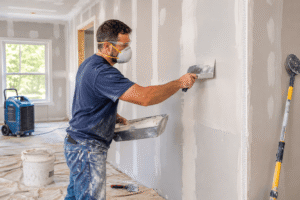
Preparation starts with inspecting walls, ceilings, trim, and exterior surfaces for cracks, holes, peeling paint, and other damage. Loose material should be removed, minor imperfections filled, and rough areas sanded before the surface is cleaned. Kitchen walls may need grease removal, while exterior siding often requires cleaning to remove accumulated dirt and other contaminants.
The type of surface also matters. New drywall absorbs paint differently across its paper surface and joint compound, which can produce uneven colour if it is not prepared correctly. Wood, masonry, and metal each have different coating requirements, making surface-specific preparation essential.
Key takeaway: A smooth, clean, and stable surface helps paint adhere evenly and reduces the risk of premature peeling or an uneven finish.
Hidden Damage Should Be Addressed Before Painting
Some surface defects indicate a deeper issue that paint alone cannot fix. Bubbling paint, recurring stains, peeling patches, and damp areas can signal water intrusion, excessive humidity, or deteriorating materials.
For example, repainting a ceiling affected by a roof leak will not resolve the damage if water continues to enter. Similarly, bathroom paint that repeatedly peels might indicate inadequate ventilation or persistent moisture. The underlying cause needs to be identified and addressed before repainting begins.
Exterior surfaces require similar attention. Damaged caulking, gaps around windows, and deteriorating wood can allow water to reach vulnerable materials. If these issues remain unresolved, the new coating can fail prematurely.
Moisture-sensitive repairs should be allowed to dry properly before painting. Areas affected by mould or mildew also require appropriate assessment and treatment rather than simply being covered with another coat.
Key takeaway: Repairing the cause of surface damage, rather than concealing its appearance, helps prevent recurring paint failures and unnecessary rework.
Choosing Paint That Matches the Surface
Different rooms and materials require different paint characteristics. A product suitable for a bedroom wall might not provide the same performance in a busy hallway, kitchen, or exposed exterior area.
Interior paint selection should account for cleaning needs, moisture exposure, and everyday wear. Washable coatings can be useful in kitchens, corridors, and family spaces, while bathrooms generally require products suitable for humid conditions. The manufacturer’s specifications should guide the final choice.
Paint sheen also affects both appearance and maintenance. Matte finishes help soften the appearance of minor wall imperfections, whereas satin and semi-gloss finishes are generally easier to clean. However, higher-sheen coatings can make dents and uneven patches more noticeable.
Exterior paint must withstand sunlight, rain, temperature changes, and seasonal expansion and contraction. The coating should be compatible with the existing surface and appropriate for its exposure conditions. Selecting a suitable primer and topcoat as a system is particularly important when working with bare wood, masonry, metal, or previously painted surfaces.
Key takeaway: The right paint is not simply the most expensive option. It is the product that suits the material, environment, and intended use.
Primer and Application Technique Make a Difference
Primer serves several purposes when a surface requires it. It can improve adhesion, help control uneven absorption, and prevent certain stains from bleeding through the topcoat. New drywall, bare wood, repaired patches, and surfaces with stubborn stains often need specific preparation or priming.
Skipping necessary primer can lead to inconsistent coverage, visible repairs, and additional coats. However, primer selection should depend on the substrate and the coating system rather than following a one-product-fits-all approach.
Application technique is equally important. Uneven roller pressure, excessive paint loading, poor brushwork, and inconsistent overlap can create streaks, drips, and lap marks. Applying the correct number of coats and following the recommended recoat interval helps produce a more uniform finish.
Environmental conditions also influence the result. Temperature, humidity, and airflow affect how paint dries and cures. Exterior painting in unsuitable weather can compromise adhesion or create uneven drying, so product-specific application requirements should always be followed.
This is why GTA painting services should be assessed on the quality of the process, not simply the promised completion time. Thorough preparation, compatible materials, and careful application all contribute to the finished result.
Key takeaway: Primer, correct application methods, and suitable drying conditions help turn a well-prepared surface into a durable, consistent finish.
Planning Helps Prevent Costly Rework
Before a painting project begins, the scope should identify the surfaces being painted, the repairs required, the materials being used, and the areas that need protection. Floors, furniture, fixtures, landscaping, and nearby surfaces should be covered or moved as appropriate.
An experienced painting professional can identify details that are easy to miss, including failing caulking, incompatible coatings, and repairs that need additional preparation. Hiring professional painters GTA can be particularly helpful for properties with extensive surface damage, high ceilings, or challenging exterior areas. However, good results still depend on a clear plan and careful execution.
Scheduling should account for preparation, drying intervals, and curing time. Paint that feels dry to the touch is not necessarily fully cured, so freshly painted surfaces should be treated according to the manufacturer’s guidance.
Final Thoughts
A lasting paint job begins long before the first coat is applied. Clean surfaces, proper repairs, suitable primers, compatible paint, and controlled application conditions all influence durability.
When these details are handled correctly, paint does more than refresh a property’s appearance. It creates a finish that performs reliably, is easier to maintain, and is less likely to require premature repairs.