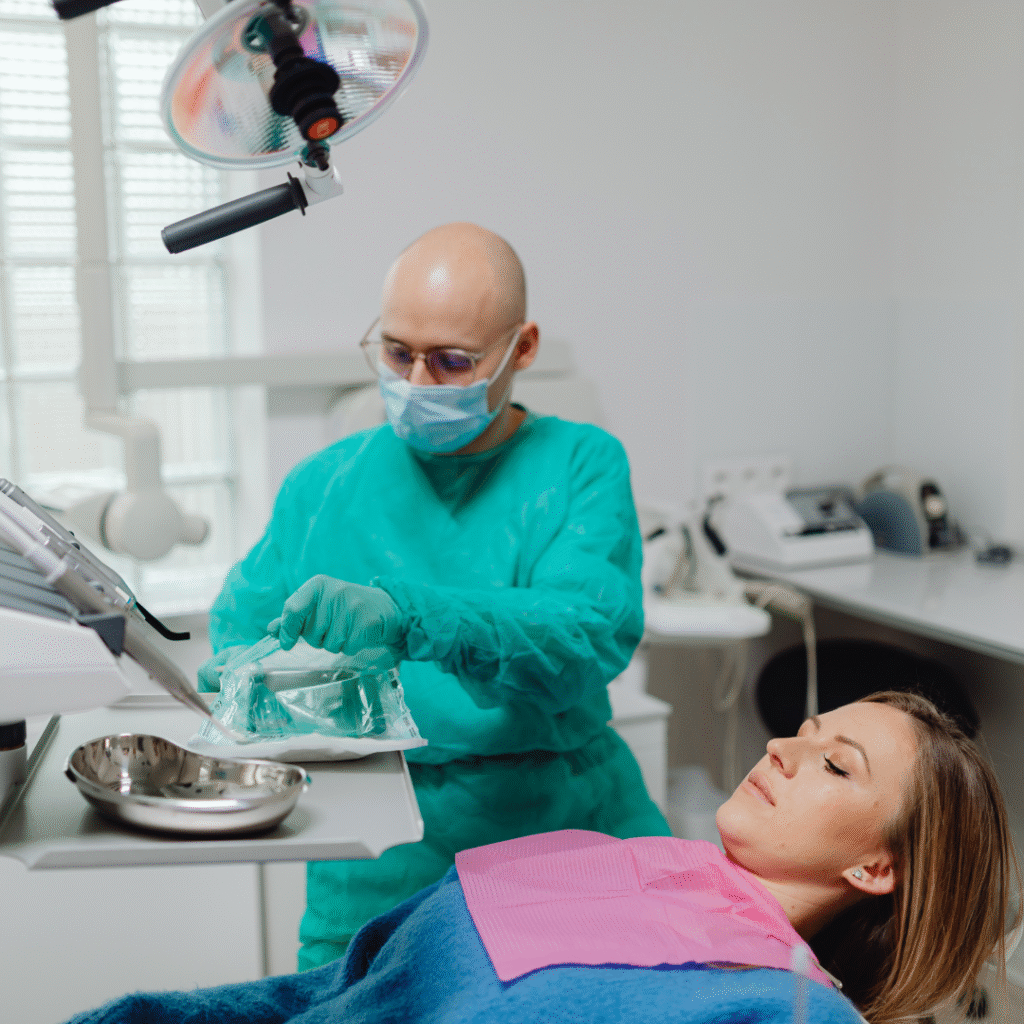
The Canine Impact extraction procedure is an extremely precise oral procedure intended to extract teeth that do not properly rise through into the gum line. Since canines perform an important role when chewing, alignment of the teeth and the aesthetics of smiles, treating damaged canines requires specialist treatment as well as advanced knowledge. Many people are unsure of how to proceed when they undergo the procedure, as well as whether they feel discomforting. This article will walk you through the procedure step-by step in order so that the process is easy to grasp and easier.
Understanding Impacted Canines
What Is an Impacted Canine Tooth?
A tooth which is canine is “impacted” when it is covered by gums and then it’s not able to emerge from its normal position. The reason usually lies in the insufficient space, and misalignment or crowding of the neighboring teeth.
Why Do Canines Become Impacted?
The most common reasons include:
- The baby’s teeth are lost and have been delayed
- Genetic influences
- Orthodontic Crowding
- Abnormal tooth growth direction
Signs You May Have an Impacted Canine
You may notice:
- Pain or pressure at the line of gum
- The area is growing
- The difficulties of chewing
- The gap between the teeth is not closed
Preparing for the Extraction Procedure
Initial Consultation and Evaluation
The procedure starts with consulting. An oral surgeon examines your mouth, and then listen to the complaints of you, before deciding which method is the most effective solution to the problem with the tooth.
Dental X-rays and 3D Imaging
Advance 3D scanning can reveal exact locations and direction of the tooth that is affected and aids the surgeon in determine how close the tooth is to those sinuses, nerves or other root systems.
Treatment Planning and Patient Instructions
A surgeon is expected to go over the procedure, options of anesthesia as well as the ways to recover and the medication used to ensure that the patients know what they are in for.
Step-by-Step Impacted Canine Extraction Procedure
Administration of Anesthesia
The process begins by administering local anesthesia, general anesthesia, or IV sedation depending on the circumstances. The procedure is painless and comfortable.
Surgical Access to the Impacted Tooth
A small cut is created in the gums to expose the tooth which has been damaged.
Removal of Bone or Tissue if Needed
When the tooth has been enclosed by tissues or bone, small pieces of tissue are removed off in order to open teeth in a secured method.
Extraction and Tooth Removal
Once the tooth is apparent, it’s loosened with care and is then removed making use of instruments specially made for the job. Sometimes, teeth can be cut into smaller pieces to facilitate removal.
Stitching and Wound Closure
The surgeon stitches the wound with dissolved sutures which aid in the healing process, and protect the cut.
Recovery After the Procedure
Pain Management and Medications
Patients receive medications for pain as well as antibiotics. These medications can lower inflammation and decrease the chance of contracting an infection.
Eating and Oral Care Tips
Soft food is recommended during the initial day. Be careful when you brush, and stay far away from the area in which surgery was carried out until the wound is healed.
Follow-Up Appointments
A follow-up visit will make sure that the area heals properly and the patient’s healing is properly.
Benefits of Professional Canine Extraction
Prevents Infection and Cysts
The force of a tooth could cause an infection and cysts. These can also result in injuries to teeth that surround them. The removal of them reduces the possibility of injury.
Supports Orthodontic Treatment
The removal of the damaged tooth can help braces and aligners to work efficiently and helps in the attainment of perfect alignment.
Improves Oral Health and Function
The extraction eases the pain, enhances chewing capabilities as well as helps to restore balance when chewing.
Choosing the Right Specialist
Qualities to Look For in an Oral Surgeon
Experience, knowledge as well as the most up-to-date technology, and clear messages is essential when selecting one surgeon.
Why Working With Experienced Professionals Matters
A surgeon that is experienced can perform the surgery safely that reduces the chance of injuries and speeding the healing process.
Seeing the Best Dental Specialist Somerville
Patients are generally more at ease in the hands of specialists who have been recognized as providing the highest quality of care. This is especially true when they’re looking for the best dental specialist somerville experienced dealing with complicated dental issues.
Conclusion
The knowledge of what could happen during a professional impactful extraction will ease your anxieties and assist patients in getting prepared for a less stress-inducing procedure. By utilizing an experienced dentist, the latest technology and an individualized treatment, this process is safe, comfortable and beneficial to your long-term dental health. No matter whether you’re experiencing an injury or you’re planning to undergo orthodontic treatments, getting rid of any issue in your dog prior to them becoming serious can safeguard your smile and help avoid the possibility of future complications.
FAQs
- Is impacted canine extraction painful?
Anesthesia is not necessary It keeps your patient comfortable during the entire procedure. Some soreness might occur afterwards. - What do you think is the time for extraction?
The standard duration of surgery ranges from 45 to 90 minutes dependent on the degree of the difficulty. - How long does it take to heal?
The initial healing process can last from seven to 10 days. Complete tissue healing can be a few weeks away. - Do I need to resume eating as usual after the operation?
It is best restrict your diet to soft foods during the first couple of days. Be careful not to chew near the surgical site. - Is removing a dog who has suffered injury ever required?
In some cases the extraction procedure is suggested when the tooth of yours is in danger of getting in the way of health for your mouth, or is affecting the treatment for orthodontics.