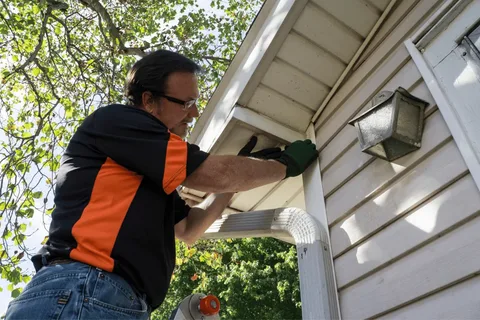
A home’s exterior plays an important role in protecting the building from changing weather conditions while creating a welcoming and attractive appearance. Siding is one of the most visible exterior features, but its benefits extend beyond aesthetics. Properly selected and installed siding can help manage moisture, reduce drafts when combined with effective air sealing, and support the overall performance of the home’s building envelope. Older siding may become cracked, warped, faded, or damaged over time, reducing its ability to protect the underlying structure. Upgrading these materials gives homeowners an opportunity to improve exterior durability, refresh the property’s appearance, and address issues that may affect indoor comfort.
Professional Siding Installation involves choosing suitable materials, preparing the exterior surface, managing moisture, and ensuring that every component fits correctly. Different siding products offer varying levels of durability, insulation compatibility, maintenance requirements, and design flexibility. Homeowners should consider their local climate, architectural style, budget, and long-term maintenance expectations before making a decision. By selecting appropriate materials and working with an experienced contractor, property owners can create an attractive exterior that supports energy efficiency, protects the building from environmental exposure, and maintains its appearance for years.
Understanding How Siding Influences Energy Efficiency
Siding contributes to a home’s overall energy performance by forming part of the exterior building envelope. Although siding alone does not provide complete insulation or eliminate air leakage, it works alongside insulation, weather barriers, windows, and air-sealing components to help maintain comfortable indoor conditions. Damaged siding, poorly sealed openings, and installation gaps can allow moisture or outside air to reach vulnerable areas. These problems may contribute to drafts, discomfort, or higher heating and cooling demands. When planning an exterior upgrade, homeowners should consider whether the existing wall assembly has adequate insulation and effective air sealing. Insulated siding may provide additional thermal resistance in some applications, but its benefits depend on the product, wall construction, and installation quality. A professional assessment can help determine whether siding replacement alone is sufficient or whether additional improvements are needed. Coordinating exterior materials with appropriate insulation and moisture-management systems can help reduce unwanted heat transfer and support a more consistent indoor environment throughout the year.
Exploring Popular Siding Material Options
Choosing a suitable siding material requires balancing appearance, durability, maintenance, and cost. Vinyl siding is widely used because it is available in many colors and profiles and generally requires limited routine maintenance. Fiber cement siding offers a durable option with textures that can resemble wood, making it suitable for various architectural styles. Natural wood siding provides a traditional appearance and can be painted or stained, although it typically requires more maintenance to protect against moisture and deterioration. Engineered wood products offer another alternative for homeowners seeking a wood-inspired finish with specific performance characteristics. Metal siding may suit contemporary designs and can provide durable protection when correctly installed. Each material has advantages and limitations, including different installation requirements, warranties, and expected service lives. Homeowners should also consider exposure to sunlight, humidity, heavy rainfall, wind, and other local conditions. Comparing these factors before Siding Installation begins helps ensure that the selected product meets the property’s practical needs while delivering the desired appearance.
Choosing Insulated Siding for Better Thermal Performance
Insulated siding is designed with an insulating layer attached to or integrated with the siding panels. Depending on the product and wall assembly, this additional layer can improve thermal resistance and help reduce heat transfer through portions of the exterior walls. Some systems may also help limit drafts associated with irregularities in the wall surface when installed as intended. However, insulated siding should not be considered a replacement for properly installed wall insulation or comprehensive air sealing. Its effectiveness depends on the home’s existing construction, installation details, and overall energy performance. Homeowners should review product specifications and ask contractors how the system will integrate with existing insulation, windows, doors, and moisture barriers. In some cases, improving attic insulation or sealing air leaks may offer greater energy savings than changing siding alone. A balanced approach evaluates the entire building envelope rather than relying on one exterior product. Selecting suitable insulated siding can be a valuable part of a broader energy-efficiency strategy when its benefits align with the home’s condition and the homeowner’s improvement goals.
Enhancing Curb Appeal With Colors, Textures, and Design
Siding has a substantial influence on a property’s exterior character, making design choices an important part of any remodeling project. Color, panel orientation, texture, and trim details can change how large, traditional, modern, or distinctive a home appears. Horizontal siding often creates a familiar residential look, while vertical panels may add height and a more contemporary feel. Shingle-style siding can provide decorative detail, particularly on selected architectural features. Homeowners should consider how siding colors coordinate with roofing, window frames, entry doors, exterior lighting, and landscaping. Neutral colors may provide a timeless appearance, while carefully chosen accent colors can highlight architectural details. It is also important to review samples under different lighting conditions because colors may look different in direct sunlight and shade. An experienced contractor can explain how specific products perform and help homeowners evaluate available profiles and finishes. Combining attractive design with practical material selection allows homeowners to improve curb appeal without sacrificing durability or creating unnecessary maintenance demands.
Preparing the Exterior for Proper Siding Installation
Careful preparation is essential for ensuring that new siding performs as intended. Before installation begins, the contractor should inspect the existing exterior and identify damaged siding, deteriorated trim, moisture intrusion, or signs of structural concerns. If old materials are being removed, the underlying sheathing and framing should be assessed where accessible. Any necessary repairs should be completed before the new exterior covering is installed. The contractor may also need to prepare the wall surface, install an appropriate water-resistive barrier, and integrate flashing around windows, doors, corners, and other vulnerable areas. These details help manage water and reduce the risk of moisture reaching the building structure. Proper clearances near the ground, rooflines, and other surfaces are also important because persistent moisture exposure can contribute to material deterioration. Homeowners should ask about preparation procedures, expected timelines, and how landscaping and nearby property features will be protected. Thorough preparation supports a more reliable installation and reduces the likelihood of problems that could otherwise remain hidden behind the new siding.
Understanding Installation Costs and Budget Considerations
The cost of a siding project depends on the property’s size, selected material, labor requirements, building height, and installation complexity. Homes with multiple stories, decorative trim, unusual architectural features, or difficult access may require additional labor. Removing existing siding and disposing of old materials can also affect the budget. If the contractor discovers damaged sheathing, deteriorated framing, or moisture-related problems, additional repairs may be necessary before installation can proceed. Homeowners should request detailed written estimates that identify the materials, labor, removal charges, surface preparation, flashing, trim, and other included services. Comparing proposals with similar scopes of work makes it easier to evaluate pricing accurately. It is also sensible to reserve some money for unexpected repairs that may become visible during construction. While lower upfront costs can be appealing, the cheapest option may not provide the best long-term value if material quality or installation standards are inadequate. Considering maintenance needs, product warranties, durability, and potential energy improvements helps homeowners choose a solution that fits their budget and supports the property’s long-term performance.
Selecting a Qualified Siding Installation Professional
The quality of workmanship plays a major role in the performance and lifespan of new siding. Homeowners should look for contractors who have experience with the selected material and understand the manufacturer’s installation requirements. Reviewing previous projects, checking customer feedback, and requesting references can provide useful insight into a contractor’s reliability. Licensing and insurance should be verified according to local requirements. Before signing an agreement, homeowners should obtain a written contract describing the scope of work, material specifications, payment schedule, estimated timeline, cleanup responsibilities, and warranty coverage. A professional contractor should explain how the installation will manage moisture, protect exterior openings, and accommodate the characteristics of the selected product. They should also communicate how unexpected repairs will be handled if hidden damage is discovered. Clear documentation reduces misunderstandings and helps homeowners understand what the project includes. Choosing an experienced professional supports consistent workmanship, appropriate installation practices, and a finished exterior that meets both functional and aesthetic expectations.
Maintaining New Siding for Long-Term Performance
Regular maintenance helps preserve the appearance and functionality of siding after installation. Homeowners should periodically inspect exterior walls for loose panels, cracks, damaged trim, deteriorated sealant, or visible signs of moisture. Cleaning methods should follow the manufacturer’s recommendations because some materials can be damaged by excessive pressure or harsh chemicals. Gutters and downspouts should remain clear so that rainwater flows away from the building rather than overflowing onto siding and trim. Trees and shrubs should also be maintained to prevent repeated contact with exterior surfaces and allow walls to dry after rainfall. Wood siding may require periodic painting or staining, while other materials may need less frequent maintenance. Any damage around windows, doors, or exterior joints should be evaluated promptly to reduce the risk of water intrusion. Keeping records of inspections, repairs, and warranty information can help homeowners monitor the condition of their siding over time. Consistent maintenance supports long-term durability and helps protect the investment made in the home’s exterior.
Conclusion
Selecting the right siding material is an important decision for homeowners who want to improve energy performance, protect their property, and enhance curb appeal. Different materials offer distinct benefits, so it is essential to consider durability, insulation compatibility, maintenance requirements, local weather conditions, and overall project costs. Proper surface preparation, moisture management, and skilled workmanship are equally important because even high-quality products may underperform when installation details are neglected. Evaluating the entire building envelope can also help homeowners identify opportunities to improve comfort and reduce unnecessary energy use.
Professional Siding Installation provides an opportunity to refresh a home’s appearance while strengthening its exterior protection. By comparing materials carefully, setting a realistic budget, and choosing an experienced contractor, homeowners can make decisions that support both immediate improvements and long-term value. Routine maintenance and timely attention to minor damage will further help preserve the siding’s condition. With thoughtful planning and appropriate installation methods, a siding upgrade can contribute to a more attractive, comfortable, and durable home for years to come.