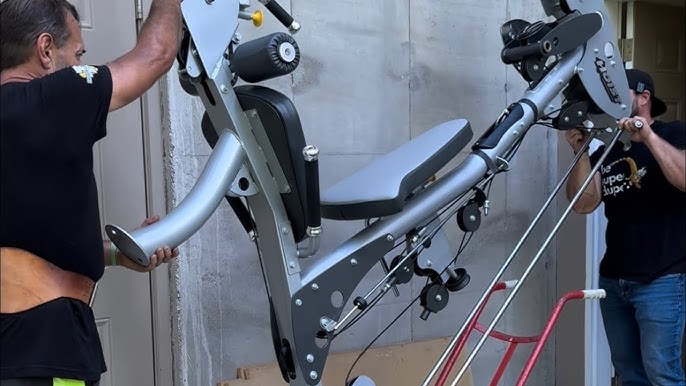
Why This Stuff Is Harder Than It Looks
You’d think fitness equipment disassembly is just unscrewing a few bolts and calling it a day. It’s not. Not even close. Most machines are built tight, heavy, and kind of unforgiving. Treadmills alone can weigh over 100 kilos, and if you don’t know where the tension points are, you can mess something up fast. I’ve seen people strip bolts, crack plastic covers, even snap cables. Not fun. This is where a solid furniture setup service mindset helps, because it’s not just about taking things apart, it’s about doing it clean so it goes back together right later.
What People Get Wrong First Time Around
The biggest mistake? Rushing it. People grab a wrench and just start loosening whatever they see first. That’s how parts get lost or damaged. Another common thing, skipping documentation. No photos, no labeling. Then reassembly becomes a guessing game. Fitness equipment disassembly needs a bit of patience. Not hours, just focus. Treat it like a system, not a pile of metal. Even basic home gym gear has a sequence. Ignore it, and you’ll feel it later.
Understanding How Machines Are Built
Before touching anything, take a minute and actually look at the equipment. Most machines follow a structure: base frame, moving arms, resistance system, and electronics if it’s powered. Treadmills, ellipticals, cable machines… all different, but the idea is the same. When you understand the structure, disassembly becomes logical. This is exactly how a good furniture setup service approaches things. They don’t guess. They read the build first.
Tools Matter More Than You Think
You don’t need a full workshop, but using the wrong tool will slow you down or worse, damage parts. A basic toolkit works, but it should include proper hex keys, adjustable wrenches, and a screwdriver set that actually fits your screws. Sounds obvious, but people still force mismatched tools. That’s how heads get stripped. During fitness equipment disassembly, precision beats force every time. If something isn’t moving, there’s probably a step you missed.
The Right Order Changes Everything
There’s always an order. Always. Start with detachable components like screens, handles, or seats. Then move to structural parts. Never go straight for the base unless you’re sure everything else is off. I’ve seen someone try to fold a treadmill without removing the console first… yeah, it didn’t end well. A professional furniture setup service follows reverse assembly logic. You’re basically rewinding the build process. Simple idea, but people ignore it.
Handling Heavy Parts Without Breaking Your Back
Let’s be honest, some of this stuff is heavy. Really heavy. Trying to handle it solo is where injuries happen. If a part looks awkward, it probably is. Get help. Or at least use sliders or support blocks. Fitness equipment disassembly isn’t about proving strength. It’s about control. One wrong move and you’re dealing with a damaged frame or worse, a pulled muscle. Not worth it.
Keeping Track of Small Parts (This Is Where People Lose It)
Bolts, washers, screws. They disappear fast. You set them down “just for a second” and suddenly they’re gone. Use small containers, zip bags, anything. Label them if needed. It feels like overkill until you’re reassembling and can’t find the right screw. A good furniture setup service always organizes parts as they go. That’s not extra work. That’s what saves time later.
When Electronics Are Involved, Slow Down
Modern equipment often has wiring, sensors, screens. This is where things get tricky. Don’t yank cables. Ever. Disconnect gently and note where everything goes. Take photos if needed. Fitness equipment disassembly involving electronics requires a bit more care. You don’t need to be an expert, just don’t treat it like a dumb machine. It’s not.
Moving and Storage After Disassembly
Taking it apart is only half the job. What you do next matters just as much. Stack parts carefully. Keep frames upright if possible. Protect delicate components. If you’re moving houses or relocating a gym, this step decides whether your equipment survives the trip. A reliable furniture setup service usually handles both disassembly and setup for this reason. It’s all connected.
When It Makes Sense to Call Professionals
Look, sometimes it’s just smarter to step back. If the equipment is expensive, complex, or just too heavy, calling a furniture setup service is the safer move. No guessing, no stress. They’ve done it before, probably hundreds of times. Fitness equipment disassembly can go wrong quickly if you’re unsure. And fixing mistakes usually costs more than doing it right the first time.
Conclusion: Do It Smart, Not Fast
At the end of the day, fitness equipment disassembly is about control and awareness. Not speed. Not brute force. Take your time, understand the structure, keep things organized, and don’t ignore the small details. That’s really it. Whether you do it yourself or hire a furniture setup service, the goal stays the same. Protect the equipment, and make reassembly easy. If you rush, you pay for it later. Simple as that.
FAQs
What is the safest way to start fitness equipment disassembly?
Start by unplugging any power source and removing smaller, detachable parts first. Take photos before you begin so you have a reference later.
Can I disassemble gym equipment by myself?
Yes, but only if the equipment is manageable in size and weight. For heavier machines, having help or using a furniture setup service is a better option.
How long does fitness equipment disassembly usually take?
It depends on the machine. Simple benches might take 20 minutes. Larger equipment like treadmills can take over an hour if done carefully.
Do I need special tools for disassembly?
Not really. A basic toolkit works fine, as long as the tools fit properly. Using the wrong size tools can damage parts.
Is hiring a furniture setup service worth it?
If the equipment is expensive, complex, or you’re short on time, yes. It saves effort and reduces the risk of damage.