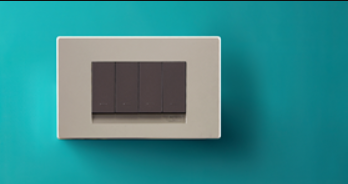
The electrical systems inside homes, offices, industries, and commercial spaces have evolved significantly over the years. Today, the demand for convenience, safety, and efficiency has led to the widespread adoption of modern switches—an advanced category of electrical switching devices designed to enhance usability, aesthetics, and performance. Alongside these modern innovations, the manual bypass switch has become an essential component in electrical circuits that require an uninterrupted flow of power and reliable system control.
This comprehensive guide explores the benefits, features, and key functions of modern switches, while also shedding light on the importance and applications of the manual bypass switch in today’s electrical setups.
Introduction to Modern Electrical Switching Systems
Switches are among the most frequently used electrical accessories, yet they often go unnoticed in daily life. From turning on a light to operating sophisticated equipment, switches enable a safe and controlled flow of electricity. The arrival of modern switches has transformed these simple devices into sophisticated elements that offer improved durability, style, intelligent control, and advanced safety mechanisms.
At the same time, electrical circuits in industries, pumps, HVAC systems, and emergency applications rely on the manual bypass switch to ensure consistent power delivery during maintenance, troubleshooting, or automation failure. Both technologies play critical roles in achieving seamless electrical operation in modern infrastructures.
What Are Modern Switches?
Modern switches are upgraded, technology-driven switching devices designed with enhanced functionality, better aesthetics, and improved electrical performance. They go beyond traditional toggle switches and include features that support automation, energy efficiency, and user convenience.
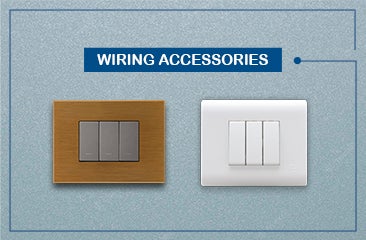
Key Characteristics of Modern Switches
- Sleek and Contemporary Design
These switches are available in stylish finishes, glass panels, minimalistic frames, and modular layouts that complement modern interiors.
- Enhanced Durability
Built with high-quality materials such as polycarbonate, fire-retardant components, and improved contact mechanisms, offering long-lasting performance.
- Smart Operation Options
Many modern switches support remote control, touch operation, Wi-Fi integration, and sensor-based activation.
- Safety Features
Advanced insulation, spark-prevention design, shuttered sockets, and overload protection reduce electrical hazards.
Types of Modern Switches
- Touch Switches
Operated with a single tap, these switches offer silent operation and a premium user experience.
- Wi-Fi and Smart Switches
It can be controlled using smartphone apps, voice assistants, or automation systems.
- Dimmer Switches
Allow users to adjust the brightness of lights, improving ambiance and saving energy.
- Modular Switches
Highly customizable, modular switches allow different combinations of switches, sockets, and control units in a single frame.
- Sensor-Based Switches
Ideal for washrooms, corridors, and commercial spaces where automatic operation ensures convenience and energy efficiency.
Benefits of Modern Switches
- Ease of Use and Convenience
With features like remote access, multiple control modes, touch panels, and smart automation, modern switches make everyday electrical usage effortless.
- Improved Energy Efficiency
Smart switches and dimmers optimize electricity consumption and help users lower their energy bills.
- Enhanced Safety
Overload protection, shuttered sockets, and fire-resistant materials make modern switching systems far safer than older models.
- Aesthetic Appeal
Stylish finishes, LED indicators, and contemporary designs elevate the aesthetic value of any room.
- Customization
Modular configurations allow users to personalize switch layouts based on their needs and interior design.
- Longevity and Reliability
Advanced components and robust engineering ensure that modern switches offer consistent performance for years.
Understanding the Manual Bypass Switch
While modern switching systems elevate comfort and style, the manual bypass switch plays a crucial role in maintaining the operational continuity of electrical circuits—especially in systems where automation or timer-based control is used.
A manual bypass switch is a mechanism that allows users to manually override automated or controlled circuits to ensure power flow when the primary system is unavailable or under maintenance.
Why Is a Manual Bypass Switch Important?
- Ensures Uninterrupted Power Supply
In applications like water pumps, lighting circuits, HVAC units, and industrial machinery, manual bypass capability prevents downtime during maintenance or faults in the controller.
- Bypasses Automation When Needed
Automation systems can fail due to power surges, programming issues, or component damage. A manual bypass switch enables manual operation until repairs are made.
- Improves Safety
By giving the operator direct control over the circuit, the bypass mechanism ensures safe handling during emergencies.
- Facilitates Maintenance and Testing
Technicians can isolate or bypass specific components to perform inspections, repairs, or equipment testing without disrupting the entire electrical system.
Common Applications of Manual Bypass Switch
- Submersible Pump Control Panels
Many pump systems rely on automation using float switches or timers, but a manual bypass switch ensures the water supply continues if automation fails.
- HVAC and Air Handling Units
Used during filter cleaning, motor replacement, or control system maintenance to manually operate the blower or fan.
- Solar Inverter and Backup Power Systems
Facilitates the switching between grid, generator, and inverter modes during system failure.
- Industrial Machines
Ensures production continues even if the main control circuit malfunctions.
- Lighting Systems
Used to manually override automated lighting in commercial complexes or emergency areas.
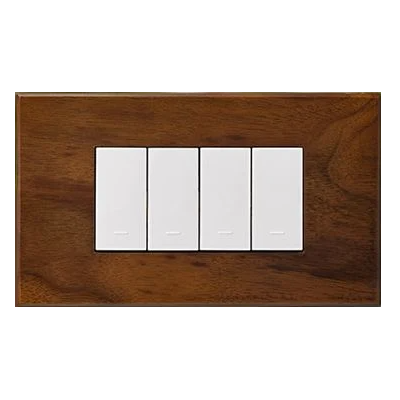
Features of a Good Manual Bypass Switch
- High Durability
A robust build ensures long-term reliability even under heavy loads.
- Clear ON/OFF Indication
Proper labeling reduces the risk of operational errors.
- Safe Insulation and Contact Mechanism
Ensures user safety during manual switching.
- Easy Accessibility
The switch should be placed in a user-friendly location for immediate control.
- Compatible with Automation Panels
The bypass mechanism should integrate smoothly with existing electrical setups.
How Modern Switches and Manual Bypass Switch Complement Each Other
Even as technology advances, the need for reliable manual control remains. Here’s how both components work together:
- Combination of Style and Functionality
While modern switches offer style and intelligence, bypass switches deliver operational security.
- Redundancy for Safety
Smart systems may fail due to power fluctuations, but a manual bypass switch ensures the operation doesn’t halt.
- Enhanced User Control
Users can choose between automated convenience and manual reliability whenever needed.
- Suitable for Smart Homes and Industrial Environments
Together, these solutions create a balance between modern electrical design and practical control.
Installation Guidelines for Modern Switches and Bypass Switches
- Professional Installation
Always hire a trained electrician to ensure compliance with safety standards.
- Use High-Quality Components
Premium-grade switches reduce risks such as overheating, short circuits, or frequent replacements.
- Consider Load Requirements
Evaluate the voltage and current ratings before selecting modern switches or bypass switches.
- Proper Wiring and Insulation
Correct wiring is essential for ensuring long-term safety and system efficiency.
- Test the System Regularly
Routine checks help identify faults early and maintain seamless performance.
Future Trends in Modern Electrical Switching
The electrical industry continues to innovate. Here are the upcoming trends:
- Touchless Switches
Using motion or proximity sensors for germ-free operation.
- IoT-Integrated Switching
Connected switches that sync with home automation systems.
- Smart Energy Monitoring
Switches capable of tracking energy usage per appliance.
- Voice-Activated Control
Switches responding to voice assistants for hands-free operation.
- Ultra-Modular Designs
More flexible layouts suitable for premium interiors and commercial spaces.
Conclusion
As electrical systems evolve, both modern switches and the manual bypass switch play essential roles in creating safe, efficient, and user-friendly environments. Modern switches elevate lifestyle and convenience through intelligent features, aesthetic appeal, and advanced safety. Meanwhile, the manual bypass switch adds a layer of reliability, ensuring uninterrupted operation during emergencies, maintenance, or control system failures.
For high-quality electrical solutions and expert guidance on selecting the right switches, bypass systems, and control components, Lauritz Knudsen Electrical and Automationremains a trusted and professional choice for modern infrastructure needs.