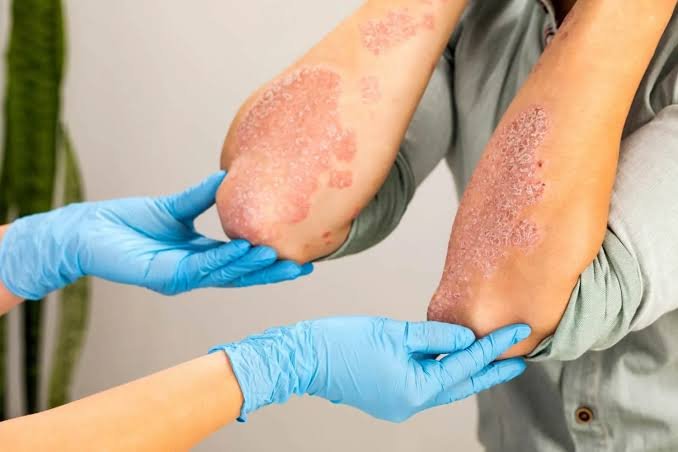
Eczema is a common skin condition that causes dryness, itching, redness and inflammation. Atopic dermatitis, the most common form of eczema, can affect people of all ages and may lead to recurring flare-ups. Although moisturisers, prescribed creams and appropriate medical treatments play an important role in controlling symptoms, nutrition may also support overall skin health. Certain nutrients help maintain the skin barrier, support immune function and protect skin cells from oxidative stress.
Eczema and Nutritional Support is an important topic for people looking for practical ways to care for sensitive and inflamed skin. A balanced diet provides essential vitamins, minerals, healthy fats and proteins that contribute to normal skin function. However, nutritional support should not be considered a cure for eczema, and research has not established that specific supplements can reliably prevent or treat flare-ups.
In this article, we explore eight nutrients that may benefit skin health, explain their dietary sources and discuss what people with eczema should know before taking supplements.
How Does Nutrition Affect Eczema?
The skin acts as a protective barrier that helps retain moisture and prevent irritants, allergens and microorganisms from entering the body. In people with eczema, this barrier may not function properly, making the skin more vulnerable to dryness, irritation and inflammation.
Nutrition supports several processes involved in maintaining healthy skin. Vitamins help protect cells, minerals contribute to normal tissue function, proteins provide building blocks for skin repair, and essential fatty acids support normal cell membranes.
Some researchers have investigated whether nutritional deficiencies contribute to eczema severity. However, findings remain mixed. A 2023 systematic review published in JMIR Dermatology found that evidence supporting individual nutritional supplements for atopic dermatitis was generally weak. A 2025 review, published in Dermatitis, also highlighted the need for more high-quality research.
Therefore, people should focus on meeting their nutritional requirements rather than relying on supplements as eczema treatments.
8 Nutrients That May Benefit Your Skin
1. Vitamin D: Supporting Immune and Skin Function
Vitamin D plays several important roles in the body, including supporting immune function, bone health and normal skin processes. Researchers have investigated its potential relationship with eczema because immune system activity contributes to the development of atopic dermatitis.
Some studies suggest that people with eczema may have lower vitamin D levels than those without the condition. Other research has explored whether correcting a deficiency may help improve symptoms, particularly in certain populations.
However, results are inconsistent, and vitamin D supplementation does not benefit everyone with eczema.
Food sources of vitamin D include:
- Oily fish, such as salmon and sardines.
- Egg yolks.
- Fortified milk and dairy alternatives.
- Fortified breakfast cereals.
- Some mushrooms exposed to ultraviolet light.
If you suspect a vitamin D deficiency, speak with a healthcare professional about whether testing or supplementation is appropriate. Avoid taking high doses without medical advice.
2. Omega-3 Fatty Acids: Supporting Healthy Skin Cells
Omega-3 fatty acids are essential fats involved in normal cell membrane function and several inflammatory processes. They include EPA and DHA, which are mainly found in oily fish, and ALA, which comes from plant foods.
These fats have attracted attention in eczema research because inflammation is involved in atopic dermatitis. Some studies suggest that omega-3 fatty acids may influence inflammatory pathways, but there is not enough consistent clinical evidence to establish them as an effective eczema treatment.
Including omega-3-rich foods in your diet can still support general health.
Good dietary sources include:
- Chia seeds.
Try to include a variety of these foods as part of a balanced eating pattern. If you are considering fish oil supplements, discuss possible benefits, interactions and suitability with your healthcare professional.
3. Vitamin E: Protecting Skin Cells From Oxidative Stress
Vitamin E is a fat-soluble antioxidant that helps protect cell membranes from oxidative damage. It also contributes to normal immune function and helps maintain healthy body tissues.
Oxidative stress has been investigated in inflammatory skin conditions, including eczema. Some research has explored vitamin E supplementation as a possible supportive approach, but the evidence remains limited.
Getting sufficient vitamin E through food is generally preferable to taking high-dose supplements.
Foods rich in vitamin E include:
- Sunflower seeds.
- Vegetable oils, such as sunflower oil.
People with eczema can include these foods in a balanced diet to support normal nutritional needs. However, vitamin E should not replace prescribed eczema treatments or regular skin care.
4. Zinc: Supporting Skin Repair and Immune Function
Zinc is an essential mineral involved in immune function, protein production, cell division and wound healing. It also contributes to the maintenance of healthy skin.
Because eczema can damage the skin barrier through persistent itching and scratching, zinc is sometimes discussed as a nutrient that supports normal skin repair.
However, there is insufficient evidence that zinc supplements improve eczema symptoms in people who do not have a deficiency. The American Academy of Dermatology also notes that research has not established zinc supplementation as an effective eczema treatment.
Dietary sources of zinc include:
- Meat and poultry.
- Pumpkin seeds.
- Dairy products.
People following vegetarian or vegan diets should pay attention to zinc intake because plant-based sources may contain compounds that reduce zinc absorption.
Avoid excessive zinc supplementation because high doses can interfere with copper absorption and cause other health problems.
5. Vitamin C: Supporting Collagen Production
Vitamin C is an essential antioxidant that contributes to collagen production. Collagen is a structural protein that supports the skin, blood vessels and connective tissues.
Vitamin C also helps protect cells from oxidative damage and supports normal immune function. These roles make it an important nutrient for maintaining general skin health.
However, there is currently insufficient clinical evidence to suggest that vitamin C supplements directly reduce eczema symptoms or prevent flare-ups.
Including vitamin C-rich foods in your daily diet is a sensible way to meet nutritional requirements.
Excellent sources include:
- Kiwi fruit.
- Bell peppers.
Fresh fruits and vegetables can provide vitamin C alongside fibre and other beneficial nutrients. People with eczema should also remember that citrus fruits and other acidic foods may irritate the skin if they come into direct contact with affected areas, although eating them does not automatically trigger eczema.
6. Vitamin A: Maintaining Normal Skin Development
Vitamin A is important for normal cell growth, immune function and the maintenance of healthy skin tissues. It contributes to the development and replacement of skin cells.
There are two main dietary forms: preformed vitamin A, found in animal foods, and provitamin A carotenoids, found in colourful fruits and vegetables.
Although vitamin A is essential for healthy skin, there is no convincing evidence that additional vitamin A supplements treat eczema.
Dietary sources include:
- Sweet potatoes.
- Dairy products.
A varied diet generally provides sufficient vitamin A for most people. Be particularly careful with high-dose vitamin A supplements because excessive intake can cause toxicity and may be harmful during pregnancy.
7. Selenium: Supporting Antioxidant Defence
Selenium is an essential trace mineral that helps the body produce antioxidant enzymes. These enzymes protect cells against oxidative damage and contribute to normal thyroid and immune function.
Researchers have investigated selenium because oxidative stress may play a role in inflammatory skin conditions. Nevertheless, there is not enough reliable clinical evidence to recommend selenium supplementation for eczema management.
Obtaining selenium through food is generally a safer approach for people without a diagnosed deficiency.
Foods containing selenium include:
- Fish and seafood.
- Whole grains.
- Sunflower seeds.
- Brazil nuts.
The amount of selenium in plant foods can vary depending on the soil in which they grow. Brazil nuts can contain particularly high amounts, so eating large quantities regularly is not recommended.
Excessive selenium intake can cause toxicity, including hair loss, brittle nails and digestive problems.
8. Protein: Providing Building Blocks for Skin Repair
Protein is an essential macronutrient required for tissue maintenance, cell development and normal immune function. It supplies amino acids that the body uses to produce collagen, enzymes and other important proteins.
People with eczema may experience damaged skin because of repeated scratching, irritation and inflammation. Adequate protein intake helps support the body’s normal tissue maintenance and repair processes.
However, eating additional protein does not directly cure eczema or guarantee faster recovery from flare-ups.
Healthy protein sources include:
- Milk and yoghurt.
Try to include suitable protein sources throughout the day. People with known food allergies should choose alternatives that meet their nutritional requirements without triggering allergic reactions.
Can a Balanced Diet Help Manage Eczema?
A balanced diet can support general health and help prevent nutritional deficiencies. However, there is no single eczema diet that works for everyone.
Some people notice that particular foods appear to trigger symptoms. Nevertheless, food sensitivities and eczema triggers vary between individuals. Removing several food groups without professional guidance may lead to nutritional deficiencies, particularly in children.
Consider the following dietary habits:
- Eat a variety of colourful fruits and vegetables.
- Include suitable sources of protein with meals.
- Choose healthy fats from fish, nuts and seeds.
- Include whole grains and fibre-rich foods.
- Drink enough water throughout the day.
- Limit highly processed foods if they displace more nutritious options.
If you suspect a food allergy, discuss your symptoms with a healthcare professional rather than starting an unnecessarily restrictive diet.
Herbal Treatment for Eczema: What Should You Know?
Interest in Herbal Treatment for Eczema continues to grow because many people prefer natural approaches to supporting their skin. However, natural products are not automatically safe or effective.
Some herbal ingredients have been investigated for their potential anti-inflammatory or moisturising properties. Nevertheless, clinical evidence supporting most herbal eczema treatments remains limited.
Certain botanical products, fragrances and essential oils can also cause allergic contact dermatitis or worsen skin irritation.
Before applying an herbal cream, oil or other preparation, consider the following precautions:
- Choose products with clearly listed ingredients.
- Avoid heavily fragranced preparations.
- Do not apply undiluted essential oils to affected skin.
- Test a new product on a small area of unaffected skin first.
- Stop using any product that causes burning, redness or increased itching.
- Consult a dermatologist before combining herbal products with prescribed medicines.
Herbal preparations should complement appropriate skin care rather than replace medically recommended treatment.
Natural Remedies For Eczema: Additional Skin Care Tips
Alongside nutritional support, several practical habits may help reduce dryness and irritation. These approaches focus on protecting the skin barrier and identifying personal triggers.
- Moisturise regularly:Apply a fragrance-free cream or ointment after bathing and whenever your skin feels dry. Regular moisturising helps reduce water loss.
- Take lukewarm baths:Hot water can remove natural oils from the skin. Choose short, lukewarm baths or showers and use gentle, fragrance-free cleansers.
- Wear comfortable clothing:Soft cotton fabrics may reduce friction and irritation. Avoid rough materials if they worsen itching.
- Identify personal triggers:Sweat, fragrances, detergents, temperature changes and stress can contribute to flare-ups in some people. Keeping a symptom diary may help identify patterns.
- Avoid scratching:Scratching can damage the skin barrier and increase the risk of infection. Keep fingernails short and use a cool compress to help soothe itching.
These Natural Remedies For Eczema can support everyday skin care, but they do not replace prescribed treatments.
When Should You Seek Medical Advice?
Eczema symptoms can range from mild dryness to severe inflammation that affects sleep and daily activities. Consult a healthcare professional if your symptoms persist, worsen or do not respond to your usual skin care routine.
Seek prompt medical attention if affected skin becomes increasingly painful, warm or swollen, develops pus, or forms spreading crusts. These symptoms may indicate a skin infection.
You should also seek medical advice before taking nutritional supplements if you are pregnant, breastfeeding, taking regular medicines or managing another health condition.
A dermatologist can recommend appropriate treatments, including moisturisers, topical corticosteroids and other prescription therapies, depending on the severity of your condition.
Final Thoughts on Eczema and Nutritional Support
Eczema and Nutritional Support can be important parts of a broader approach to maintaining healthy skin. Vitamin D, omega-3 fatty acids, vitamin E, zinc, vitamin C, vitamin A, selenium and protein all contribute to normal bodily functions that support skin health.
However, no individual nutrient or supplement has been proven to cure eczema. Research findings remain mixed, and supplementation is most useful when it addresses an identified nutritional deficiency or a specific healthcare need.
Focus on eating a varied, balanced diet, maintaining a consistent moisturising routine and following appropriate medical advice. Natural approaches may complement conventional eczema care, but they should never delay effective treatment.
For people exploring options through Natural Herbs Clinic, it is important to prioritise ingredient safety, evidence-based information and professional guidance when considering herbal products or nutritional supplements.
Medical Disclaimer: This article is intended for general educational purposes only and does not provide medical advice, diagnosis or treatment. Nutritional supplements and herbal preparations may cause side effects or interact with medicines. Consult a qualified healthcare professional before making dietary changes or starting any supplement for eczema.