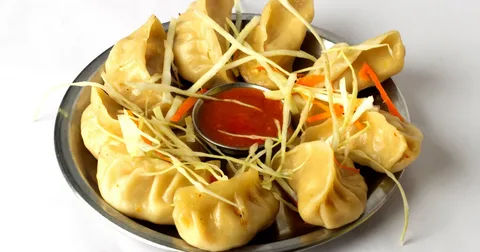
Momos, the steamed dumplings that originated in Tibet and spread across South Asia, have captured the hearts of food lovers worldwide. Among the many variations, the chilli momo stands out for its fiery flavor and tangy sauce, offering a unique culinary experience that combines soft dough, savory filling, and a zesty punch. In the UK, this spicy dumpling is gaining recognition not only in restaurants but also in casual street food scenes.
Chilli momos are more than just a snack—they reflect the fusion of traditional Himalayan cuisine with contemporary tastes. Whether enjoyed as a quick bite or a shared appetizer, they exemplify how regional recipes adapt to local palettes without losing their cultural essence. This article delves into the origins, preparation, variations, and cultural significance of the chilli momo.
Origins of the Chilli Momo
Momos have a rich history tracing back to the mountainous regions of Tibet and Nepal. Originally, they were simple dumplings filled with minced meat or vegetables, steamed to perfection. The introduction of the chilli momo came as cooks experimented with spicy sauces, often incorporating local chilies, garlic, and soy-based marinades.
In the UK, Himalayan and Nepali communities have brought these dumplings into urban food culture, leading to variations that appeal to both traditionalists and spice enthusiasts. The chilli momo specifically highlights the adaptation of classic recipes to suit bolder flavor preferences, making it a favorite among adventurous eaters.
Ingredients and Preparation Techniques
At its core, a chilli momo comprises a thin dough wrapper encasing a filling of choice. The fillings can range from minced chicken or pork to vegetables like cabbage, carrots, and onions. The key to a well-balanced chilli momo lies in the seasoning:
-
Chilies: Fresh or dried, they provide heat without overwhelming the flavor.
-
Garlic and Ginger: Enhance aroma and depth.
-
Soy Sauce and Vinegar: Add umami and tang, balancing the spiciness.
-
Optional Nuts or Seeds: Some recipes include crushed peanuts or sesame seeds to add texture.
Preparation involves mixing the filling, rolling out the dough into small discs, enclosing the filling, and steaming until the dumplings are soft yet firm. The finishing touch is the chilli sauce, either served as a dip or drizzled over the dumplings, giving the chilli momo its signature kick.
Variations Across the UK
In cities like London, Manchester, and Birmingham, food enthusiasts can find creative interpretations of the chilli momo. Some establishments offer fried versions for a crispy texture, while others serve Best chilli momo, where dumplings are tossed in a thick, tangy sauce. Vegetarian options, often using paneer or tofu, are also popular among plant-based diners.
One notable example is Royal Bahaar, a UK-based eatery that balances traditional recipes with contemporary flair. Their chilli momo retains the classic steam-cooked texture but introduces a mild chilli-garlic sauce suitable for varied palates. Such adaptations demonstrate how culinary traditions evolve when introduced to new cultural contexts.
Nutritional Considerations
While chilli momos are undoubtedly delicious, they also offer nutritional value depending on their ingredients and preparation method. Steamed versions are generally lower in fat compared to fried varieties. Vegetable fillings provide fiber and essential vitamins, whereas lean meats contribute protein.
For those monitoring spice intake, the heat level can be adjusted without compromising taste. Using fresh chilies instead of pre-made sauces allows greater control over sodium and preservatives, aligning with modern preferences for healthier, wholesome snacks.
Chilli Momos as Cultural Experiences
Beyond taste, chilli momos offer a glimpse into the Himalayan food culture. They are often shared in communal settings, reflecting the social aspect of dining. Festivals, street fairs, and food markets in the UK increasingly feature these dumplings, providing an opportunity for culinary exploration.
In restaurants, chefs often provide a small narrative about the dish’s heritage, helping diners appreciate not only the flavors but also the cultural journey behind the chilli momo. This approach enhances the overall dining experience, making it both educational and flavorful.
Practical Tips for Making Chilli Momos at Home
For home cooks eager to try their hand at chilli momos, a few practical tips can improve the outcome:
-
Use Fresh Ingredients: Fresh vegetables and meat yield better flavor and texture.
-
Maintain Dough Consistency: Soft but not sticky dough ensures easy folding.
-
Balance Heat and Flavor: Mix chillies with other aromatic spices to prevent overpowering.
-
Steam Properly: Overcooking can make the dough tough, while undercooking leaves it raw.
-
Experiment with Sauces: Try varying the chilli-garlic sauce with soy, vinegar, or sesame oil to create signature flavors.
These small adjustments can transform a simple recipe into a memorable dish, highlighting the versatility of the chilli momo.
Conclusion
The best chilli momo represents more than just a spicy snack—it embodies cultural exchange, culinary creativity, and the enduring appeal of comfort food. In the UK, its rise reflects both a respect for tradition and an appetite for innovative flavors. Whether enjoyed at an authentic Himalayan restaurant, a street food stall, or made at home, chilli momos provide a flavorful exploration of taste, technique, and culture, making them a cherished addition to the modern food landscape.