There’s something uniquely Australian about our relationship with cars. We drive them across red dirt roads, through coastal highways, and into the heart of cities like Brisbane. But when a vehicle reaches the end of its roadworthy life—whether through an accident, mechanical failure, or simply age—many Queenslanders face an uncomfortable question: What now?
The answer might be simpler than you think. Brisbane’s cash-for-cars industry has evolved dramatically over the past decade, transforming from dodgy backyard operations into legitimate, efficient services that put money in your pocket whilst removing that eyesore from your property. If you’ve got a damaged vehicle taking up space, connecting with damaged car buyers Brisbane has become remarkably straightforward, often taking less than 24 hours from initial contact to cash in hand.
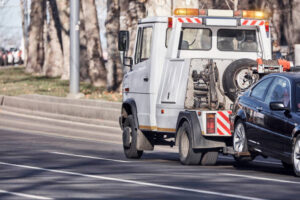
What makes this service particularly appealing is the combination of instant payment and complimentary towing—two features that address the biggest pain points for anyone trying to offload a non-functioning vehicle. Gone are the days of paying hundreds for towing services or waiting weeks for payment to clear. The modern approach prioritises speed, convenience, and transparency, qualities that resonate strongly with Brisbane’s no-nonsense culture.
Understanding the Cash-for-Cars Ecosystem
The vehicle removal industry operates on principles that benefit everyone involved. Salvage yards and car recyclers need a steady supply of end-of-life vehicles to extract valuable materials—everything from steel and aluminium to catalytic converters and electronic components. Meanwhile, car owners need a hassle-free way to dispose of vehicles that are beyond economical repair.
Recent data from the Australian Automotive Recycling Authority indicates that approximately 500,000 vehicles reach end-of-life status across Australia annually. In Queensland alone, that translates to roughly 75,000 vehicles each year. Brisbane, as the state’s largest metropolitan area, accounts for a significant portion of this figure.
The economics are straightforward. A typical damaged sedan might contain:
- 65% ferrous metals (steel)
- 10% non-ferrous metals (aluminium, copper, brass)
- 5% rubber and plastics suitable for recycling
- Valuable components like catalytic converters containing precious metals
These materials hold genuine market value, which is why reputable buyers can offer cash on the spot. They’re not doing you a favour—they’re running a legitimate business with profit margins built on efficient material recovery and resale.
What Qualifies as a ‘Damaged’ Vehicle?
The term ‘damaged’ casts a wide net in the industry. It’s not limited to cars that have been in serious accidents, though those certainly qualify. Here’s what typically falls under this category:
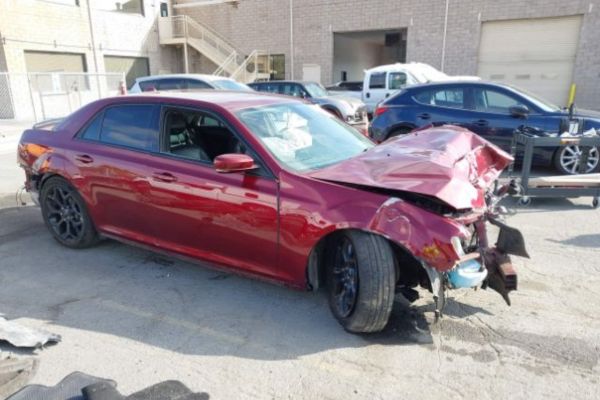
Accident-Damaged Vehicles Cars that have been written off by insurance companies or sustained collision damage that exceeds repair costs. Even if your vehicle has been declared a statutory write-off, it still contains recyclable materials with monetary value.
Mechanically Failed Cars Vehicles with blown engines, failed transmissions, or catastrophic mechanical issues. When a mechanic tells you the repair bill will exceed the car’s value, that’s typically when it makes sense to sell for parts.
Old and Unroadworthy Vehicles That 1998 Commodore that hasn’t moved in three years? It qualifies. Age and neglect create vehicles that, whilst not technically ‘damaged’, are no longer viable for road use.
Fire or Flood-Affected Cars Brisbane’s weather patterns occasionally deliver severe storms and flooding. Water-damaged vehicles, even if they appear intact, often suffer electrical and mechanical issues that make them uneconomical to restore.
Incomplete or Project Cars Half-finished restoration projects or vehicles stripped for parts still contain valuable materials worth cash.
The Real Benefits Beyond the Obvious
Most people focus on the cash payment—understandably so. However, the advantages extend further than immediate financial return.
Environmental Responsibility Leaving a damaged car to rust on your property isn’t just unsightly; it’s environmentally problematic. Vehicles contain fluids (oil, coolant, brake fluid) that can contaminate soil and groundwater. Professional recyclers properly drain and dispose of these materials according to environmental regulations. According to the Australian Bureau of Statistics, proper vehicle recycling prevents approximately 400 million litres of hazardous fluids from entering ecosystems annually.
Space Reclamation Brisbane property values continue climbing. That space occupied by a non-functional vehicle could serve better purposes—whether it’s extending your outdoor entertaining area, creating additional parking for a working vehicle, or simply improving your home’s street appeal.
Administrative Relief Even if a car isn’t roadworthy, you might still be paying registration or insurance. Removing it from your property eliminates these ongoing costs and the administrative burden of maintaining documentation for a vehicle you’ll never drive again.
Speed of Transaction Traditional private sales involve advertising costs, tyre-kickers, negotiations, and potential safety concerns about strangers visiting your property. Cash-for-cars services eliminate all of this, typically completing transactions within 24-48 hours.
How the Process Actually Works
The streamlined nature of modern services stands in stark contrast to what many Brisbane residents expect. Here’s the typical timeline:
Initial Contact (5-10 minutes) You provide basic details about your vehicle—make, model, year, condition, and location. Most services accept inquiries via phone, website forms, or even WhatsApp.
Quote Generation (immediate to 2 hours) Based on current scrap metal prices and your vehicle’s specific attributes, you receive a cash offer. Reputable services provide this with no obligation.
Scheduling (same day to 48 hours) Once you accept, a collection time is arranged at your convenience. Morning, afternoon, weekend—flexibility is standard.
Collection and Payment (30-45 minutes) A tow truck arrives, the driver inspects the vehicle to verify it matches your description, paperwork is completed, and you receive payment. Most services offer cash, bank transfer, or both options.
The entire process from initial contact to money in hand typically spans 24 hours. For urgent situations, some Brisbane services offer same-day removal.
Understanding Fair Market Value
One common concern involves pricing transparency. How do you know if the offer is fair?
Scrap metal prices fluctuate based on global commodity markets. Steel prices, in particular, impact what buyers can offer. As of mid-2024, scrap steel prices in Australia hover around $250-350 per tonne, though this varies based on quality and market conditions.
A typical small car (Corolla, Civic, Golf) weighs approximately 1,000-1,300 kilograms. A larger vehicle (Commodore, Falcon, SUV) might weigh 1,500-2,000 kilograms. However, the weight alone doesn’t determine value.
Factors affecting your quote include:
- Current scrap metal market prices
- Vehicle make and model (some parts have higher resale value)
- Presence of valuable components (catalytic converters, for instance)
- Accessibility for towing
- Completeness of the vehicle
- Current demand for parts from your vehicle type
For context, Brisbane residents typically receive between $300-$2,000 for damaged vehicles, with most transactions falling in the $500-$800 range. High-demand models or vehicles with sought-after parts command premiums.
Recognising Legitimate Operators
Brisbane’s market includes both reputable businesses and operators you’d be wise to avoid. Here’s how to distinguish between them:
Licensed and Insured Legitimate services hold proper business licenses and carry appropriate insurance. Don’t hesitate to ask for proof.
Transparent Pricing Quality operators provide quotes without pressuring you for immediate decisions. They explain how they arrived at their offer.
No Hidden Fees The quote you receive should be the amount you get—no deductions for towing, paperwork, or surprise “processing fees.”
Professional Communication Prompt responses, clear explanations, and respectful interactions indicate a business that values its reputation.
Established Presence Check for genuine reviews on Google, Facebook, and industry platforms. Be wary of operations with no verifiable track record.
Common Misconceptions Debunked
“I need a roadworthy certificate to sell” Not true for damaged vehicle sales. Roadworthy certificates are required for registration transfer, but cash-for-cars sales typically involve the buyer assuming responsibility for the vehicle as-is.
“My car is too damaged to be worth anything” Even severely damaged vehicles contain recyclable materials with value. Fire-damaged, flood-affected, or heavily crashed cars still qualify.
“I’ll get more selling parts individually” Theoretically true, but practically unrealistic for most people. Dismantling a car requires mechanical knowledge, tools, storage space, and time. Unless you’re experienced in auto dismantling, the convenience of a single transaction usually outweighs the potential additional return.
“Free towing means lower offers” Reputable services build towing costs into their business model through efficient operations and material resale. Free towing is standard across the industry, not a negotiation point.
Get a free qoute: https://localcashforcar.com.au/car-removal-brisbane/
The Documentation You’ll Need
Preparation ensures smooth transactions. Have these items ready:
- Proof of ownership (registration certificate or title)
- Photo identification (driver’s license or passport)
- Any service records or documentation (helpful but not mandatory)
If you’ve lost your registration papers, most Queensland residents can obtain a certificate of registration from the Department of Transport and Main Roads, though some services will work with you on alternative verification methods.
Looking Forward: Industry Evolution
The vehicle recycling sector continues advancing technologically and environmentally. Electric vehicles present new challenges and opportunities—their batteries contain valuable materials but require specialised handling. As Brisbane’s EV adoption increases, recycling capabilities are adapting accordingly.
Regulatory frameworks are also tightening. Queensland’s environmental standards for vehicle disposal become more stringent each year, which benefits consumers by ensuring professional operators handle hazardous materials properly.
Making Your Decision
If you’ve got a damaged vehicle occupying valuable space, the decision ultimately comes down to timing and convenience. The longer a car sits unused, the more its materials degrade and value diminishes. Rubber seals perish, fluids corrode components, and environmental exposure gradually reduces recyclable material quality.
Brisbane’s cash-for-cars services have matured into efficient, professional operations that prioritise customer convenience whilst operating sustainable businesses. For most people, accepting a fair cash offer and arranging free removal within 24 hours makes far more sense than letting a damaged vehicle depreciate further whilst hoping for a better alternative that rarely materialises.
The industry serves a genuine purpose—connecting vehicle owners who need quick, hassle-free disposal with businesses that can extract remaining value through responsible recycling. When both parties benefit and environmental standards are met, that’s a transaction worth considering seriously.
Your damaged car might be an eyesore to you, but to the right buyer, it’s raw materials with genuine market value. That’s the simple economics driving Brisbane’s cash-for-cars industry—and why instant payment and free towing have become standard features rather than special offers.