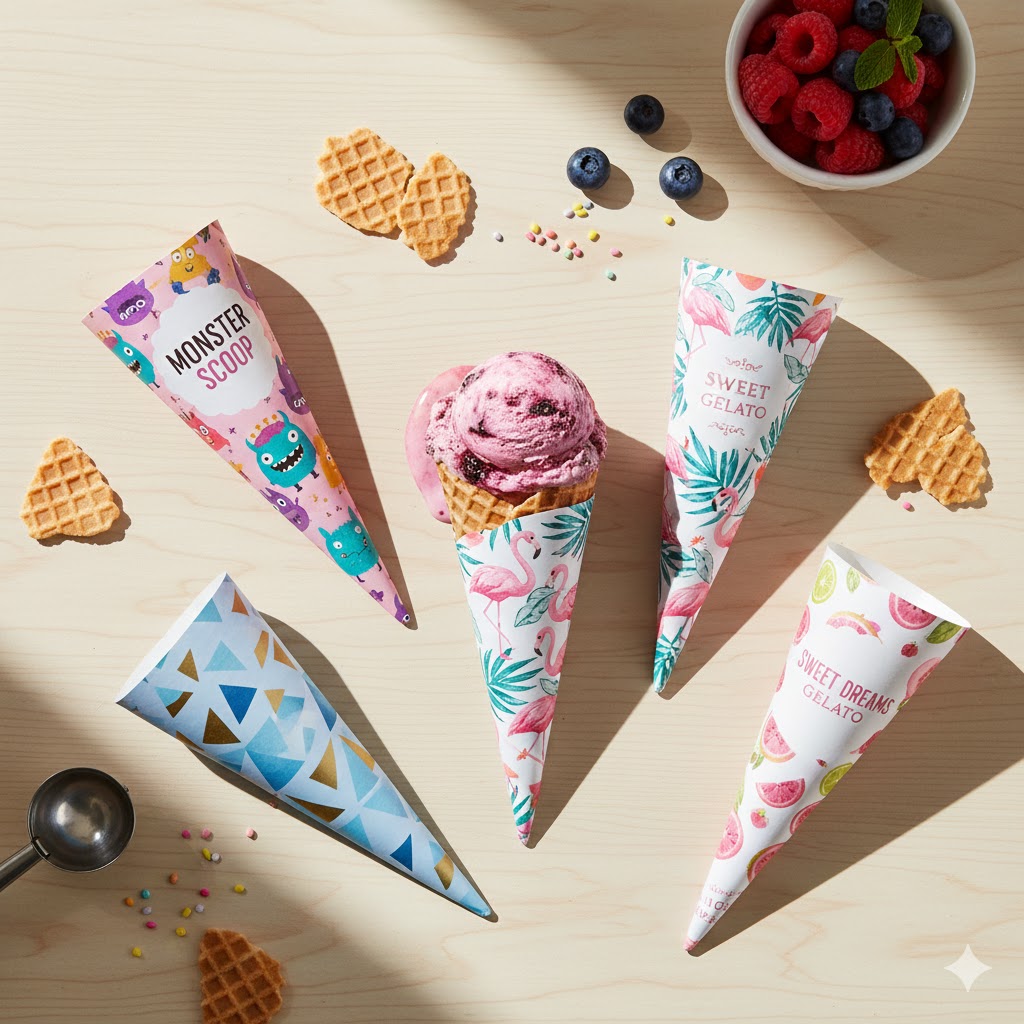
Takeaway desserts often arrive after leaving the kitchen, and keeping desserts fresh can be a challenge. Desserts like cupcakes, pastries, and puddings can lose texture, melt, or become soggy without protection. Using food holders prevents these problems by creating a barrier against heat, moisture, and air. A bakery in Canada noticed cupcakes wrapped with holders stayed moist for hours, which improved customer satisfaction. Desserts that maintain texture make the takeaway experience enjoyable for customers and encourage repeat orders. Soft items like mousse or layered desserts can change if the temperature varies.
How Do Food Holders Affect Dessert Presentation?
Presentation matters for takeaway desserts. When desserts arrive looking messy, the experience suffers. Food holders maintain appearance. They keep frosting from smudging and chocolate from melting into the base. An ice cream shop in Canada started using wraps for desserts and noticed customers posted photos online because desserts arrived in order. Keeping layers aligned or toppings in place makes a difference in perception. Presentation affects how customers enjoy desserts visually and psychologically. Without holders, soft desserts like tarts or puddings lose shape and structure. Proper holders ensure desserts are ready for immediate enjoyment. Even thin wraps prevent items from sticking or melting.
Can Dessert Holders Improve Portion Control?
Portion control matters for deliveries and restaurants. Using dessert holders lets bakeries define servings and prevent overfilling or under-serving. A café that used uniform holders for cookies noticed consistent customer experience. Desserts looked neat, and customers appreciated servings. Portion control reduces waste because owners prepare the right quantity without guessing. Customers receive consistent servings. Holders separate multiple items in one order, preventing mixing of flavors. Even for assorted desserts, individual holders provide neat servings. Proper portioning adds to visual appeal and satisfaction during takeaway.
Why Do Some Desserts Need Protection?
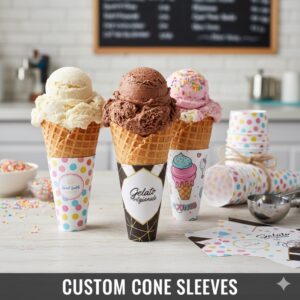
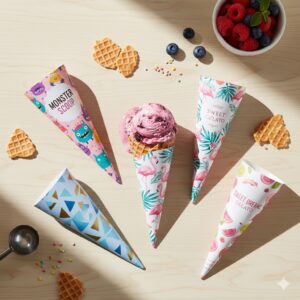
Some desserts are sensitive to handling and temperature. Soft mousses, ice cream treats, and puddings require protection. Food holders act as a barrier against temperature changes and damage. An ice cream shop started using ice cream cone jackets to protect cones during delivery, which prevented melting.
Some desserts stick to surfaces, lose shape, or leak syrup. Holders maintain integrity during transport. Holders also make handling easier for staff and delivery partners. Protection ensures desserts reach customers as intended, preserving taste and structure. Small wraps prevent messes and maintain flavor.
How Can Holders Improve Safety During Delivery?
Transporting desserts can be risky without holders. Spills, leaks, or collapse create problems. Food holders reduce accidents. Restaurants using holders for puddings and creamy desserts reported fewer spills and cleaner deliveries. Holders provide stability, preventing accidents and protecting hands from hot or sticky items. Holders make takeaway safer for staff and customers. Reducing risk improves delivery, decreases complaints, and ensures reliable service. Safety affects repeat orders and trust.
Can Dessert Holders Influence Customer Perception?
Customers notice details. Well-presented desserts show care, quality, and order. Holders show businesses value customers. A café offering muffins in neat wraps received positive online mentions because desserts arrived intact. People judge quality from appearance, and wrapped desserts give a sense of proper service. Holders signal professionalism and reliability. Small touches like neat folds create a polished experience for customers.
Why Do Some Businesses Prefer Custom Wrapping?
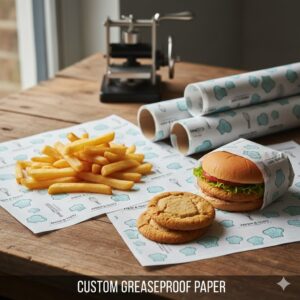
Custom wraps let businesses fit dessert types and improve handling. A café or bakery can use wraps that hold desserts without slipping. Custom food packaging gives control over material and size to fit each dessert. A shop in Boston started using custom wraps and noticed freshness and customer recognition improved. Customers appreciated practical touches, like easy-to-hold wraps for muffins and cookies. Custom wraps fit different dessert sizes or types. Proper wraps balance protection and convenience, improving delivery and customer experience.
How Do Wrappers Support Special Desserts?
Special desserts often have fragile toppings or unusual shapes. Wrappers provide support during transport. A seasonal pie with sugar topping benefits from holders that prevent damage. Wrapping keeps layers intact and shapes correct. Providers like WaxPapersHub offer guidance on popular options.
Even chocolate or gelatin desserts arrive without breaking. Wrappers make handling easier. Businesses that focus on special desserts can provide consistent quality using holders. By using holders, shops can offer desserts without damage, even during busy periods.
Can Wrapping Encourage Reuse and Sustainability?
Customers value wrapping that protects desserts and supports sustainability. Reusable or biodegradable wraps reduce waste. A dessert shop asked customers to return clean wrappers for reuse. This reduced trash and encouraged reuse. Sustainable wrappers do not affect function but add value to the takeaway experience. Minor changes, like using wax-lined paper or recyclable wraps, show care for freshness and the environment.
How Can Businesses Learn from Feedback on Wrapping?
Feedback helps improve takeaway experience. Businesses can ask customers about handling, freshness, and appearance. Adjustments guide wrap type and material choices. A café learned customers preferred softer wraps for muffins and stronger wraps for cookies. Listening to feedback improves quality, reduces complaints, and creates better experience. Paying attention to feedback ensures desserts arrive fresh and intact.