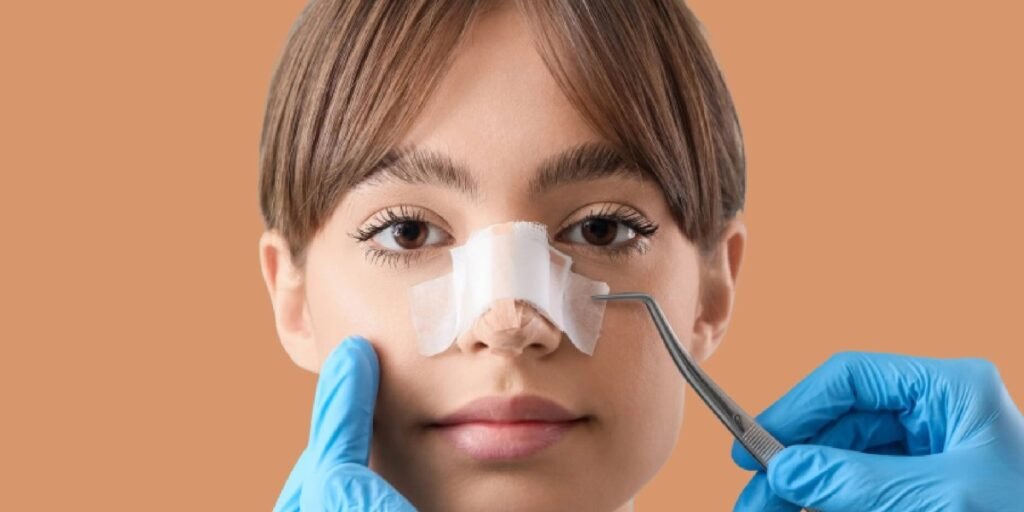
rhinoplasty in dubai
Rhinoplasty is a surgical procedure that reshapes the nose to address aesthetic concerns and, in some cases, improve nasal function. While many patients focus on the immediate appearance of their nose after surgery, understanding the long-term outcome is equally important. Nasal swelling, tissue healing, skin characteristics, and changes in facial structure over time can all influence the final appearance. Patients researching the Best Doctors in Dubai should therefore consider not only the surgical technique but also the planning, recovery guidance, and follow-up care that support lasting results.
The nose plays a central role in facial harmony. Changes to the nasal bridge, tip, nostrils, or overall proportions can influence how the entire face looks. A successful treatment plan should consider the patient’s natural anatomy and personal goals rather than aim for a standard nose shape.
At Perfect Doctors Clinic, patients can discuss their aesthetic concerns, nasal structure, and expectations during a consultation. Understanding the procedure, possible limitations, recovery process, and long-term considerations can help individuals make informed decisions about Rhinoplasty in Dubai.
Understanding Rhinoplasty in Dubai for Long-Term Results
Rhinoplasty in Dubai involves reshaping selected parts of the nasal framework according to a patient’s anatomy and treatment goals. The procedure may address a prominent bridge, a wide nasal tip, nostril shape, asymmetry, or other structural concerns. Some patients also require assessment of internal nasal structures when breathing difficulties are present.
Long-term results depend on several factors. The original nasal structure, surgical approach, skin thickness, cartilage strength, healing response, and postoperative care can all influence the outcome.
Rhinoplasty should not be viewed as a procedure that produces its final appearance immediately. Swelling changes gradually, and subtle refinements may take many months to become visible. Understanding this timeline helps patients maintain realistic expectations throughout recovery.
Why Long-Term Planning Matters
Long-term planning is important because the nose must maintain both its appearance and structural support. Excessive removal of cartilage or bone can affect stability and may contribute to functional concerns.
A carefully planned procedure considers:
- The patient’s natural facial proportions.
- The strength and shape of nasal cartilage.
- The structure of the nasal bridge.
- The projection and support of the nasal tip.
- Skin thickness and healing characteristics.
- Existing breathing difficulties.
- The patient’s expectations for long-term appearance.
The objective is to create appropriate changes while preserving the structures needed for nasal stability and function.
How the Best Doctors in Dubai Approach Long-Term Rhinoplasty Planning
Patients researching the Best Doctors in Dubai should understand that rhinoplasty requires an individualized assessment before surgery. A consultation should include a discussion of aesthetic concerns, medical history, previous nasal procedures, breathing symptoms, and expectations.
The doctor may assess the nose from the front, side, and angled views to understand its proportions. Internal examination may also be necessary when the patient reports nasal obstruction or other functional concerns.
Long-term planning should address more than the appearance immediately after surgery. Patients should understand how swelling may change, what limitations may remain, and how the nasal structure is expected to heal.
Evaluating Nasal Anatomy and Facial Proportions
The nasal bridge, tip, nostrils, and overall projection contribute to the appearance of the face. Adjusting one area can affect how the other features appear.
For example, reducing a prominent bridge may change the side profile, while refining the tip may influence the appearance of the nose from the front. The amount of adjustment should be considered in relation to the forehead, cheeks, lips, and chin.
The surgeon should also assess whether the desired changes are appropriate for the patient’s cartilage structure and skin characteristics. Not every aesthetic preference can be achieved safely or predictably.
Establishing Realistic Expectations
Patients should explain what they want to improve and ask which changes are realistic. Reference photographs may help communicate preferences, but they should not be treated as guaranteed outcomes.
The final appearance will depend on individual anatomy and healing. A realistic discussion before surgery can help patients understand the likely outcome and avoid expecting an identical result to someone else’s photograph.
Choosing a Rhinoplasty Clinic in Dubai for Ongoing Care
Selecting a suitable Rhinoplasty clinic in Dubai involves considering the consultation process, surgical arrangements, communication, and postoperative support. Long-term results are influenced not only by the operation but also by the patient’s understanding of recovery instructions and follow-up requirements.
At Perfect Doctors Clinic, patients can discuss their treatment goals and learn about the considerations involved in rhinoplasty planning. A consultation can help clarify which changes may be suitable and what patients should expect during the healing process.
Before proceeding, patients should consider:
- The treating professional’s qualifications and relevant surgical experience.
- Whether the consultation includes a detailed nasal assessment.
- How clearly the proposed procedure is explained.
- Whether potential risks and limitations are discussed.
- The availability of appropriate surgical and anaesthesia arrangements.
- The postoperative review schedule.
- The instructions provided for recovery and nasal protection.
- Transparent information about the total treatment cost.
Patients should avoid relying solely on advertisements, rankings, or claims of guaranteed results. A clear treatment plan and appropriate professional assessment are more useful when making a surgical decision.
Best Plastic Surgeons in Dubai: What to Consider for Lasting Results
Researching the Best Plastic surgeons in Dubai can help patients understand what to look for when considering an aesthetic procedure. However, online rankings and promotional photographs should not replace a careful evaluation of qualifications, relevant experience, and consultation quality.
Rhinoplasty requires an understanding of nasal anatomy, cartilage support, skin characteristics, and the relationship between appearance and breathing. Patients should ask about experience with the specific changes they are considering, whether they involve bridge refinement, tip reshaping, nostril adjustment, or revision surgery.
A useful consultation should explain how the proposed procedure may affect the nasal structure over time. Patients should also understand the potential limitations and whether additional functional concerns require assessment.
Questions to Ask Before Rhinoplasty
Preparing questions can help patients make the most of their consultation. Consider asking:
- Which nasal features can be changed in my case?
- How will the procedure maintain nasal structural support?
- Which surgical technique may be appropriate?
- How long will swelling take to settle?
- When can the long-term appearance be assessed?
- What complications should I understand?
- How will breathing function be considered?
- What follow-up care will be required?
- What is included in the total treatment estimate?
- What should I do if I have concerns during recovery?
Patients should feel comfortable asking for explanations and taking time to consider the information before deciding.
Rhinoplasty Surgery: Understanding the Procedure
Rhinoplasty surgery involves reshaping selected parts of the nasal framework to achieve the planned appearance or address certain structural concerns. Depending on the patient’s needs, the procedure may involve modifying bone, cartilage, or soft tissue.
The exact approach depends on nasal anatomy, the extent of reshaping, and the surgeon’s assessment. Two commonly discussed techniques are open and closed rhinoplasty.
Open Rhinoplasty
Open rhinoplasty involves a small incision across the columella, the tissue separating the nostrils, along with incisions inside the nose. This approach allows the surgeon to view the underlying nasal framework more directly.
It may be considered when detailed structural adjustments are required. The suitability of this technique depends on the planned changes and individual anatomy.
Closed Rhinoplasty
Closed rhinoplasty uses incisions placed inside the nostrils. It does not involve an external incision across the columella.
This approach may be suitable for selected cases where the required changes can be performed through internal access. It is not automatically better or worse than open rhinoplasty. The choice depends on the treatment objectives.
Maintaining Nasal Support
Long-term stability is an important consideration during rhinoplasty. The nasal framework needs sufficient support to maintain its shape and function.
The surgical plan should consider the cartilage, bridge, and tip support. Excessive alteration may affect the structure, so the extent of reshaping should be carefully evaluated.
Rhinoplasty Treatment Options for Different Nasal Concerns
Understanding Rhinoplasty treatment options helps patients recognize that the procedure can address different concerns depending on their anatomy and expectations. Not every patient requires the same combination of changes.
Nasal Bridge Refinement
A prominent or uneven nasal bridge can affect the side profile. Selected surgical techniques may adjust the underlying bone or cartilage to create a smoother appearance.
The amount of refinement should be planned in relation to other facial features. Excessive reduction may affect nasal support and may not produce a balanced result.
Nasal Tip Reshaping
The nasal tip influences the appearance of the nose from both the front and side. Patients may request changes to its projection, rotation, definition, or width.
Cartilage strength and skin thickness are important considerations. The final definition may become clearer as swelling improves, and the tip can take longer to settle than other areas.
Nostril Shape and Width Adjustment
Some patients are concerned about nostril width or unevenness. Selected procedures may adjust the nostril shape when clinically appropriate.
The goal should be proportionate refinement while preserving natural appearance and breathing function. Excessive narrowing should be avoided.
Correction of Nasal Asymmetry
Asymmetry may involve the bridge, tip, nostrils, or overall alignment. Rhinoplasty may improve selected irregularities, but perfect symmetry cannot be guaranteed.
Patients should discuss which differences can reasonably be addressed and which may remain because of natural facial structure.
Functional and Cosmetic Rhinoplasty
Some patients have aesthetic concerns as well as breathing difficulties. In these cases, internal nasal structures may require assessment alongside external appearance.
A deviated septum or another structural issue may need separate treatment planning. Patients should ask whether functional correction is appropriate and whether it can be performed with the planned rhinoplasty.
Rhinoplasty Before and After: Understanding the Healing Timeline
Rhinoplasty before and after photographs can help patients understand possible changes in nasal appearance. They may show refinements to the bridge, tip, nostrils, or overall profile.
However, before-and-after images should be considered examples rather than promises. Every patient has different anatomy, skin characteristics, surgical needs, and healing patterns.
When reviewing photographs, patients should consider:
- Whether the examples involve similar nasal concerns.
- Whether front, side, and angled views are available.
- How long after surgery the final photographs were taken.
- Whether the changes appear proportionate to the face.
- Whether the examples show primary or revision surgery.
It is also important to understand that early photographs may show swelling rather than the final appearance. Patients should ask when their own progress can be assessed meaningfully.
Rhinoplasty Results: Factors That Influence Long-Term Appearance
Rhinoplasty results depend on several factors, including the original nasal structure, surgical technique, skin thickness, cartilage strength, healing response, and postoperative care.
Skin Thickness and Tissue Characteristics
Skin thickness can influence how clearly the underlying nasal framework appears after surgery. Thicker skin may take longer to settle around the reshaped structure, while thinner skin may reveal minor irregularities more visibly.
The surgeon should consider these characteristics when discussing the expected level of refinement.
Cartilage Strength and Structural Support
Cartilage provides important support to the nose, especially around the tip. Its strength and shape influence how the nose can be reshaped and how stable the result may be.
A treatment plan should preserve or establish appropriate support. Patients should ask how structural stability will be considered during surgery.
Healing and Swelling
Swelling is a normal part of recovery. It may make the nose appear wider or less defined during the early stages. As swelling improves, the shape becomes clearer.
The nasal tip may retain subtle swelling longer than other areas. This is one reason long-term assessment should not be based on the first few weeks after surgery.
Natural Ageing and Facial Changes
Rhinoplasty creates long-term structural changes, but the face continues to age naturally. Skin, soft tissue, and facial proportions may change over time.
Patients should understand that surgery does not stop the natural ageing process. Maintaining realistic expectations is important when considering long-term appearance.
Rhinoplasty Recovery: Supporting Long-Term Results
Rhinoplasty recovery is an essential part of the treatment journey. Following postoperative instructions can help protect the nose while healing takes place. The recovery timeline varies according to the surgical approach and individual circumstances.
The First Few Days After Surgery
During the initial period, patients may experience swelling, bruising, congestion, and mild discomfort. A splint or dressing may be used to protect and support the nose.
Patients should rest as advised, follow medication instructions, and avoid pressure on the nose. Sleeping position and nasal care should follow the treating team’s guidance.
The First Few Weeks
Swelling and bruising generally begin to improve over the following weeks. Patients may gradually return to routine activities when medically cleared.
Strenuous exercise, contact sports, heavy lifting, and activities that could cause accidental impact to the nose should be avoided until the surgeon confirms they are safe.
Follow-up appointments allow the medical team to monitor healing and address concerns.
Long-Term Recovery
Subtle swelling may remain for several months, particularly around the nasal tip. The final appearance may continue developing for a year or sometimes longer.
Patients should attend scheduled reviews and avoid judging the result too early. Any unusual symptoms, such as heavy bleeding, worsening pain, fever, or significant breathing difficulty, should be reported promptly.
Rhinoplasty Cost in Dubai: Planning Your Treatment Budget
Understanding Rhinoplasty cost in Dubai is an important part of preparing for surgery. The total price may vary according to the complexity of the procedure, surgical technique, anaesthesia, facility charges, and postoperative care.
Factors that may influence the estimate include:
- Whether the procedure is primary or revision rhinoplasty.
- The amount of reshaping required.
- Whether functional nasal correction is also planned.
- The type of anaesthesia and surgical facility.
- Preoperative consultations and investigations.
- Postoperative appointments and care arrangements.
Patients should request a detailed estimate and clarify which services are included. Some quotations may include consultations and follow-up appointments, while others may list certain services separately.
A lower price does not automatically represent better value. Patients should consider professional qualifications, relevant experience, surgical planning, safety arrangements, and postoperative support when evaluating treatment options.
Best Rhinoplasty Doctors in Dubai: The Importance of Follow-Up Care
People researching the Best Rhinoplasty Doctors in dubai should consider how follow-up care is incorporated into the treatment process. Monitoring recovery allows the medical team to assess swelling, healing, nasal structure, and any concerns that may arise.
At Perfect Doctors Clinic, patients can discuss their aesthetic goals and learn about the considerations involved in rhinoplasty planning. Dr perfect celebrity may be referenced in relation to the clinic’s rhinoplasty consultation and treatment discussions. Patients should confirm the treating professional’s qualifications, relevant experience, and role in their care before proceeding.
The phrase Best rhinoplasty surgeons in Dubai is often used by patients comparing surgical options. However, online rankings alone cannot determine whether a particular surgeon or treatment plan is appropriate for an individual. Anyone researching the Best rhinoplasty surgeon in Dubai should ask about relevant experience, surgical methods, risks, and postoperative arrangements.
Follow-up care should also include clear instructions about when to seek medical advice and how to protect the nose during healing.
Rhinoplasty Procedures in Dubai: Preparing for Surgery and Recovery
Rhinoplasty procedures in Dubai generally involve consultation, examination, medical history review, and preoperative assessment before surgery is arranged.
Preparation may include:
- Sharing complete medical history and previous nasal surgery details.
- Informing the doctor about allergies and current medication.
- Completing recommended medical investigations.
- Following instructions about food and drink before anaesthesia.
- Discussing any new health concerns before surgery.
- Arranging transport and support for the initial recovery period.
Patients should not stop prescribed medication or start supplements without professional advice.
Preparing Your Home for Recovery
A comfortable recovery environment can make the initial healing period easier. Patients may prepare a suitable resting area, keep essential items nearby, and arrange help with routine responsibilities if needed.
Follow instructions about sleeping position, nasal protection, medication, and cleaning. Avoid activities that could put pressure on the nose or increase the risk of injury.
Can Rhinoplasty Results Change Over Time?
Rhinoplasty produces structural changes that are intended to be long-lasting, but the appearance of the nose can continue to evolve. Early swelling gradually decreases, scar tissue matures, and soft tissues settle around the reshaped framework.
Natural ageing can also influence facial appearance. Changes in skin elasticity and soft tissue may affect how the nose looks over the years.
In some cases, patients may notice concerns related to healing, asymmetry, or breathing after surgery. These issues should be assessed by a qualified medical professional rather than addressed through self-treatment.
Revision rhinoplasty may be considered in selected cases, but it involves additional complexity and should not be assumed to be necessary or appropriate. Patients should discuss concerns during follow-up and allow sufficient time for healing before evaluating the need for further treatment.
Who May Be Suitable for Rhinoplasty?
Rhinoplasty may be considered by adults who have specific aesthetic concerns or selected structural nasal problems. Suitability depends on general health, physical development, nasal anatomy, medical history, and realistic expectations.
A consultation can help determine whether the requested changes are achievable and whether surgery is an appropriate option. Patients should be prepared to discuss their reasons for seeking treatment and understand the limitations of the procedure.
Rhinoplasty is a significant operation with potential risks, including bleeding, infection, scarring, asymmetry, breathing difficulties, changes in sensation, dissatisfaction with appearance, and the possibility of revision surgery.
A complete discussion of risks and alternatives is essential before giving consent.
Why Choose Perfect Doctors Clinic for Rhinoplasty Planning?
Choosing a Rhinoplasty clinic in Dubai should involve careful consideration of consultation quality, treatment planning, communication, and postoperative guidance.
At Perfect Doctors Clinic, patients can discuss nasal appearance, facial proportions, and possible functional concerns. A consultation provides an opportunity to understand the available approaches, expected recovery, potential limitations, and details of the proposed treatment plan.
Patients should confirm the treating professional’s qualifications and role, ask questions about the procedure, and review the information provided before scheduling surgery. Understanding the full treatment journey is an important part of making an informed decision.
Conclusion
Choosing among the Best Doctors in Dubai for rhinoplasty involves more than focusing on the immediate appearance of the nose. Long-term results depend on careful planning, appropriate surgical techniques, nasal structural support, individual healing, and postoperative care.
Understanding Rhinoplasty Dubai, comparing Rhinoplasty treatment options, reviewing Rhinoplasty cost in Dubai, and preparing for Rhinoplasty recovery can help patients make informed decisions. Patients should prioritize realistic expectations, appropriate professional qualifications, clear communication, and an understanding of potential risks.
At Perfect Doctors Clinic, a consultation can provide an opportunity to discuss individual concerns and learn about possible treatment approaches. Taking time to understand the procedure and its long-term considerations can help patients make a thoughtful decision.
Frequently Asked Questions
1. How long do rhinoplasty results last?
Rhinoplasty creates structural changes that are generally long-lasting. However, the nose continues to age naturally, and individual healing and tissue characteristics can influence its appearance over time.
2. When can I see the final rhinoplasty results?
Initial changes may be visible after the early swelling improves, but subtle swelling can remain for several months. The final appearance may take a year or sometimes longer to settle.
3. What factors influence long-term rhinoplasty results?
Important factors include nasal anatomy, cartilage strength, skin thickness, surgical technique, healing response, and postoperative care. Natural ageing may also influence appearance over time.
4. Can rhinoplasty improve facial balance permanently?
Rhinoplasty can create long-term changes to nasal proportions that may improve facial balance. However, natural ageing and individual tissue changes continue after surgery.
5. How important is recovery care after rhinoplasty?
Recovery care is important because the nose needs time to heal. Following medical instructions, protecting the nose from impact, avoiding strenuous activities until cleared, and attending follow-up appointments support appropriate healing.
6. Does skin thickness affect rhinoplasty results?
Yes. Skin thickness can influence how clearly the underlying nasal framework appears. Thicker skin may take longer to settle, while thinner skin may reveal small irregularities more visibly.
7. What is included in Rhinoplasty cost in Dubai?
The estimate may include surgical fees, anaesthesia, facility charges, preoperative investigations, and postoperative care. Patients should request a detailed breakdown because inclusions vary.
8. Can rhinoplasty be performed for breathing problems?
Rhinoplasty may sometimes be combined with functional nasal procedures when structural concerns affect breathing. A medical assessment is necessary to identify the cause and determine suitable treatment.
9. Can I undergo revision rhinoplasty if I am unhappy with the outcome?
Revision surgery may be considered in selected cases, but it is more complex and requires careful assessment. Patients should allow adequate healing time and discuss concerns with a qualified professional before considering another procedure.
10. How do I prepare for a rhinoplasty consultation?
Prepare your medical history, medication list, details of previous nasal procedures, and notes about your concerns. Write down questions about surgical techniques, risks, expected results, recovery, and costs.