Grease can affect food in many ways, even when not visible. When oils or fats seep into food, they change texture, flavor, and overall appeal. For example, a sandwich can become soft if grease enters the bread, making the food less enjoyable. Even fried foods lose crunch if the grease is not controlled. People often ignore this because grease seems harmless, but grease can make food feel heavy and hard to enjoy.
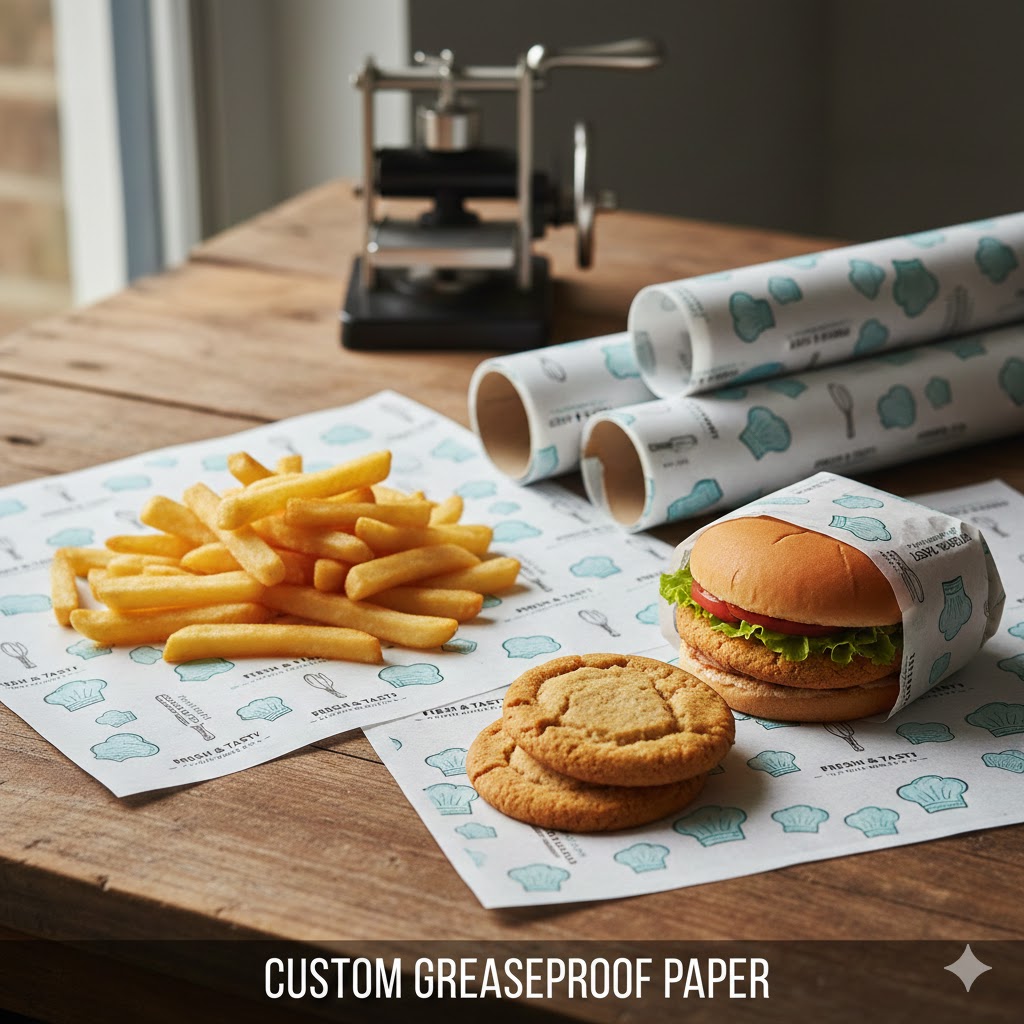
Materials made to block or absorb grease can help. For example, greaseproof paper wholesale works for businesses that want to reduce oil in food. These sheets act as a barrier, keeping food cleaner and better tasting. WaxPapersHub offers materials for businesses to keep food intact and ready to serve.
Why should businesses focus on stopping grease?
Stopping grease is important because grease affects food and customers. When food becomes greasy, presentation suffers, making food less appealing. For fast food, appearance matters. Grease can lead to complaints or negative reviews.
Grease also increases cleaning needs. Plates, utensils, and surfaces get dirty faster, using more water and detergent. Businesses may waste food. Greasy items are often thrown away because taste and texture change.
Focusing on prevention improves food, reduces waste, and keeps customers happy. Using custom paper helps absorb grease while keeping food fresh. Startups benefit from materials that keep food neat and reliable. WaxPapersHub supplies materials that keep food quality high without extra effort.
How does temperature change grease behavior?
Temperature affects how grease moves in food. Hot food releases oil faster. Ingredients can absorb oil quickly. For example, fried items left warm can become soft. Cold foods with fat, like cheese sandwiches, release oils slowly, changing taste and texture.
Controlling temperature in storage and serving helps prevent grease. Using liners or keeping food slightly raised can stop oil from spreading. Even letting fried items cool before wrapping helps.
Temperature control keeps taste and texture intact. Materials like custom food paper resist oil in different temperatures, helping food stay in shape longer. Combining temperature control with proper materials keeps food ready for customers.
How does layering prevent grease?
Layering materials prevents grease from touching food. One layer may not stop all oil, so adding another layer helps. Placing food on a liner and covering it with another sheet keeps surfaces cleaner.
Layering works for hot and cold foods. Fried items, sandwiches, and baked goods stay better. Layering also prevents oil from spreading in transport.
Businesses can try different materials. Using custom printed paper first and covering with other grease-resistant sheets works well. WaxPapersHub has options for layers that help food stay in good condition. Layering keeps food quality high without extra work.
Which foods are prone to grease problems?
Some foods absorb grease faster. Fried items like fries and chicken do. Baked items with cheese or butter also release oil. Foods with oily sauces, like pizza or sandwiches with dressing, are affected.
Knowing which foods are at risk helps businesses prevent problems. Separating oily ingredients from dry ones works. Placing custom paper wholesale under food creates a barrier.
Portion size matters. Overfilled sandwiches or extra sauce increases grease. Identifying foods that are prone helps workers prevent soggy food. Small changes keep taste and appearance intact.
How does presentation change grease perception?
Presentation affects how people see grease. Even if food tastes fine, oil on surfaces looks bad. Customers often think oily food is poorly made. Controlling visible grease improves perception. Lining food or arranging carefully reduces oil appearance.
Custom printed paper absorbs some grease and keeps surfaces neat. WaxPapersHub provides materials that make food look ready to eat while stopping oil from spreading. Small presentation steps with grease control build trust and repeat customers.
Does storage affect grease?
Storage changes how grease moves. Food stored loosely absorbs oil faster. Tight papers trap oil, changing texture.
Good storage separates high-fat food from other items and uses liners to block oil. Raising food slightly from surfaces prevents spoiling.
Temperature affects grease. Cold storage can solidify oil, stopping its spread. Hot storage may let oil move. Using custom paper wholesale under food keeps food clean and ready to eat. Good storage reduces waste and keeps food consistent.
What steps can kitchens take to manage grease?
Kitchens can manage grease with simple habits. Draining fried food, using liners, and controlling portions helps. Cleaning surfaces prevents oil spread.
Staff need training. Knowing which foods absorb oil and how to use materials reduces grease problems. Using custom printed paper protects food after cooking.
Small kitchens benefit from these habits. Materials and consistent practices keep food ready to serve and reduce complaints.
How does transport affect grease?
Transport can spread grease. Shaking or stacking food increases oil transfer, especially for fried or sauce-heavy items.
Using liners, separating items, and keeping food stable prevents oil from touching surfaces. Custom paper wholesale works as a base during transport.
Delivery or catering businesses benefit from these steps. Food stays ready for customers, reducing complaints.
Why are proper materials needed for grease?
Materials like custom paper wholesale and custom printed paper block grease. They absorb oil while keeping food intact.
Good materials stop soggy food and maintain taste. Businesses using proper sheets see fewer complaints and less waste. Small startups can get materials from WaxPapersHub for consistency. Proper materials are an easy way to control grease.
Do customer habits affect grease?
Customer actions can increase grease. Squeezing sauces or removing liners early spreads oil. Providing guidance, like small notes or absorbent sheets, helps. Using custom printed paper adds protection even if customers handle food roughly. Smart materials and small guidance improve experience and reduce oil problems.
How can businesses measure grease control?
Success can be measured by checking food, customer feedback, and waste. Food should stay crisp, taste good, and look ready to eat. Tracking complaints about oil or soggy food shows weak points. Using custom paper wholesale as part of a plan gives consistent results. Regular review keeps food quality high, reduces waste, and improves customer trust.